Working hours:Mon - Sat 8.00 - 18.00
  Call Us:0086-576-83070118
 English
 简体中文
简体中文 Español
 عرب
عرب
 English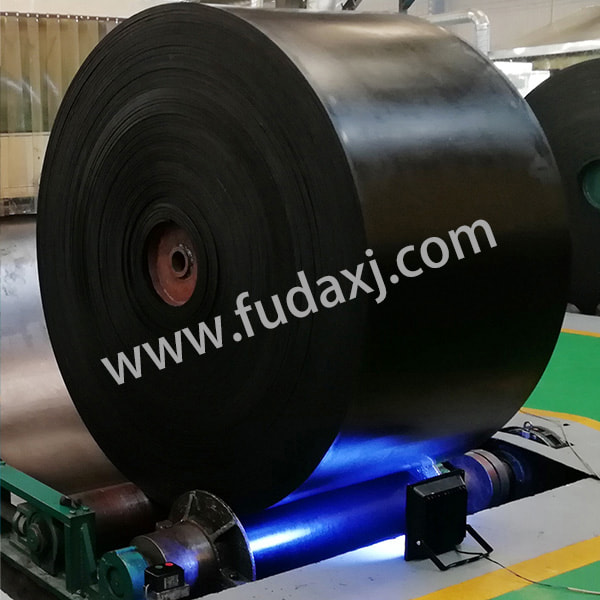
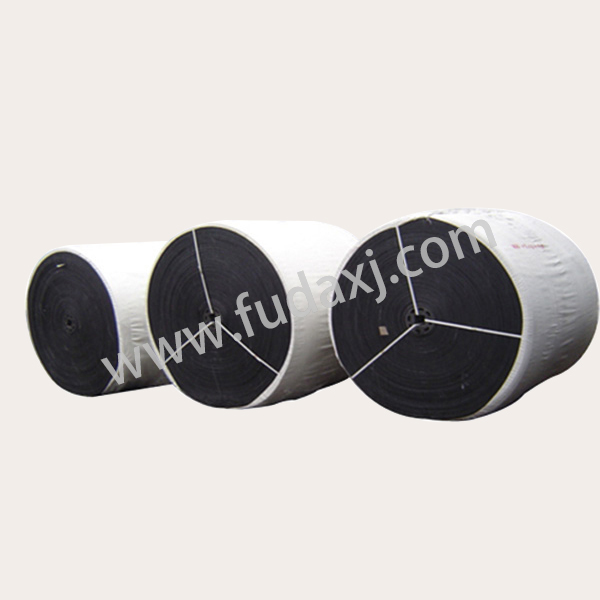
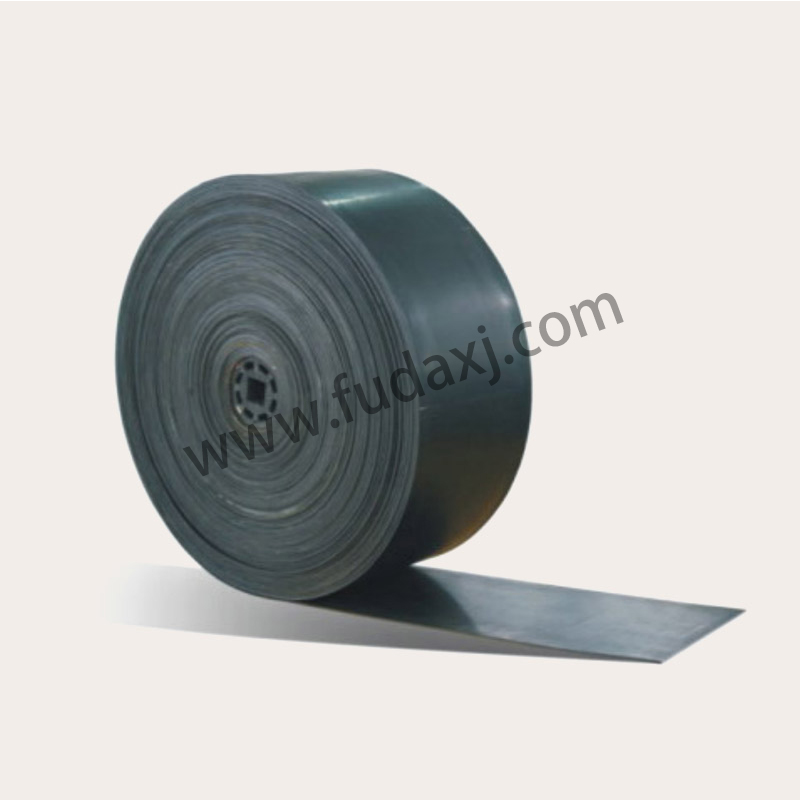
Abrasion conveyor belts support material movement in many industrial settings. These belts carry loads across distances while facing contact with rough substances. Their presence helps keep operations flowing in sectors that move bulk goods on a regular basis. The belts form an important link in processes that require continuous transport of items from one point to another.
Materials in Abrasion Conveyor Belt Construction
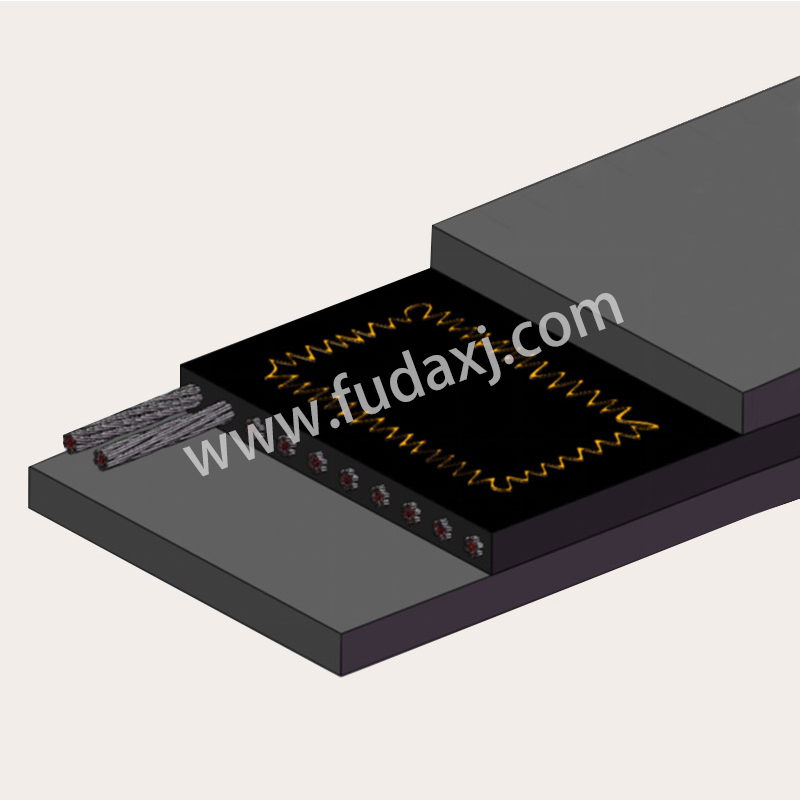
Manufacturers build abrasion conveyor belts using rubber compounds and fabric layers that provide durability during repeated use. The top cover receives special attention to resist wear from sharp or heavy materials passing over it. Reinforcement inside the belt adds strength for carrying loads without stretching excessively.
This layered approach allows the belt to maintain form under steady industrial conditions. The combination of cover and core materials supports consistent performance as materials travel along the conveyor path in factories and processing facilities. Workers select belt types based on the characteristics of the substances they will carry.
Design Aspects of the Abrasion Conveyor Belt
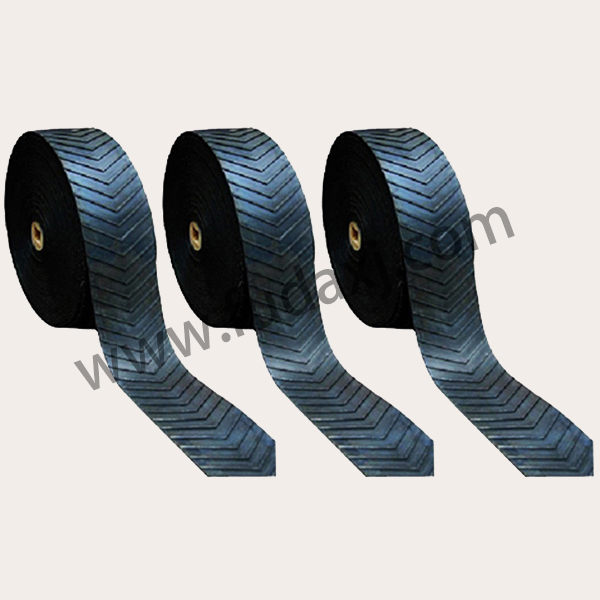
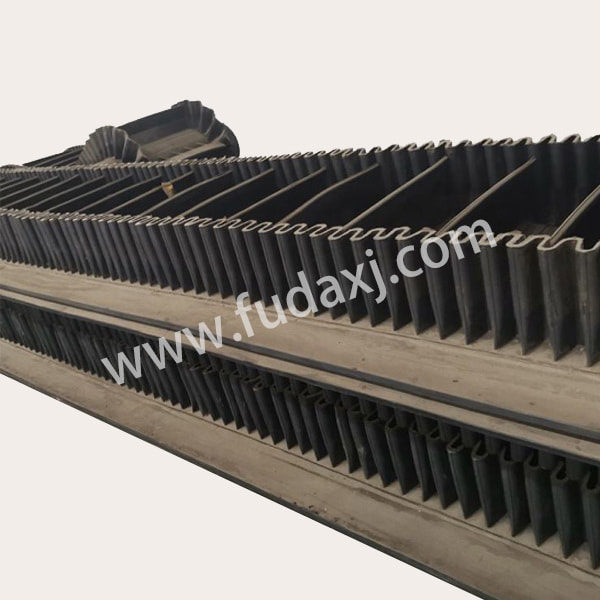
The width and thickness of an abrasion conveyor belt vary according to the needs of specific operations. Patterns on the surface sometimes help with grip on inclines or with certain types of loads. Edge reinforcement protects against side damage during long runs.
These design choices make the belt suitable for integration into existing conveyor systems. The structure supports smooth transitions at transfer points while handling the mechanical stresses of continuous movement in production environments. Different configurations allow facilities to match the belt to their particular layout and volume requirements.
Applications in Material Handling
An abrasion conveyor belt moves items such as aggregates, grains, and packaged goods through different stages of processing. In mining and quarrying, the belt transports extracted materials from one area to another. Manufacturing lines use the belt to carry components between workstations efficiently.
The setup allows for steady flow rates that align with operational pacing. Facilities handling bulk goods rely on the belt to keep materials in motion without frequent interruptions to the process. The conveyor supports various load sizes and helps connect separate stages within larger industrial workflows.
Performance in Industrial Settings
Operations adjust tension and alignment on an abrasion conveyor belt to support even running over extended periods. The belt interacts with rollers and pulleys that guide its path through the system. Regular monitoring helps maintain contact with materials as they advance.
This coordination contributes to reliable transport across shifts in busy facilities. The belt forms part of larger systems that connect different parts of the production or distribution process. Proper setup helps the belt operate smoothly even when handling materials with varying weights and textures.
Integration Into Conveyor Systems
An abrasion conveyor belt connects with other equipment such as feeders, hoppers, and sorting stations in many setups. The belt surface interacts directly with the items being moved while protecting the underlying structure. Support frames and idlers keep the belt tracking properly during operation.
Such integration allows facilities to configure lines according to space and workflow requirements. The belt supports the transfer of materials between indoor and outdoor sections in some locations. This flexibility helps operations adapt the system to changes in production volume or material types over time.
Abrasion conveyor belts play a steady role in keeping industrial material flows active. Their construction and setup support various operations that depend on reliable transport solutions across different sectors. Many facilities incorporate these belts into their daily processes to maintain steady movement of goods and components.
 Tel:0086-576-83070118
 Fax: 0086-576-83019528
 fudaxj@163.com
 Hongshan industrial Zone,Hongchou, Tiantai,zhejiang,317210,China