 Working hours:Mon - Sat 8.00 - 18.00
  Call Us:0086-576-83070118
 English
 简体中文
简体中文 Español
 عرب
عرب
 English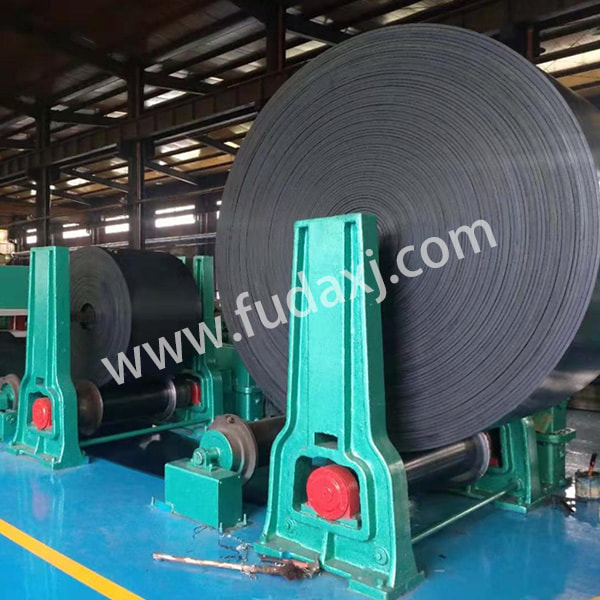
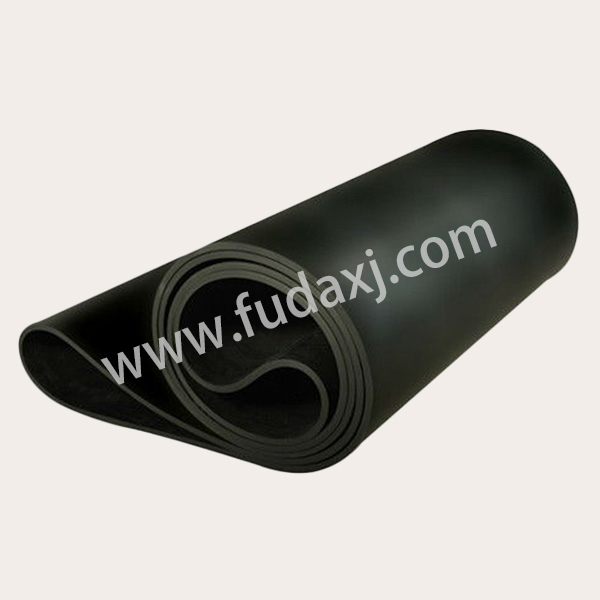
Abrasion conveyor belt is a critical component in industries that move sharp, heavy, or rough materials such as crushed stone, sand, gravel, and recycled glass. Unlike standard conveyor belts that wear down quickly under harsh conditions, an abrasion conveyor belt is engineered with a rubber cover that resists cutting, gouging, and surface wear, extending service life significantly.
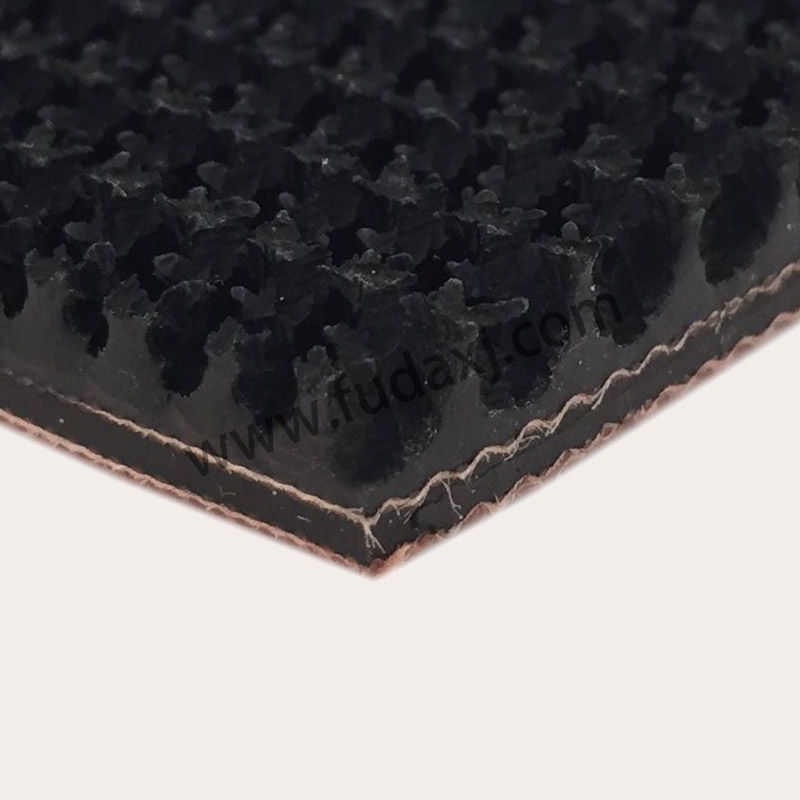
The key feature of an abrasion conveyor belt is its specially formulated rubber cover. Standard conveyor belts use general-purpose rubber that performs adequately for moving packaged goods or clean materials. Abrasion-resistant covers contain higher percentages of natural rubber and reinforcing compounds that give the surface greater resistance to scraping and impact. When sharp rocks slide across the belt or heavy ores drop onto it, the abrasion-resistant cover takes the punishment without deteriorating rapidly.
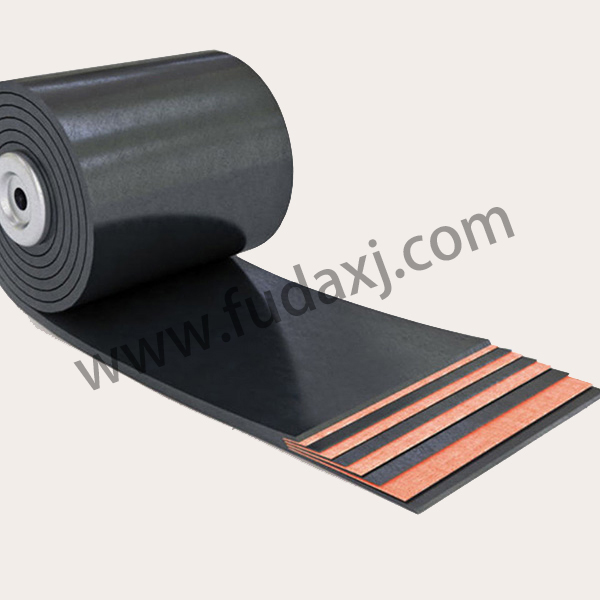
The thickness of the rubber cover matters for durability. An abrasion conveyor belt typically features a top cover thickness of 3 to 6 millimeters, depending on the expected severity of wear. Thicker covers provide more material to wear away before the belt carcass becomes exposed. Some applications use even thicker covers for bad conditions. The bottom cover, which contacts the conveyor rollers, is usually thinner but still made from the same abrasion-resistant compound.
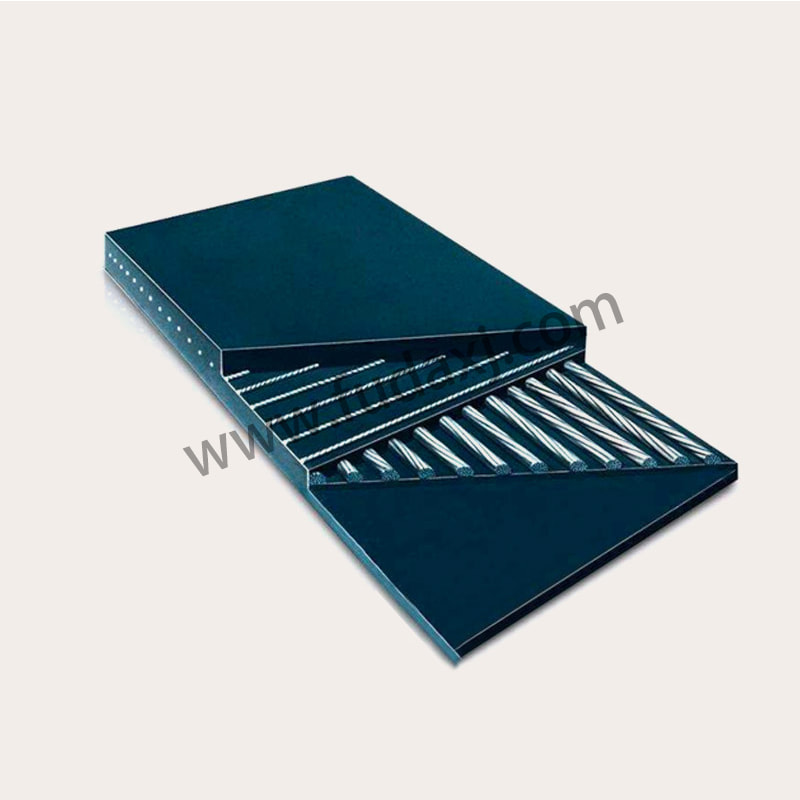
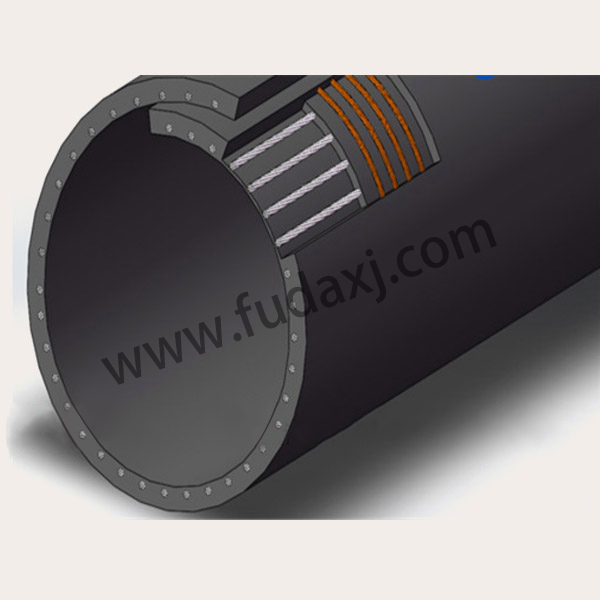
The carcass, or internal reinforcement, of an abrasion conveyor belt must also be robust. Multiple layers of polyester or nylon fabric provide tensile strength to carry heavy loads. Between these fabric layers, rubber skim coats bond the plies together. The combination of a tough carcass and a wear-resistant cover creates a belt that handles both the weight of the material and the abrasive action of its movement.
Applications for abrasion conveyor belts are found in many industries. Quarries use them to transport crushed rock from crushers to screens. Mines rely on them to move ore over long distances. Recycling facilities use them to handle broken glass and shredded metal. Cement plants, steel mills, and foundries all depend on abrasion conveyor belts to keep production moving. In each case, a standard belt would require replacement within weeks or months, while an abrasion belt may last for years.
The cost savings from using an abrasion conveyor belt are substantial. While the initial purchase price is higher than a standard belt, the longer service life reduces replacement frequency. Less downtime for belt changes means more production hours. Fewer belt failures mean less risk of spilled material and workplace accidents. For high-volume operations, the return on investment from upgrading to abrasion-resistant belts is clear.
Proper selection of an abrasion conveyor belt requires matching the belt grade to the material. Medium abrasion resistance suits materials like coal or soft limestone. High abrasion resistance handles granite, basalt, and other hard rocks. bad abrasion resistance is available for materials like taconite or recycled concrete with embedded rebar. A belt that is over-specified costs more than necessary, while an under-specified belt fails prematurely.
For operations that move sharp or heavy materials day after day, the abrasion conveyor belt delivers the durability needed to keep production running. It takes the punishment that would destroy ordinary belts, standing up to rocks, ores, and recycled materials without constant replacement. When the material is hard on equipment, an abrasion conveyor belt is the right tool for the job.
 Tel:0086-576-83070118
 Fax: 0086-576-83019528
 fudaxj@163.com
 Hongshan industrial Zone,Hongchou, Tiantai,zhejiang,317210,China