 Working hours:Mon - Sat 8.00 - 18.00
  Call Us:0086-576-83070118
 English
 简体中文
简体中文 Español
 عرب
عرب
 English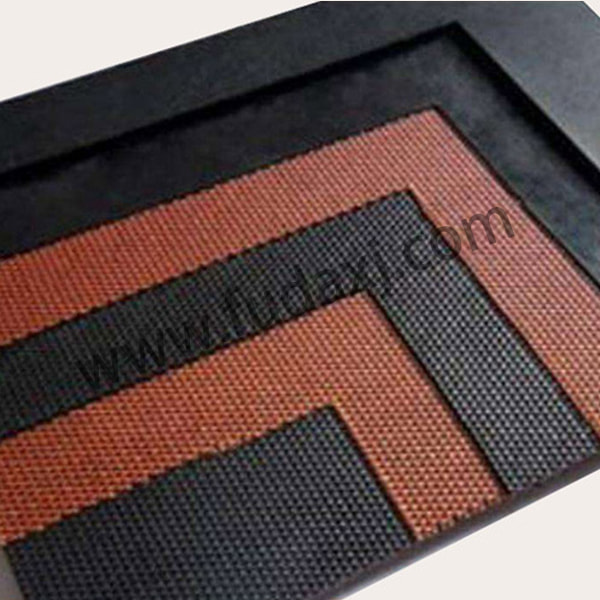
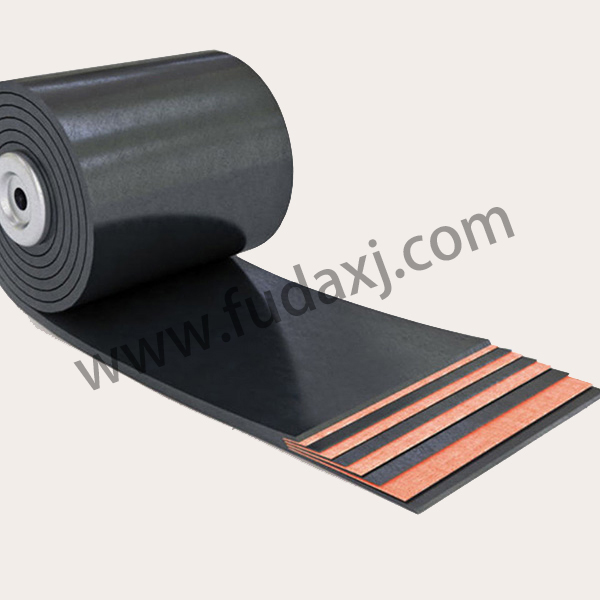
In industries where the conveyed material is sharp, heavy, and highly abrasive—such as mining, quarrying, recycling, and aggregate processing—the lifespan of a standard conveyor belt can be drastically shortened. Addressing this specific challenge is the specialized product category of the Abrasion Conveyor Belt. This type of belt is not defined by its reinforcement (which can be fabric or steel cord) but by the exceptional properties of its top cover rubber. The primary design goal of an Abrasion Conveyor Belt is to resist the cutting, gouging, and wearing action of materials like crushed rock, ore, slag, and demolition waste, thereby big operational uptime and reducing the total cost of ownership associated with frequent belt replacement.
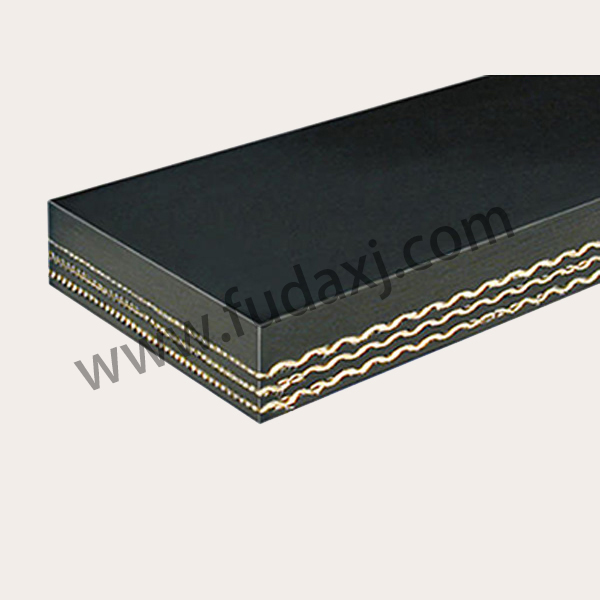
The performance of an Abrasion Conveyor Belt hinges almost entirely on the formulation and application of its top cover rubber. Standard belt covers are quickly compromised by sharp edges and constant friction. In contrast, the cover on an Abrasion Conveyor Belt is compounded using speciality synthetic rubbers, such as highly cross-linked SBR (Styrene-Butadiene Rubber) or other advanced polymers, reinforced with specific types of carbon black and other additives. This creates a rubber matrix that is significantly harder and more resistant to material penetration while maintaining necessary flexibility. The cover is also applied in a greater thickness than on standard belts, providing a deeper sacrificial layer that can wear down over a much longer period before exposing the critical tension-carrying carcass beneath. This thick, tough top cover is the defining shield of the Abrasion Conveyor Belt.
The application environments for an Abrasion Conveyor Belt are among the lots of demanding in material handling. In underground and surface mining, these belts carry run-of-mine coal, metallic ores, and waste rock from shovels and continuous miners. At aggregate plants, they are subjected to the constant flow of crushed granite, limestone, and gravel with sharp, freshly fractured edges. Scrap metal recycling centers use Abrasion Conveyor Belt systems to move fragmented metal, while cement plants employ them to handle clinker and raw mix. In each case, the material possesses properties that act like sandpaper or a cutting tool on the belt surface. Deploying a general-purpose belt in these conditions leads to rapid cover loss, ply damage, and ultimately, belt failure, making the use of a purpose-built Abrasion Conveyor Belt an operational necessity rather than an optional upgrade.
Innovation in Abrasion Conveyor Belt technology is centered on developing next-generation cover materials and integrating wear-monitoring systems. Research is ongoing into nano-particle reinforcements and new polymer blends that can extend service life even further under bad conditions. The development of covers that maintain their abrasion resistance across a wider temperature range is another focus area. Furthermore, the integration of smart technology, such as embedded RFID tags or wear-indicator layers that signal when the top cover has worn to a critical thickness, is gaining interest. This allows for planned, proactive replacement rather than reactive repairs after a breakdown. As industries continue to process harder, more abrasive materials and seek to optimize efficiency, the specialized Abrasion Conveyor Belt will remain a vital investment. It exemplifies how targeted material science can solve a pervasive industrial challenge, protecting the substantial capital investment in conveyor infrastructure and ensuring the continuous flow of materials that drive the global economy.
 Tel:0086-576-83070118
 Fax: 0086-576-83019528
 fudaxj@163.com
 Hongshan industrial Zone,Hongchou, Tiantai,zhejiang,317210,China