 Working hours:Mon - Sat 8.00 - 18.00
 Call Us:0086-576-83070118
 English
 简体中文
 Español
 عرب

 English
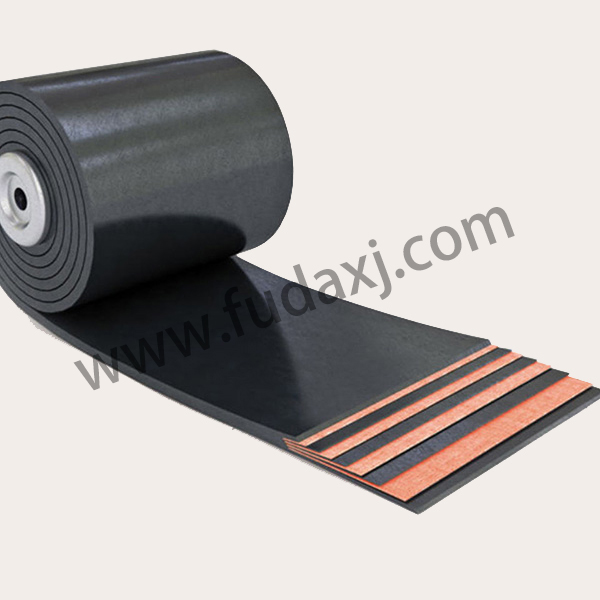
Understanding the Structure of EP Conveyor Belts
Conveyor systems play an important role in moving bulk materials through mining operations, cement plants, ports, power stations, and manufacturing facilities. The belt itself must withstand repeated loading while moving materials between different stages of production. For industrial buyers, selecting an appropriate belt involves understanding its reinforcement structure, tensile strength, operating conditions, and compatibility with the conveying system.
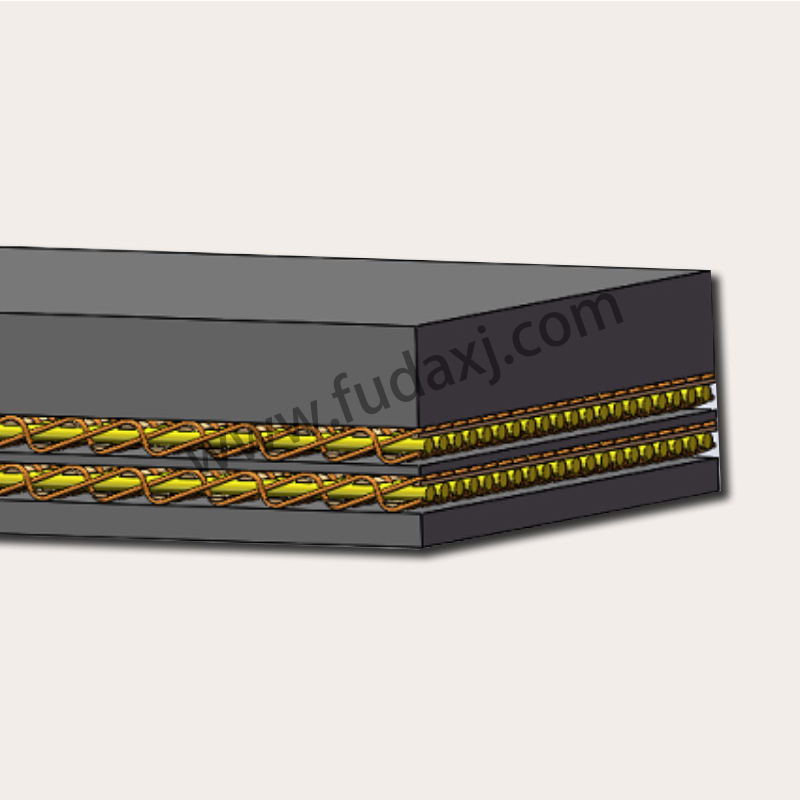
An EP conveyor belt uses a fabric carcass made from polyester in the longitudinal direction and polyamide, commonly known as nylon, in the transverse direction. This combination provides tensile strength along the belt while allowing flexibility across its width. These characteristics make EP fabric belts suitable for many general-purpose material-handling applications.
How EP Fabric Reinforcement Works
The fabric carcass is a central part of the belt's structure. Polyester yarns provide longitudinal tensile strength and help limit elongation under tension. Nylon yarns contribute transverse flexibility and help the belt accommodate bending and loading conditions.
Rubber covers are applied to protect the carcass from contact with transported materials. Cover compounds can be selected according to factors such as abrasion, impact, and the characteristics of the conveyed material.
The performance of an EP conveyor belt depends on the relationship between its fabric layers, rubber covers, and overall construction. Belt thickness, ply count, tensile rating, and cover grade can vary according to the intended application. Buyers should therefore compare complete product specifications rather than relying on the EP designation alone.
Applications Across Industrial Sectors
EP fabric belts are used in a variety of industries where bulk materials need to move continuously between processing stages.
In mining and quarrying, they can transport crushed stone, sand, coal, and mineral materials. Cement plants use conveyor belts to move limestone, clinker, and other production inputs. Ports and logistics facilities may use them to handle bulk cargo, while manufacturing plants rely on conveyors to transfer raw materials or finished goods between workstations.
An EP conveyor belt can also be used in agricultural processing and general material-handling systems, provided the belt specification matches the material and operating conditions.
Each application creates different demands. Sharp-edged materials may require greater resistance to cutting and impact, while fine or abrasive materials place different demands on the belt cover. Understanding these conditions helps buyers identify an appropriate belt construction.
Cover Thickness and Rubber Grade
The rubber covers protect the fabric carcass from wear and external contact. Cover thickness is commonly selected according to the severity of the application and the characteristics of the transported material.
A conveyor handling abrasive stone may require a different cover specification from a system carrying packaged goods or relatively fine materials. Impact conditions at loading points also influence cover selection.
Rubber grades can be designed for different operating needs, including abrasion resistance, heat resistance, or resistance to certain oils. These properties are not interchangeable, so buyers should identify the main exposure conditions before requesting a specification.
For an EP conveyor belt, the cover grade and thickness should be considered together with the fabric carcass. A suitable combination helps the belt meet the mechanical demands of its intended working environment.
Belt Width, Ply Count, and Installation Compatibility
Belt width determines the available carrying surface and must match the conveyor's design. Ply count affects the belt's construction and flexibility, while overall thickness influences its interaction with pulleys, rollers, and joining arrangements.
Before placing an order, buyers should confirm the required belt width, length, tensile rating, cover thickness, and jointing method. Existing equipment drawings and belt specifications can help suppliers assess compatibility.
An EP conveyor belt should also be matched to the loading arrangement and expected material distribution. Uneven loading, unsuitable transfer points, or incorrect belt dimensions can affect how the belt operates within the system.
 Tel:0086-576-83070118
 Fax: 0086-576-83019528
 fudaxj@163.com
 Hongshan industrial Zone,Hongchou, Tiantai,zhejiang,317210,China
