 Working hours:Mon - Sat 8.00 - 18.00
  Call Us:0086-576-83070118
 English
 简体中文
简体中文 Español
 عرب
عرب
 English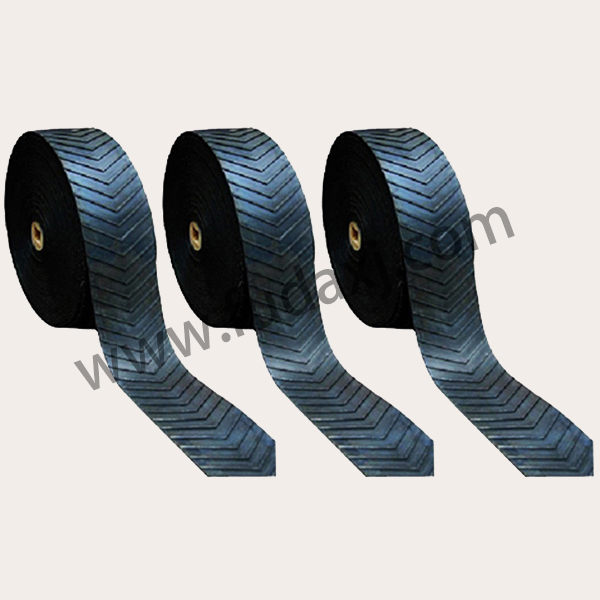
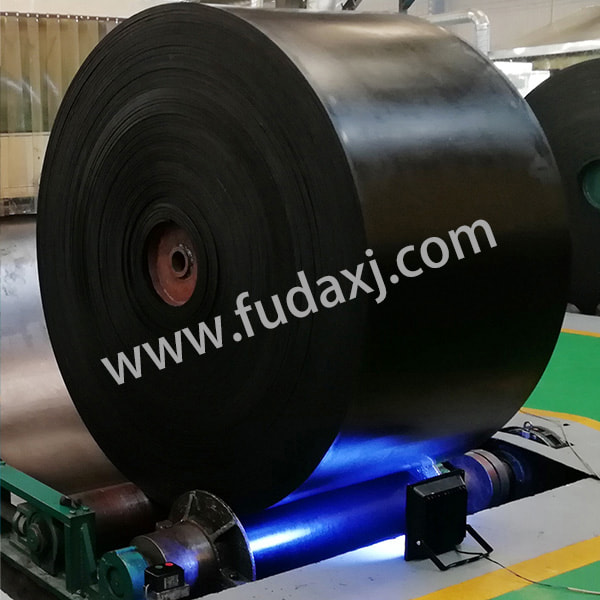
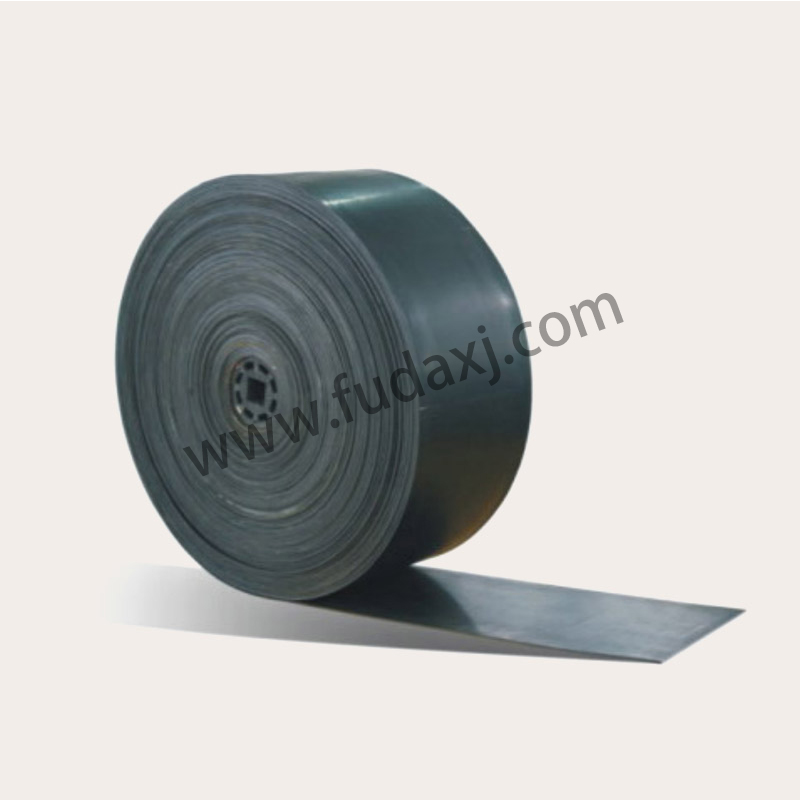
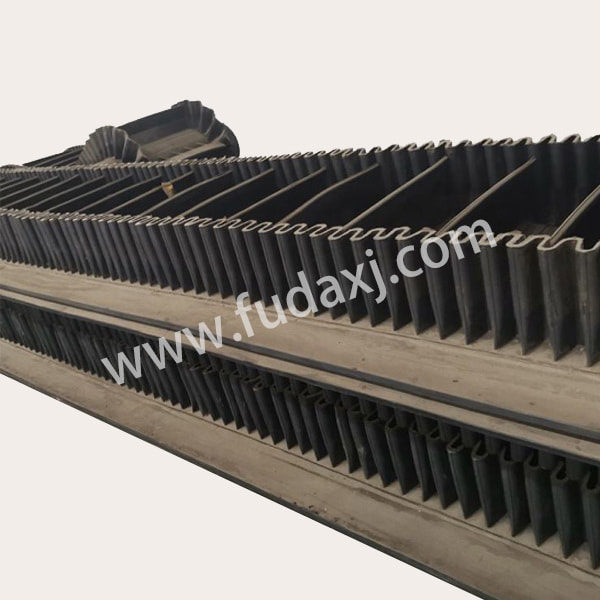
Cement conveyor belt is a specialized type of heavy-duty belting designed to transport abrasive, heavy materials such as clinker, raw meal, and finished cement in manufacturing plants. Unlike general-purpose conveyor belts, a cement conveyor belt must resist cutting, gouging, and abrasion from sharp particles while handling heavy loads over long distances.
The construction of a cement conveyor belt focuses on durability. The top cover, which contacts the cement material, uses a high-abrasion-resistant rubber compound that withstands the scraping action of sharp clinker particles. Typical top cover thickness ranges from 4 to 8 millimeters, providing enough material to wear away over years of service. The bottom cover, which runs over the conveyor idlers, is thinner but still made from a wear-resistant compound. Between the covers, multiple layers of polyester or nylon fabric provide tensile strength to carry heavy loads without stretching.
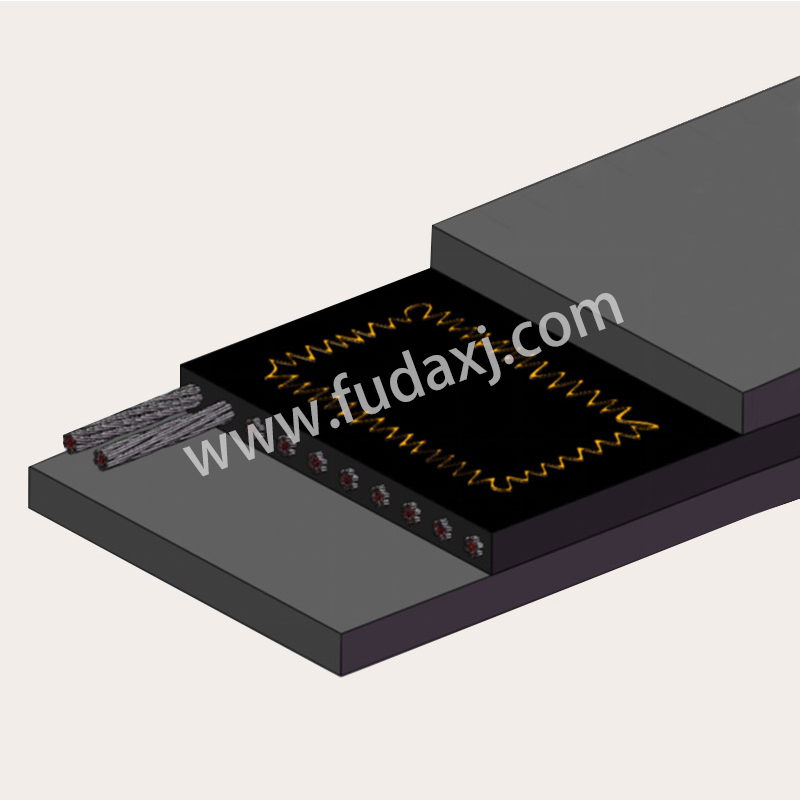
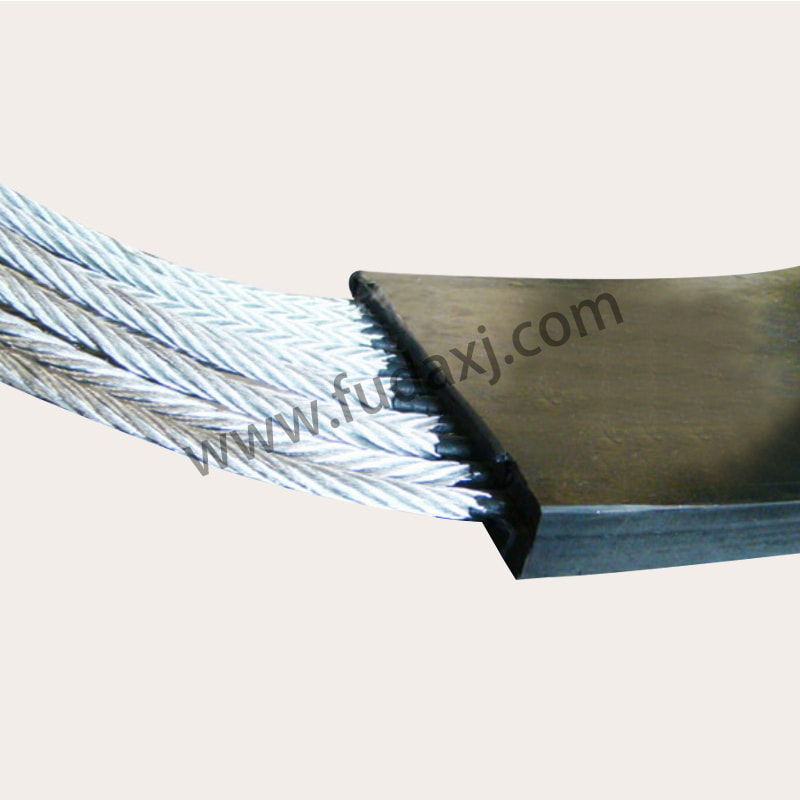
The carcass of a cement conveyor belt must handle high tension. Cement conveyors often run for long distances, from the quarry to the crusher, from the crusher to the storage pile, and from storage to the packing plant. The belt carcass must have enough strength to start and stop fully loaded without breaking. Steel cord belts are used for the longest and heaviest applications, with steel cables running lengthwise through the belt to provide tensile strength far beyond fabric belts. For shorter conveyors, fabric belts with multiple plies provide adequate strength at lower cost.
The edge treatment of a cement conveyor belt affects its lifespan. When cement spills over the edge of the belt, it falls onto the return rollers, where it can cause damage. Many cement conveyor belts feature molded edges that resist fraying and prevent the edge fibers from unraveling. Some belts include edge protection strips made of extra rubber that take the wear from misalignment and spillage. A belt that maintains its edge integrity lasts longer than one that frays and narrows over time.
The splice of a cement conveyor belt must be as strong as the belt itself. Mechanical splices using metal fasteners work for some applications but create a joint that is slightly thicker than the belt. This thickness can cause cleaning issues and may catch on skirting. Vulcanized splices, where the belt ends are heated and pressed together, provide a smooth, continuous surface that matches the belt’s flexibility and strength. For steel cord belts, vulcanized splices are required to maintain the tension rating.
The cleaning system on a cement conveyor belt is essential. Cement dust and particles stick to the belt surface as it passes over the head pulley. Without effective cleaning, material builds up on the return rollers, causing misalignment and belt damage. Primary cleaners scrape the belt just after the discharge point. Secondary cleaners remove any remaining material before the belt passes over the return idlers. Some cement conveyors use air knives or water sprays to clean the belt where mechanical scrapers are not sufficient.
For cement plants that move thousands of tons of material every day, the cement conveyor belt must perform reliably under harsh conditions. It carries sharp, heavy loads, runs over long distances, and operates continuously for years. A well-designed cement conveyor belt, properly installed and maintained, keeps production moving from quarry to packer, day after day, without costly shutdowns for belt replacement.
 Tel:0086-576-83070118
 Fax: 0086-576-83019528
 fudaxj@163.com
 Hongshan industrial Zone,Hongchou, Tiantai,zhejiang,317210,China