 Working hours:Mon - Sat 8.00 - 18.00
  Call Us:0086-576-83070118
 English
 简体中文
简体中文 Español
 عرب
عرب
 English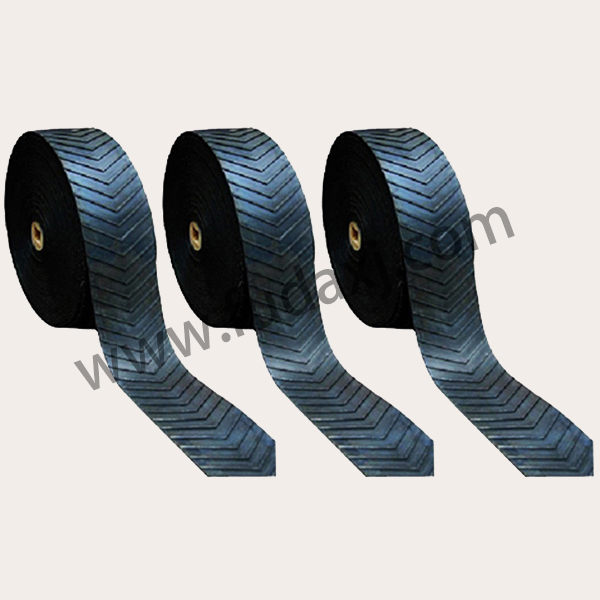
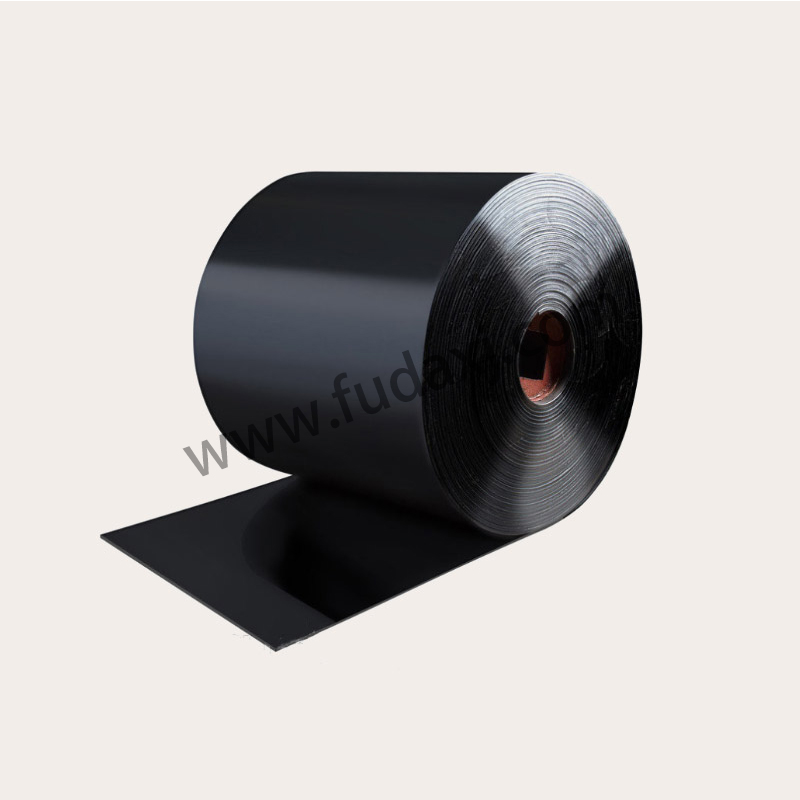
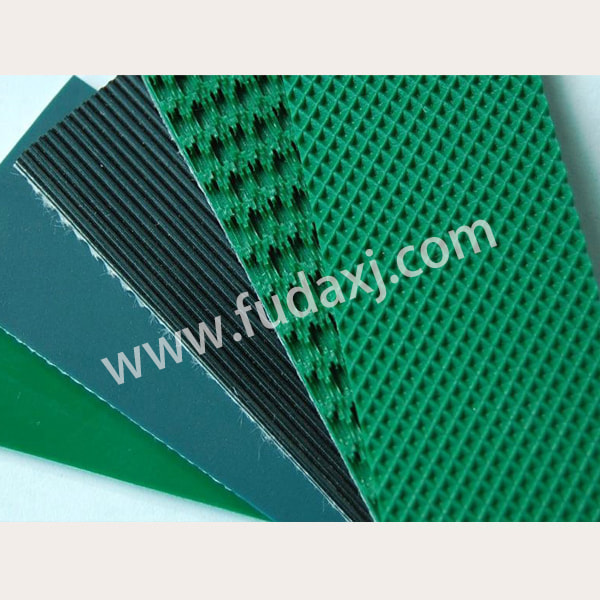
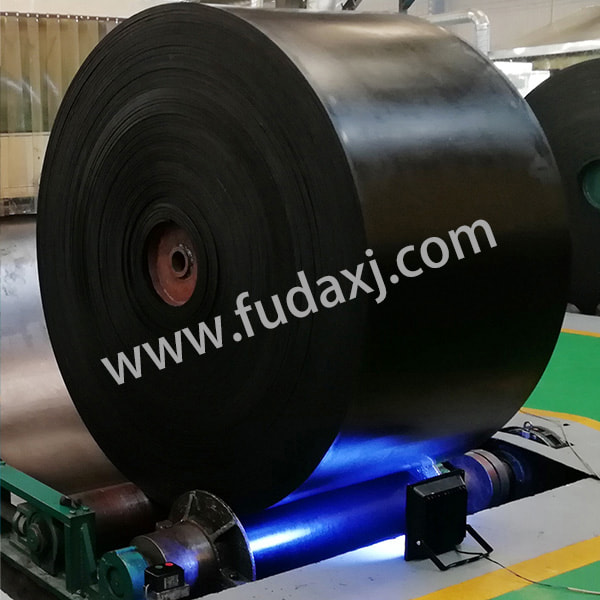
The conveyor belt has become an essential component in material handling systems across many industrial sectors. A conveyor belt is a continuous loop of flexible material that rotates around two or more pulleys, transporting items from one location to another. The basic design of a conveyor belt includes a carrying surface, a drive mechanism, and support rollers that keep the belt flat during operation. A typical conveyor belt is made from rubber, PVC, polyurethane, or fabric materials, selected based on the items being moved and the operating environment. The width of a conveyor belt ranges from 300 millimeters for small package handling to 2 meters or more for bulk material transport. The length of a single conveyor belt system can extend from a few meters in a warehouse to several kilometers in mining operations. The conveyor belt has replaced manual carrying and wheeled carts in many settings, offering continuous movement of goods with less labor input.
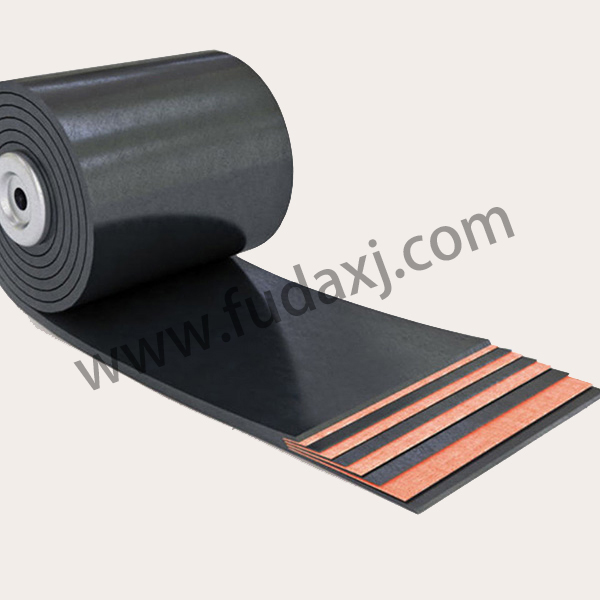
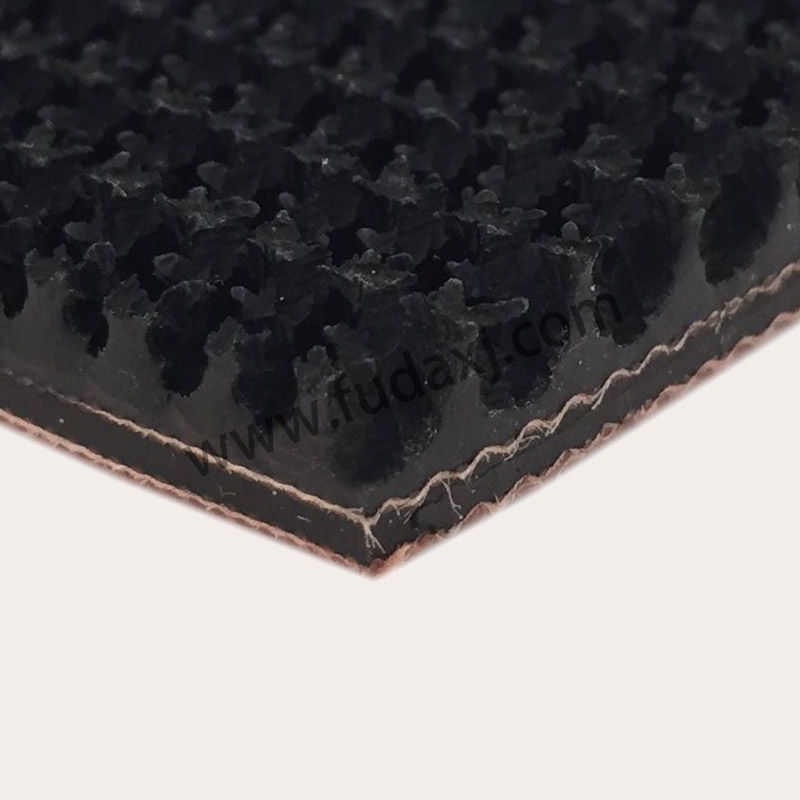
The construction of a conveyor belt involves multiple layers that serve different functions. The top cover of a conveyor belt is the surface that contacts the carried items, providing friction to prevent slipping and resistance to wear from abrasion. The carcass of a conveyor belt consists of fabric or steel cord layers that provide tensile strength and resist stretching under load. Common carcass materials in a conveyor belt include polyester, nylon, and cotton for light to medium applications, with steel cords for high-tension or heavy-load uses. The bottom cover of a conveyor belt protects the carcass from wear against the support rollers and pulleys. Some conveyor belt designs include a cleated or chevron pattern on the top surface, which helps move loose materials up inclined sections without sliding backward. The edges of a conveyor belt may be cut raw or sealed with rubber to prevent moisture penetration and edge fraying.
The drive system of a conveyor belt includes a motor, gearbox, and drive pulley that pulls the belt along its path. The friction between the drive pulley and the underside of the conveyor belt determines how much load the system can move without slipping. A conveyor belt operating on an incline requires higher friction or additional hold-down mechanisms compared to a horizontal system. The tension in a conveyor belt is maintained by a take-up unit, which may be a screw mechanism or a weighted pulley that adjusts for belt stretch over time. The speed of a conveyor belt is typically set between 0.5 and 5 meters per second, depending on the application. A slower conveyor belt is used for manual sorting stations where workers need time to remove or inspect items. A faster conveyor belt suits automated systems where products move continuously between processing machines.
Maintenance of a conveyor belt involves regular inspection of the belt surface, splices, and tracking. A conveyor belt that runs off-center can damage its edges against the frame, so tracking adjustments are made by aligning the pulleys and rollers. The splices in a conveyor belt, where the two ends are joined to form a loop, are checked periodically for separation or wear. Mechanical splices use metal fasteners that clamp the belt ends together, while vulcanized splices use heat and pressure to bond the belt material into a continuous surface. The conveyor belt remains a standard solution for moving goods and bulk materials efficiently across short and long distances within industrial facilities.
 Tel:0086-576-83070118
 Fax: 0086-576-83019528
 fudaxj@163.com
 Hongshan industrial Zone,Hongchou, Tiantai,zhejiang,317210,China