 Working hours:Mon - Sat 8.00 - 18.00
  Call Us:0086-576-83070118
 English
 简体中文
简体中文 Español
 عرب
عرب
 English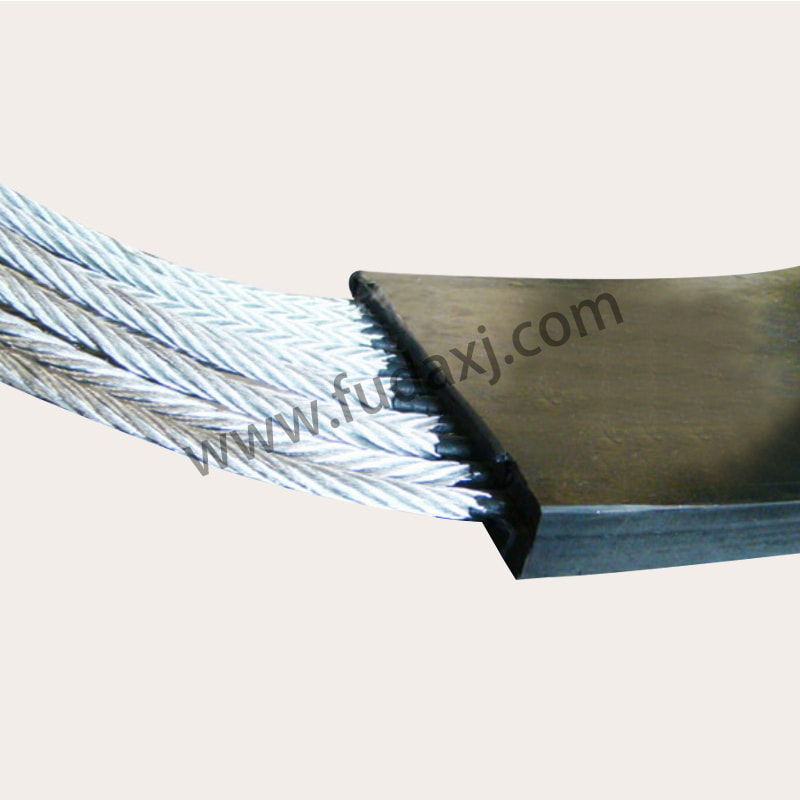
Across the global landscape of manufacturing, mining, logistics, and agriculture, a continuous loop of motion forms the backbone of material movement: the conveyor belt. This seemingly simple system—a durable belt rotating over a series of rollers—has revolutionized productivity by enabling the automated, continuous, and efficient transport of goods over distances ranging from a few meters to several kilometers. From parcels in a distribution center to tons of ore in a mine, the conveyor belt is an indispensable technology that underpins the speed and scale of modern production and distribution networks.
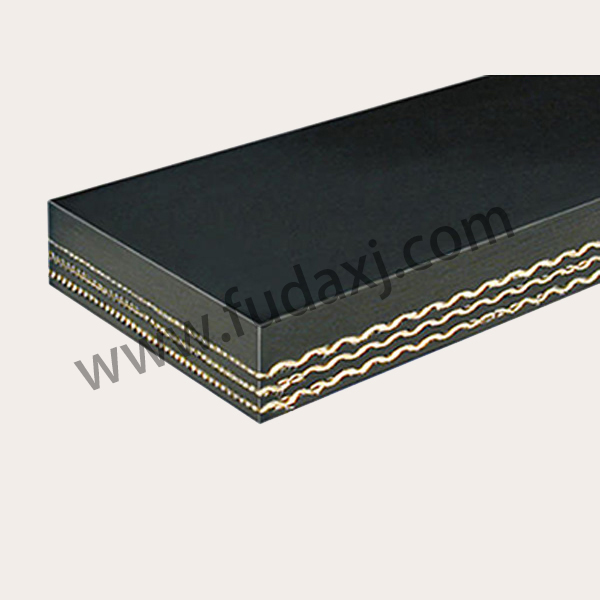
The core principle of the conveyor belt system is elegant in its simplicity. A motor drives a pulley, which in turn moves a continuous loop of belting material over a series of idler rollers that provide support and maintain the belt's shape. This creates a moving surface capable of carrying items from a loading point to a discharge point without manual handling. The true sophistication, however, lies in the engineering of the belt itself and its supporting system. A modern conveyor belt is a composite structure, typically featuring several layers: a top cover resistant to wear and the specific material being carried, a carcass of fabric or steel cords for tensile strength, and a bottom cover resistant to friction from the rollers.
The application of conveyor belt technology is remarkably diverse, with designs tailored to specific industries and materials. In mining and heavy industry, rugged steel-cord conveyor belt systems move enormous volumes of coal, ore, and aggregate over long distances, often across challenging terrain. In food processing, specialized hygienic conveyor belt made from plastic modular or FDA-approved materials transport ingredients and packaged goods. At airport check-ins and in e-commerce fulfillment centers, a network of conveyor belt lines sorts and routes luggage and packages with precision. In agriculture, conveyor belt systems are used for harvesting, sorting, and packaging produce. This versatility is a testament to the conveyor belt's role as a fundamental facilitator of bulk and unit handling.
Safety and maintenance are paramount considerations in conveyor belt operation. Proper guarding, emergency stop mechanisms, and adherence to safety protocols are essential to protect workers. Regular inspection and maintenance of the belt, rollers, drives, and pulleys are crucial to prevent unexpected failures that can halt entire production lines. The shift towards predictive maintenance, using data from vibration and thermal sensors, is helping to anticipate issues before they cause disruption, enhancing the reliability of conveyor belt-dependent operations.
The evolution of the conveyor belt is intertwined with trends in automation, sustainability, and connectivity. Future systems will likely feature even greater integration with robotics and artificial intelligence for fully autonomous sorting and handling. Research into new, lighter, and more sustainable belt materials, including those with recycled content, is ongoing. The concept of the "smart belt," with embedded sensors providing real-time data on wear, load, and performance to a central control system, represents the next frontier. As industries continue to strive for greater efficiency, flexibility, and responsiveness, the humble yet vital conveyor belt will continue to evolve, remaining the silent, relentless artery that keeps the lifeblood of global commerce and industry flowing.
 Tel:0086-576-83070118
 Fax: 0086-576-83019528
 fudaxj@163.com
 Hongshan industrial Zone,Hongchou, Tiantai,zhejiang,317210,China