 Working hours:Mon - Sat 8.00 - 18.00
  Call Us:0086-576-83070118
 English
 简体中文
简体中文 Español
 عرب
عرب
 English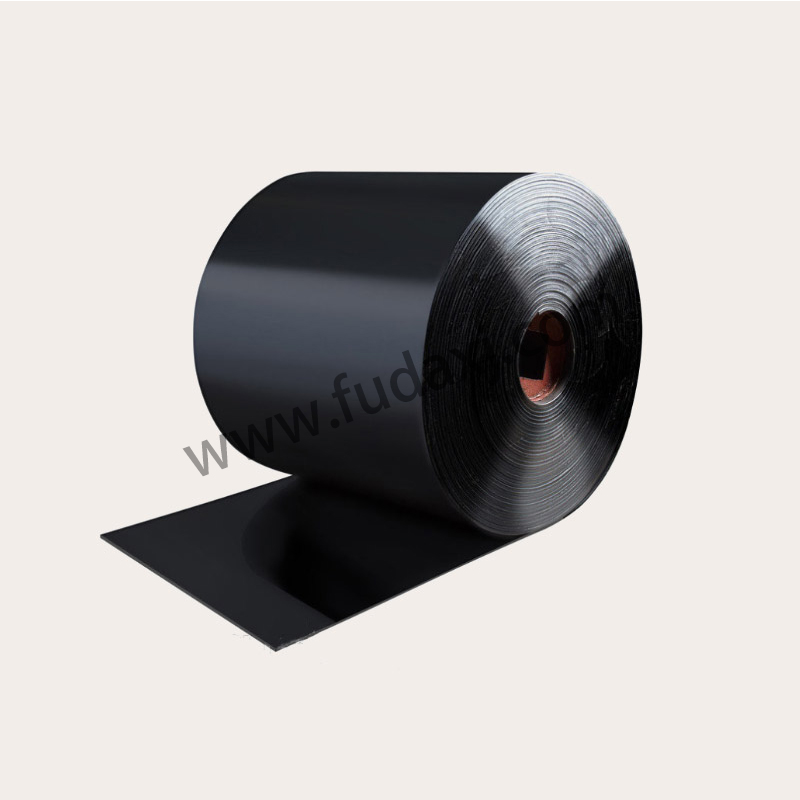
What a Conveyor Belt Actually Does
At its core, a conveyor belt is a simple idea. A loop of material, stretched between two or more pulleys, moves goods from point A to point B without a forklift or a pair of hands in between. Sounds basic. But the engineering behind it — belt tension, roller spacing, motor torque — gets complicated fast once you're moving thousands of units an hour.
Factories use them to shuttle raw materials into production lines. Distribution centers use them to sort packages by size or destination. Airports use them for baggage. Mines use them to haul ore across distances that would take trucks hours to cover. The applications spread out in every direction once you start looking.
Different Jobs Call for Different Belts
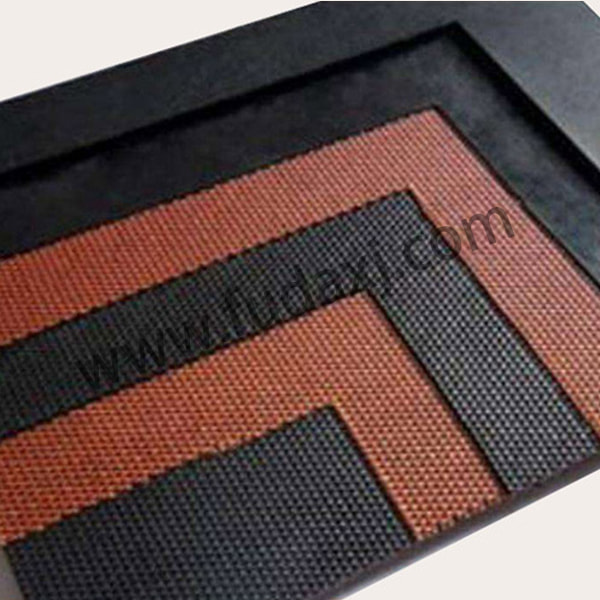
Not every conveyor belt looks or behaves the same way, and that's kind of the point. A rubber belt built for gravel and aggregate handling isn't going to work in a food processing plant, where sanitation standards call for smooth, easy-to-clean surfaces instead. Modular plastic belts show up a lot in bottling and packaging lines because sections can be swapped out individually rather than replacing the whole run.
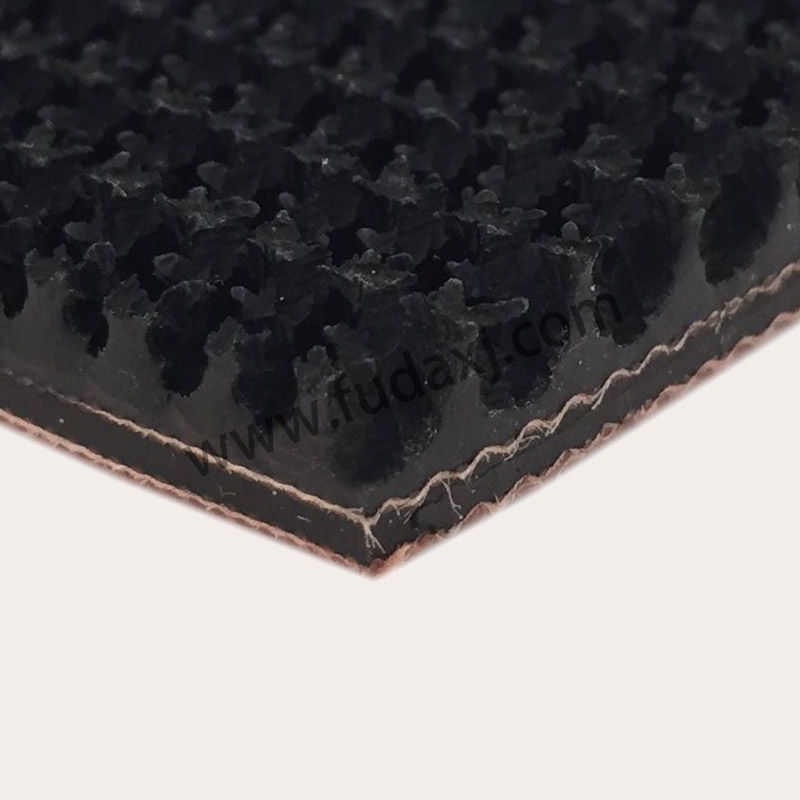
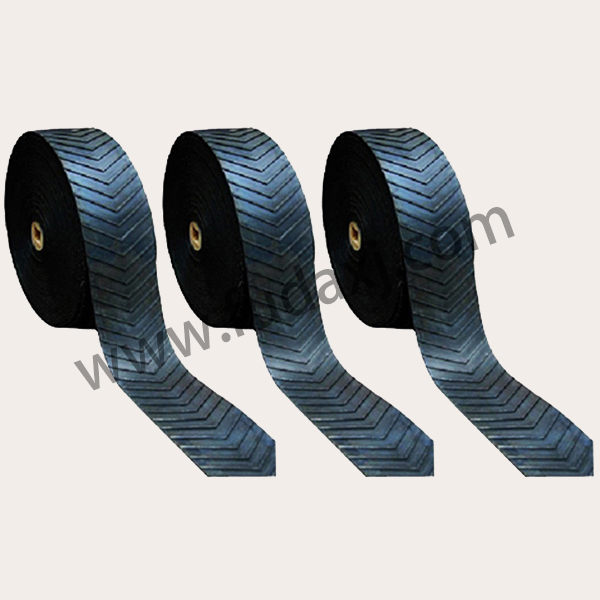
Then there's incline conveying, where the belt has to grip well enough to carry material upward without everything sliding back down. Cleated or textured belts handle that job. Wire mesh belts turn up in ovens and freezers, since they allow airflow and heat to pass through material evenly. Pick the wrong type for the wrong setting, and productivity takes a hit almost immediately.
Materials and Construction
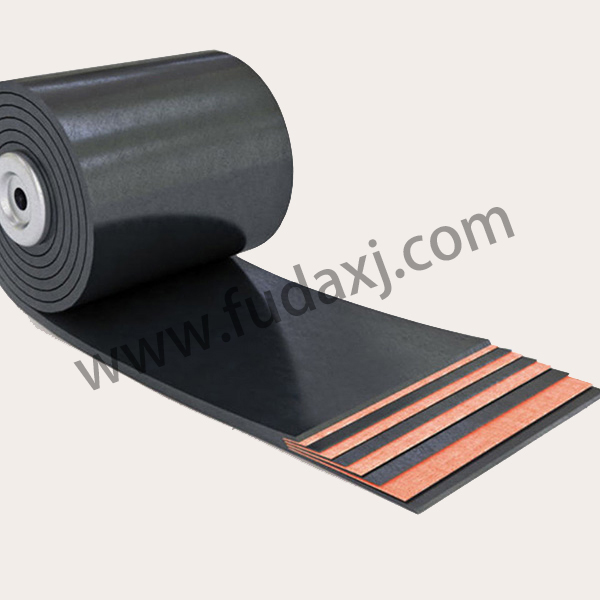
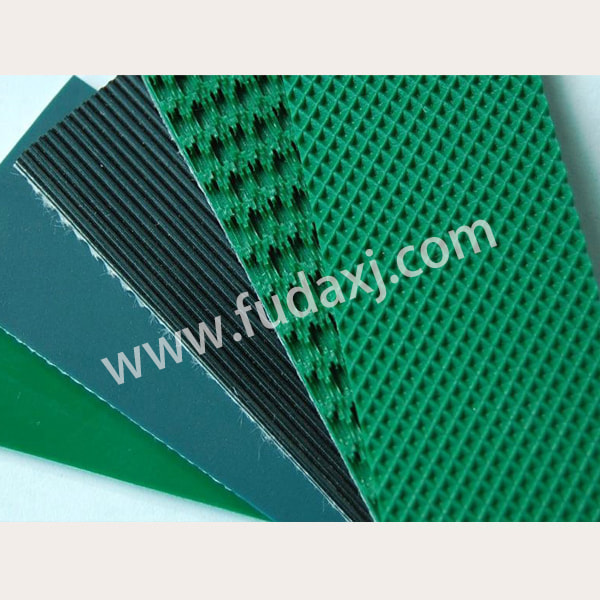
Rubber remains a common choice, valued for flexibility and resistance to abrasion. PVC belts are lighter and often used in lighter-duty settings — think small parts assembly or light packaging. Steel and metal mesh belts step in when temperatures climb, since they hold up under heat that would degrade rubber or plastic over time.
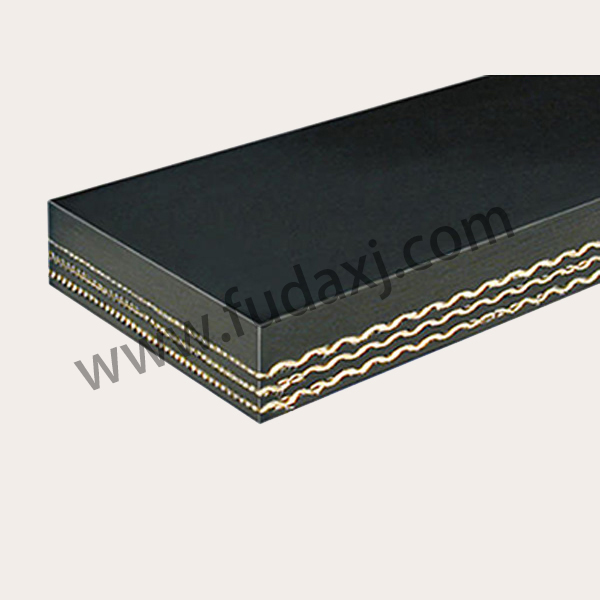
Belt width, thickness, and ply count all factor into load capacity. A belt that's too thin for its job stretches unevenly and starts tracking off-center, which throws the whole system out of alignment. Manufacturers typically build in a safety margin above expected load, so the belt isn't running right at its limit during normal operation.
Motors, Pulleys, and the Drive System
None of this moves without a drive system. Electric motors, usually paired with gearboxes to control speed, turn the head pulley, which pulls the belt along its loop. Tail pulleys and idler rollers keep tension even and prevent sagging. Get the tension wrong — too loose or too tight — and belts slip, wear unevenly, or wander off their intended path.
Variable speed drives have become fairly standard in a lot of newer installations, letting operators adjust throughput without swapping equipment. Slower speeds for delicate items, faster speeds for bulk material — same belt, different settings.
Where OEM and Bulk Buyers Fit In
For wholesale buyers and OEM clients sourcing conveyor systems, specification details matter more than general descriptions. Belt width, load rating, motor power, and frame material all need to line up with the actual production environment, not just a catalog average. Custom lengths and configurations are common requests, since production lines rarely follow a single standard layout.
Distributors working across multiple industries—including food processing, mining, packaging, and automotive—often need suppliers who can produce Conveyor belt variations based on a common design rather than supplying only one fixed product. That flexibility, more than anything else, tends to separate a workable supplier relationship from a frustrating one.
 Tel:0086-576-83070118
 Fax: 0086-576-83019528
 fudaxj@163.com
 Hongshan industrial Zone,Hongchou, Tiantai,zhejiang,317210,China