 Working hours:Mon - Sat 8.00 - 18.00
  Call Us:0086-576-83070118
 English
 简体中文
简体中文 Español
 عرب
عرب
 English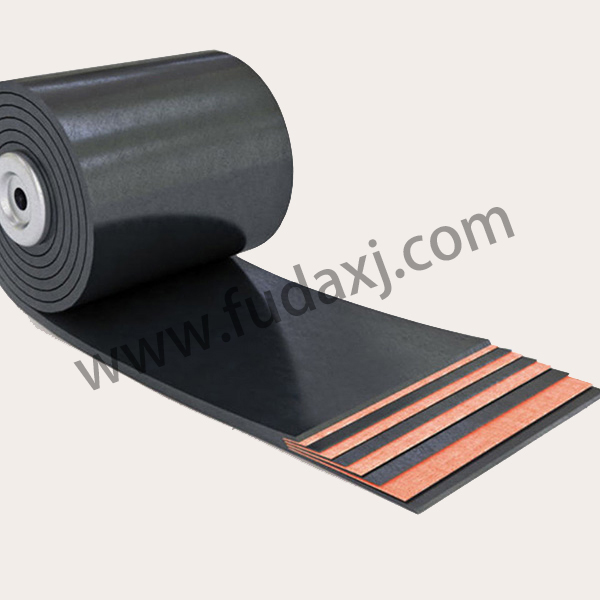
EP conveyor belts appear in many industrial settings where materials need steady movement from one area to another. These fabric-based belts use a combination of polyester and nylon fibers that give them decent strength and flexibility for daily operations. They support the flow of goods in factories and warehouses without drawing much notice.
What Makes Up an EP Conveyor Belt
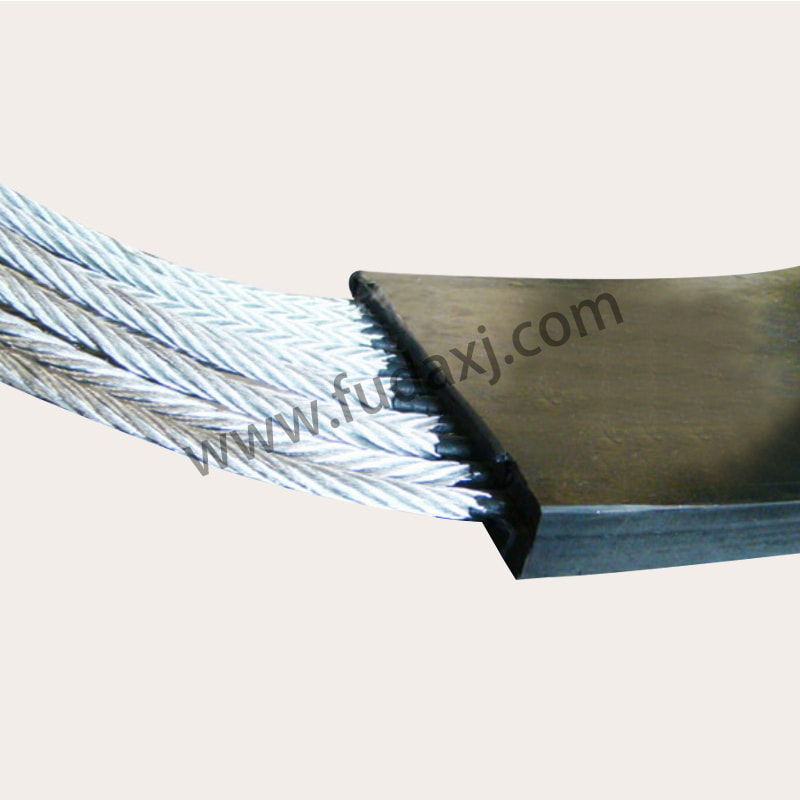
EP conveyor belts get their name from the polyester warp and nylon weft threads woven together in the carcass. This mix creates a balanced structure that offers good dimensional stability during use. The fabric layers sit between rubber covers that protect the inside while providing surface grip.
The construction allows the belt to run smoothly over rollers and pulleys in typical conveyor setups. Manufacturers adjust the number of plies depending on the expected load and distance the belt needs to cover. This setup helps the belt maintain its shape even after repeated cycles of carrying material forward and returning empty.
How EP Conveyor Belts Perform in Operation
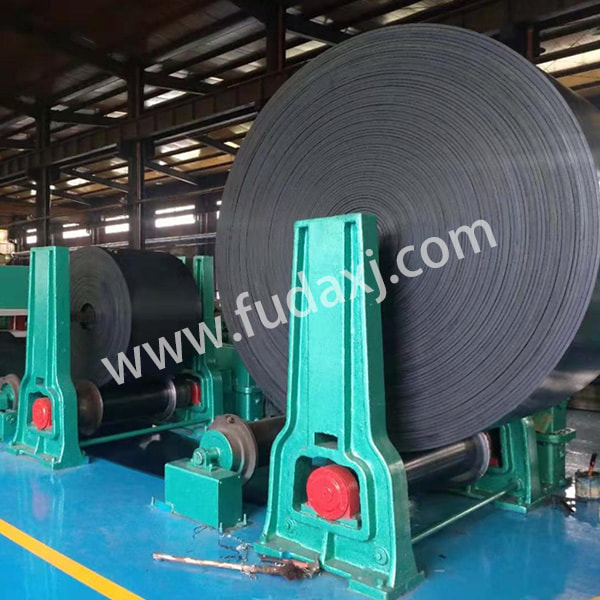
In practice, the belt forms a loop that moves at a consistent pace set by the drive system. Materials load onto the top surface and travel along the line until they reach the discharge point. The EP fabric inside helps resist stretching so the belt keeps proper tension throughout the shift.
Workers often see these belts in action across production floors where packages or loose items move between stations. The rubber top cover grips the load to reduce slipping on slight inclines or during starts and stops. The overall design supports steady operation in environments with regular material flow.
Common Applications for EP Conveyor Belts
EP conveyor belts show up in quarries moving sand and gravel from processing areas to storage piles. They also handle lighter bulk goods in food packaging lines where hygiene matters during transport. Many warehouses rely on them for sorting and distribution tasks throughout the day.
In manufacturing plants, the belts connect different assembly stages by carrying parts or raw materials forward. Their flexibility makes them suitable for systems with curves or transitions between levels. The belts adapt to various widths and lengths based on the layout of each facility.
Factors That Influence EP Conveyor Belt Selection
Companies consider the type of material being carried when choosing an EP conveyor belt. Abrasive items may need thicker rubber covers while lighter loads work with standard versions. The ply rating affects how much weight the belt can support over distance.
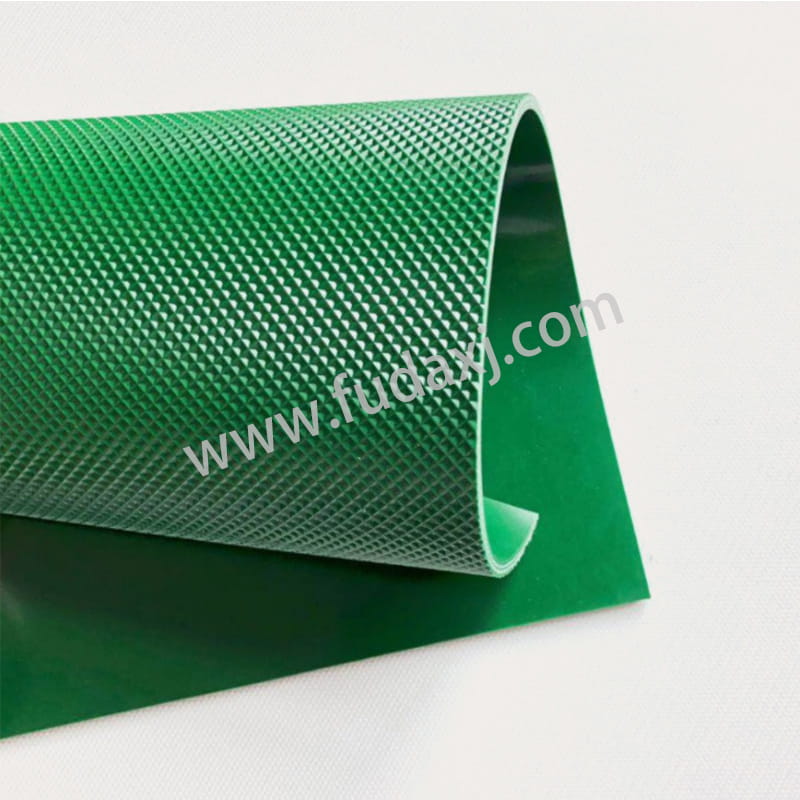
Operators look at the operating speed and environmental conditions around the conveyor too. EP belts tend to handle moderate temperatures and indoor or covered outdoor setups well. Different surface patterns on the cover can help with specific gripping needs during transport.
EP conveyor belts quietly support a wide range of industrial activities by keeping materials on the move. They connect various steps in production and distribution without complicated setups. Many facilities depend on their reliable performance during normal working hours.
The combination of fabric strength and rubber protection makes these belts a familiar choice for operators dealing with bulk goods on a regular basis. From small workshops to larger plants, the EP conveyor belts fit into systems where steady flow matters more than anything flashy. Their straightforward design has earned them a place in many material handling routines over time.
 Tel:0086-576-83070118
 Fax: 0086-576-83019528
 fudaxj@163.com
 Hongshan industrial Zone,Hongchou, Tiantai,zhejiang,317210,China