 Working hours:Mon - Sat 8.00 - 18.00
  Call Us:0086-576-83070118
 English
 简体中文
简体中文 Español
 عرب
عرب
 English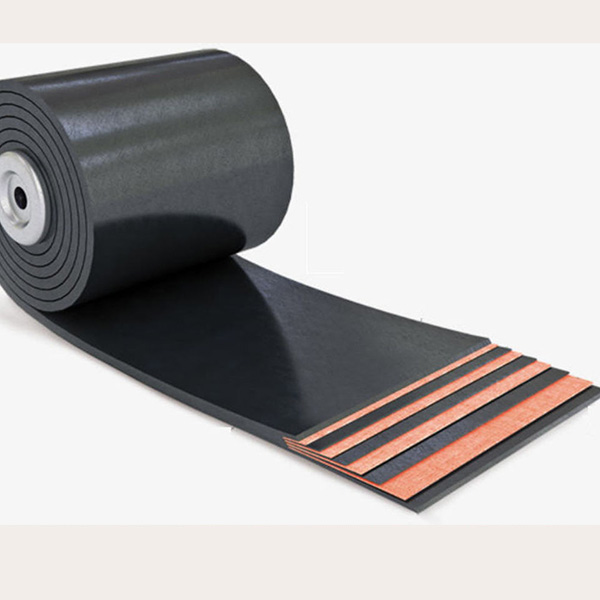
EP conveyor belt is a widely used types of belting in material handling, valued for its strength, flexibility, and resistance to impact and moisture. The EP stands for polyester and polyamide, the two synthetic fibers that make up the belt’s reinforcement layers, offering a balance of performance characteristics that suit a broad range of industrial applications.
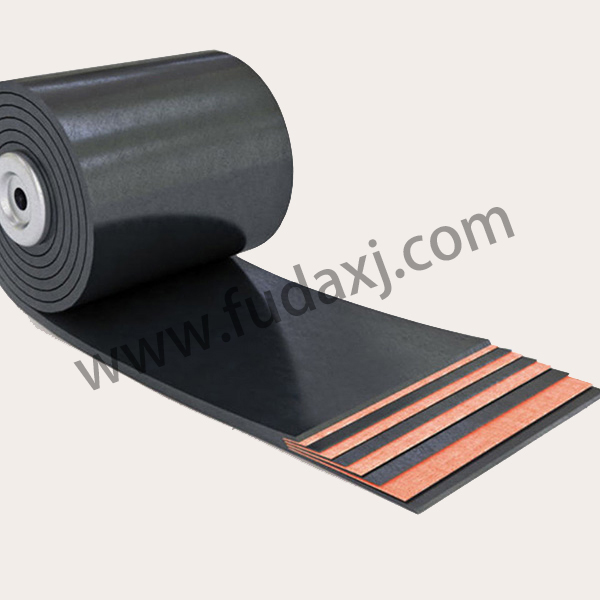
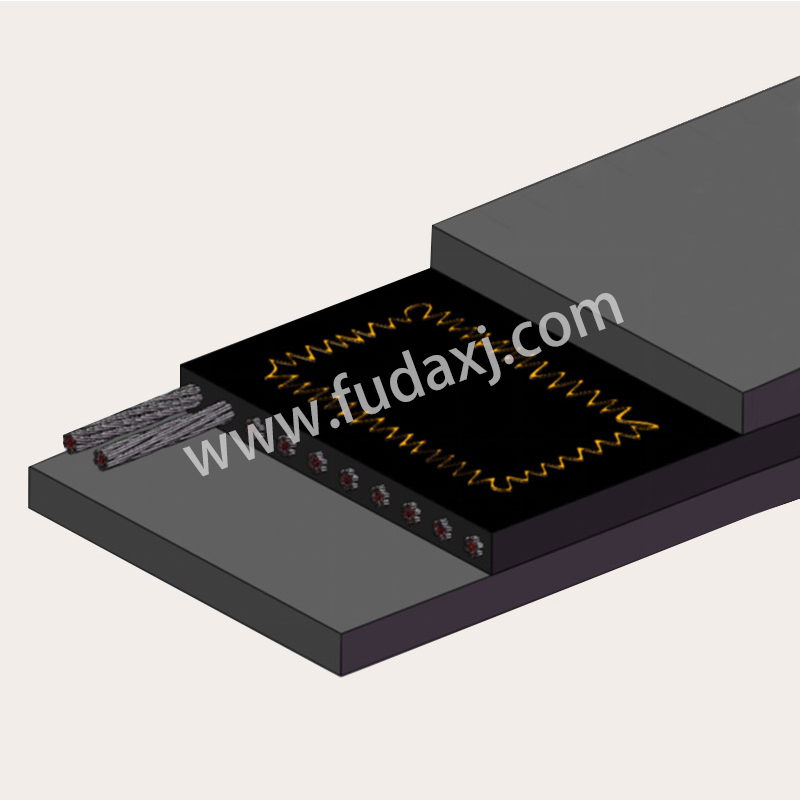
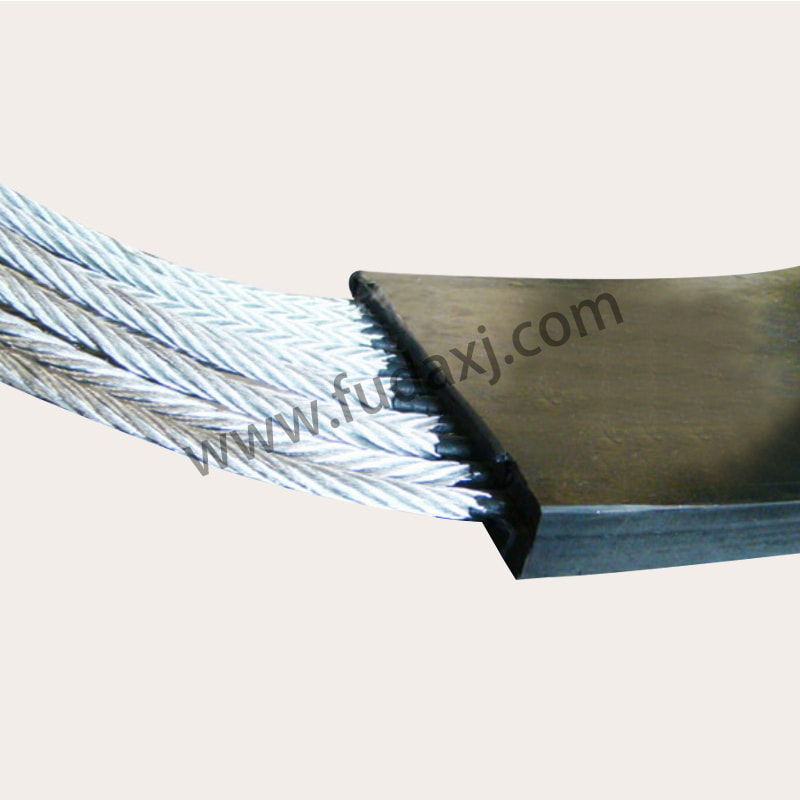
The construction of an EP conveyor belt includes three main layers. The top and bottom covers are made of rubber or other compounds that protect the belt from wear, impact, and the material being carried. Between these covers lies the carcass, made of multiple layers of EP fabric. Polyester fibers run lengthwise in the warp direction, providing high tensile strength and low stretch. Polyamide fibers run crosswise in the weft direction, providing impact resistance and flexibility. This combination gives the EP conveyor belt its name and its performance.
The low stretch characteristic of an EP conveyor belt is a significant advantage. Polyester fibers have low elongation under load, typically 1.5 to 3 percent at rated tension. This low stretch means the belt does not lengthen much when loaded, so the take-up system does not need to compensate for large changes in belt length. Less stretch also means less energy wasted in flexing the belt, improving overall system efficiency. For long conveyors or those with multiple drive stations, low stretch is essential for proper tension control.
The flexibility of an EP conveyor belt allows it to operate over smaller pulleys than other belt types. Polyamide fibers provide good flexibility, so the belt can bend around smaller diameter pulleys without cracking or separating. This flexibility is valuable in portable conveyors, in systems with limited space, or in retrofits where existing pulley sizes cannot be changed. A more flexible belt also reduces the bending resistance, lowering the power required to run the conveyor.
The impact resistance of an EP conveyor belt protects against damage from falling material. The polyamide weft fibers absorb shock better than all-polyester constructions, reducing the chance of the belt being punctured or torn when rocks or other heavy materials drop onto the belt. For applications with significant impact at loading points, the EP conveyor belt can be specified with thicker rubber covers that provide additional cushioning. Impact idlers and proper chute design also help protect the belt.
The moisture resistance of an EP conveyor belt makes it suitable for wet applications. Polyester and polyamide fibers do not absorb water significantly, so the belt does not lose strength or become heavy when exposed to rain, washdown, or wet materials. The rubber covers are formulated to resist water absorption and mildew. An EP conveyor belt can operate outdoors in all weather conditions without degradation from moisture. This makes it a common choice for aggregate plants, ports, and mining operations.
For industries ranging from sand and gravel to food processing, the EP conveyor belt delivers reliable performance at a reasonable cost. It resists stretch, handles impact, and performs in wet conditions. With proper selection of cover compounds and ply strength, an EP conveyor belt can be tailored to almost any material handling application, providing years of service with routine maintenance.
 Tel:0086-576-83070118
 Fax: 0086-576-83019528
 fudaxj@163.com
 Hongshan industrial Zone,Hongchou, Tiantai,zhejiang,317210,China