 Working hours:Mon - Sat 8.00 - 18.00
 Call Us:0086-576-83070118
 English
 简体中文
 Español
 عرب

 English
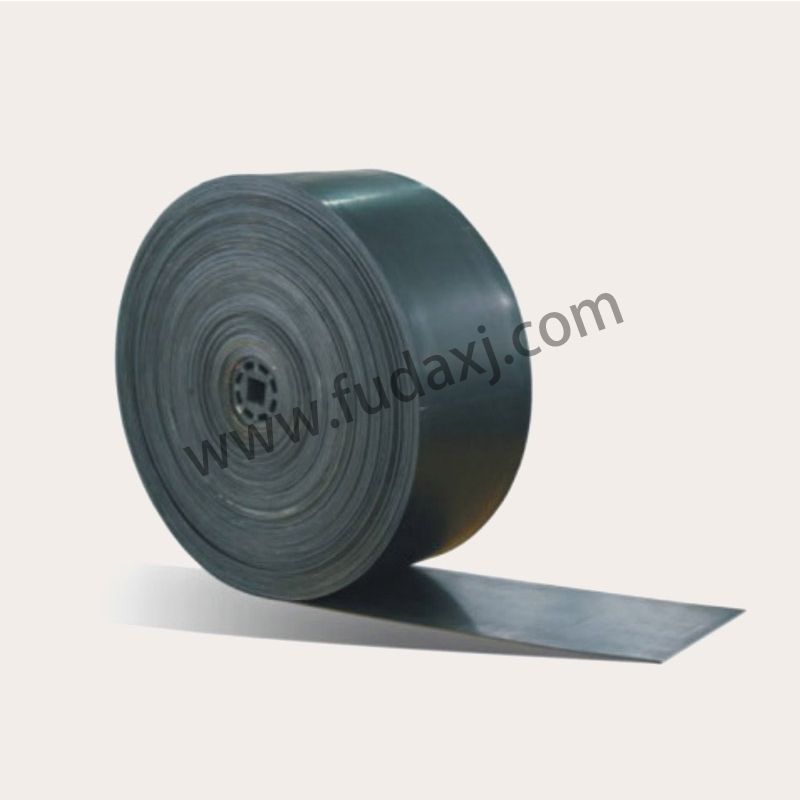
High temperature conveyor belt systems move materials through zones where ordinary belts fail. Factories that handle hot parts, molten materials, or continuous heat cycles need belts that keep shape, strength, and surface integrity under sustained thermal load.
Material composition of high temperature conveyor belt
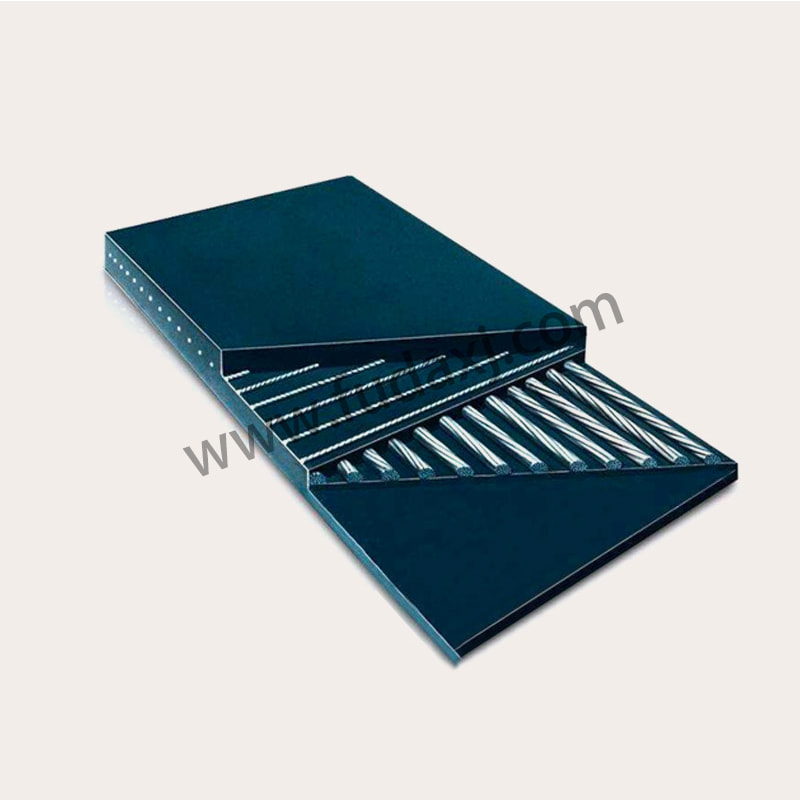
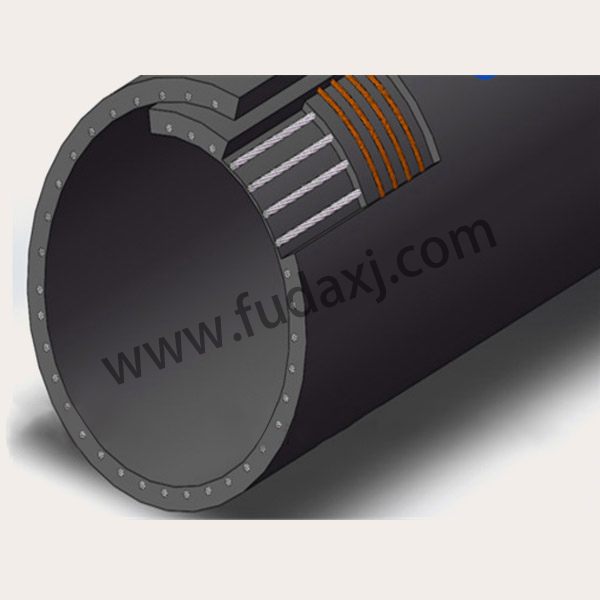
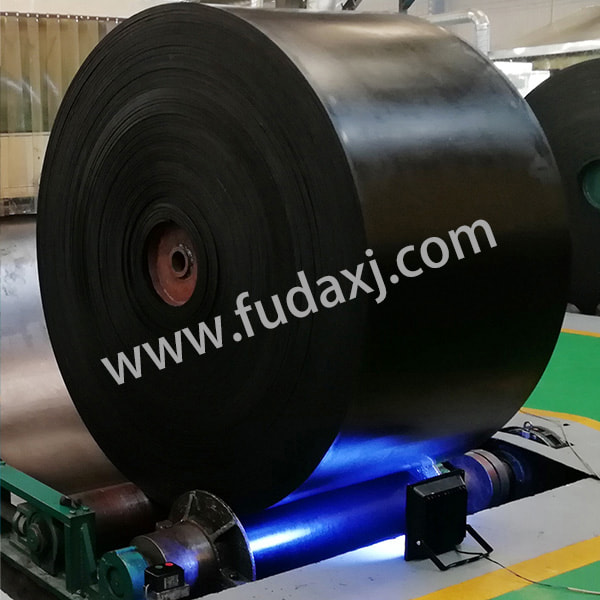
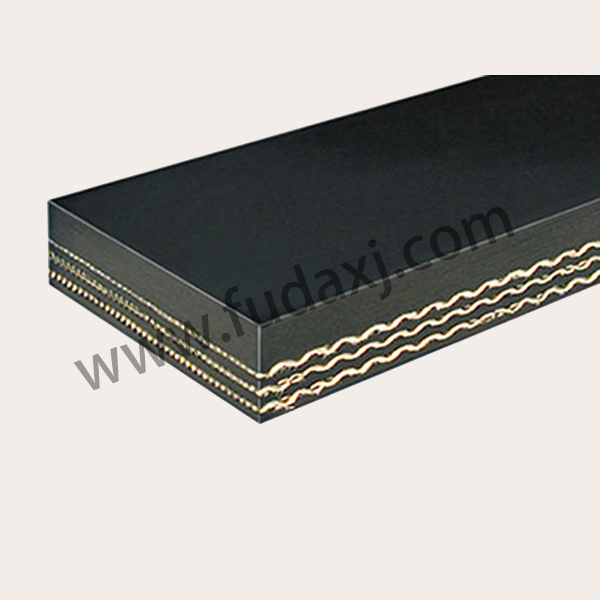
A high temperature conveyor belt typically combines a heat-resistant carcass with a specialized cover compound. Common carcasses use woven glass fiber, aramid, or steel cord for dimensional stability when temperatures climb. Cover compounds often draw from silicone, PTFE-coated fabrics, or specially formulated rubber blends that resist hardening and cracking.
The choice depends on the peak temperature, the type of product carried, and whether the belt must also resist abrasion or chemical contact. Layer thickness and fabric density are adjusted during design so the belt stays flexible enough for the drive system while holding its form in the heat zone. Buyers reviewing options often start by confirming which base materials suit their continuous operating range.
Production techniques for high temperature conveyor belt
Manufacturing begins with careful selection and preparation of the reinforcement fabric. The fabric is treated or coated to improve adhesion with the cover compound. Cover materials are mixed under controlled conditions to achieve the required heat resistance and then calendered onto the carcass.
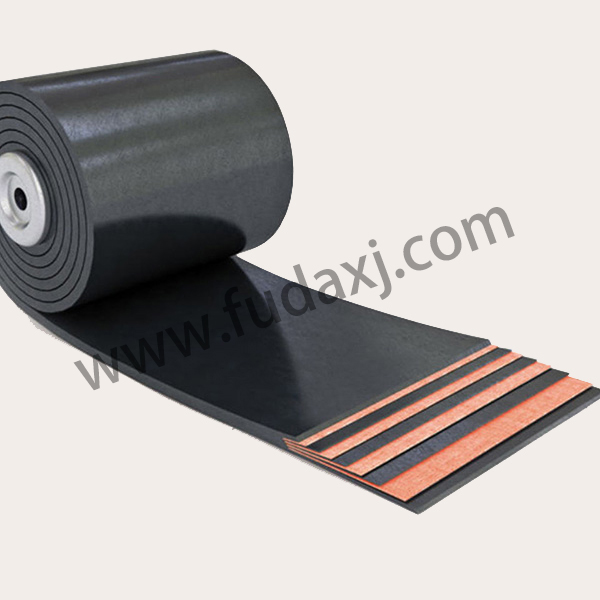
Multiple plies may be built up, followed by vulcanization or curing cycles that lock the structure together. Edge treatments and splicing methods are chosen to avoid weak points that could open under thermal expansion. Throughout the process, tension and alignment are monitored so the finished belt runs true on the conveyor frame.
Key functional properties
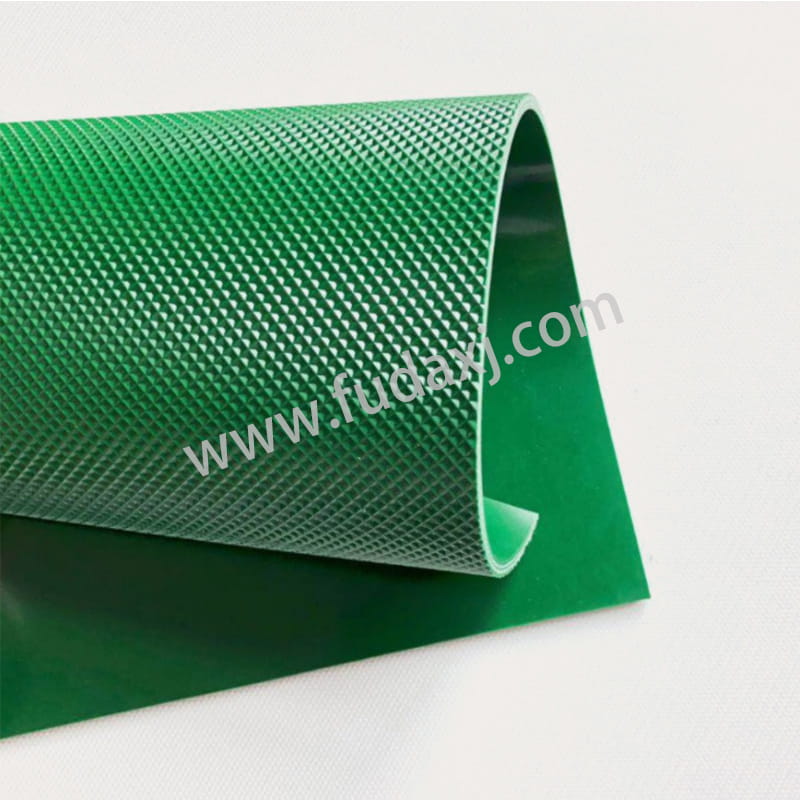
A high temperature conveyor belt must maintain tensile strength after repeated heating and cooling cycles. It should release product cleanly without excessive sticking, especially when carrying sticky or oily hot materials. Surface finish can be smooth for easy discharge or textured for grip when incline conveying is required.
Dimensional stability prevents tracking problems that arise when ordinary belts elongate under heat. Resistance to radiant heat from nearby furnaces or ovens is another practical requirement in many layouts. These properties come directly from the material combination and the way the belt is constructed rather than from surface treatments alone.
Applications in high-heat environments
Foundries use high temperature conveyor belt lines to move castings from pouring areas through cooling tunnels. Metal-processing plants rely on them for transferring hot billets, plates, or scrap. Glass and ceramics manufacturers convey formed pieces while residual heat is still present.
Food processors handling baked or fried products sometimes adopt similar constructions when continuous high heat is part of the line. In each case the belt replaces manual handling or less reliable transfer methods, keeping material flowing without frequent stops for cooling. The shared need is consistent performance under thermal load across different process layouts.
How production ensures reliability
Consistency starts with raw-material inspection and continues through every processing step. Controlled vulcanization or curing cycles reduce internal stresses that could later cause cracking. Proper splicing techniques, whether mechanical or vulcanized, keep the joint as strong as the belt body under thermal load.
Final inspection often includes running the belt under simulated load and temperature conditions before shipment. These steps help the finished product survive the repeated thermal cycles typical of continuous production lines. Attention to each stage reduces variation between batches and supports predictable service in the field.
 Tel:0086-576-83070118
 Fax: 0086-576-83019528
 fudaxj@163.com
 Hongshan industrial Zone,Hongchou, Tiantai,zhejiang,317210,China
