 Working hours:Mon - Sat 8.00 - 18.00
  Call Us:0086-576-83070118
 English
 简体中文
简体中文 Español
 عرب
عرب
 English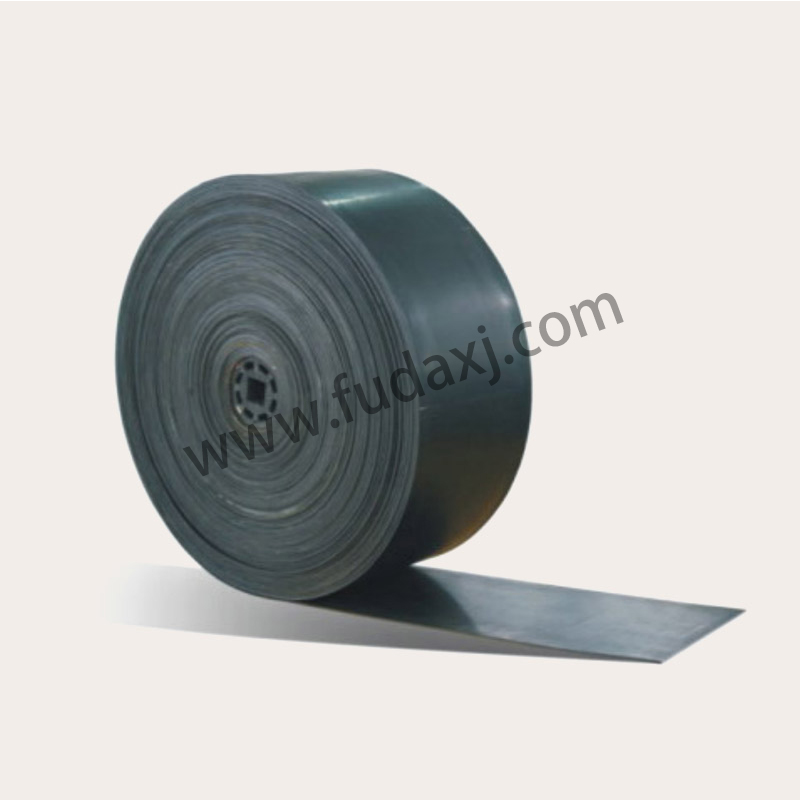
Numerous industrial processes involve handling materials at elevated temperatures, from sintering ores and transporting hot cement clinker to cooling baked goods and processing metal castings. Standard rubber conveyor belts degrade rapidly under such thermal stress, pilot to cracking, delamination, and premature failure. To meet this specific challenge, the industry relies on specialized High Temperature Conveyor Belt technology. These belts are engineered with materials and constructions specifically designed to withstand continuous exposure to heat, as well as the associated thermal cycling, abrasion from hot materials, and potential contact with hot surfaces. The development and application of a reliable High Temperature Conveyor Belt are critical for maintaining continuous operation, safety, and efficiency in sectors like cement production, metalworking, foundries, and certain food processing stages.
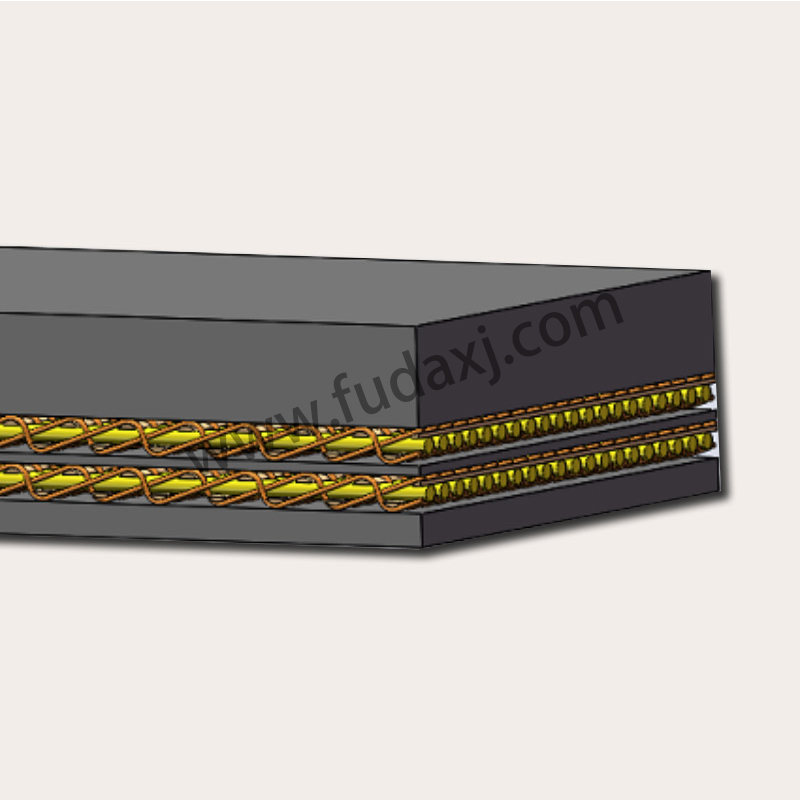
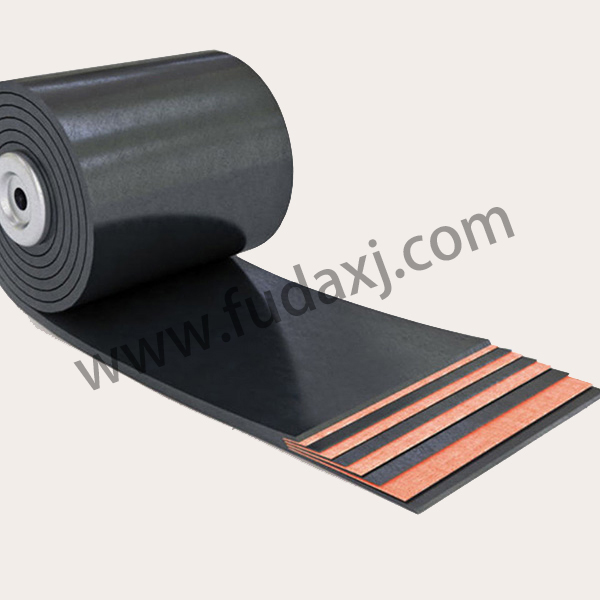
The core of a High Temperature Conveyor Belt's design is the substitution of standard rubber compounds with heat-resistant materials. For the covers, specially formulated synthetic rubbers are used. Common choices include EPDM (ethylene propylene diene monomer), which offers good resistance to temperatures typically up to 150°C (302°F) and to steam, and SBR (styrene-butadiene rubber) with specific heat-resistant additives. For more bad temperatures exceeding 175-200°C (347-392°F), non-rubber materials become necessary. These can include fabrics coated with silicone or Teflon (PTFE), which can endure higher temperatures while offering a non-stick surface, or belts constructed from woven fiberglass or metal mesh with small polymeric components. The carcass reinforcement must also be heat-stable, often utilizing fabrics like polyester or fiberglass that retain their strength at high temperatures, rather than standard nylon which can weaken.
The application of High Temperature Conveyor Belt technology is important in several key industries. In cement manufacturing, these belts transport hot clinker from the kiln to cooling systems and storage, with material temperatures often ranging from 80°C to over 150°C. In foundries and steel mills, a High Temperature Conveyor Belt may handle hot sand, castings, or metal parts. The baking and snack food industry uses heat-resistant belts, often with FDA-approved silicone covers, to move products through ovens and coolers. Chemical plants and waste-to-energy facilities also deploy High Temperature Conveyor Belt systems to handle hot, processed materials or incinerated ash. In each case, the belt must not only survive the heat but also maintain its mechanical integrity—its tensile strength and flexibility—to function reliably within the conveyor system.
Innovation in High Temperature Conveyor Belt technology focuses on extending operational limits, improving energy efficiency, and enhancing monitoring. Research into new polymer blends, ceramic-embedded covers, and advanced composite materials aims to create belts that can withstand even higher temperatures with less wear. The development of belts with lower thermal mass can reduce energy consumption in processes where the belt itself is heated. Furthermore, the integration of temperature-resistant sensor fibers or coatings into the belt structure is a growing area of interest. This could allow for real-time monitoring of belt temperature profiles, enabling predictive maintenance and preventing undetected thermal damage. As industries push process efficiencies and handle increasingly demanding materials, the specialized role of the High Temperature Conveyor Belt will only grow. Its continuous evolution ensures that material flow can be sustained in some of the lots of thermally challenging environments, keeping critical industrial processes running safely and productively.
 Tel:0086-576-83070118
 Fax: 0086-576-83019528
 fudaxj@163.com
 Hongshan industrial Zone,Hongchou, Tiantai,zhejiang,317210,China