 Working hours:Mon - Sat 8.00 - 18.00
  Call Us:0086-576-83070118
 English
 简体中文
简体中文 Español
 عرب
عرب
 English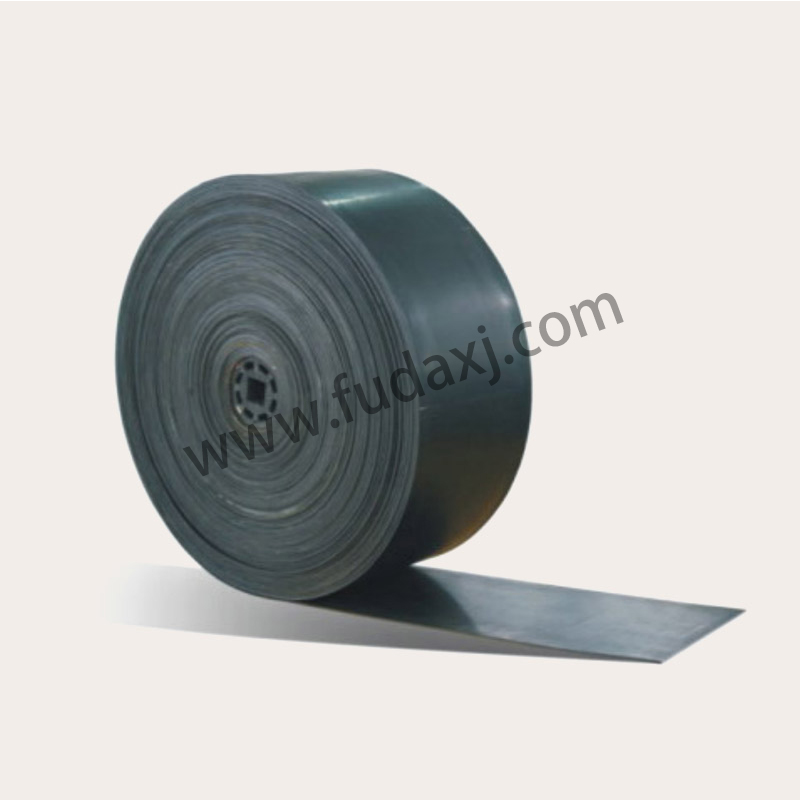
Heat Changes Conveyor Belt Requirements
Industrial conveying is not always about moving materials at room temperature. Some production lines handle clinker, sintered materials, foundry products, hot ash, cement-related materials, or other heated substances. In these conditions, ordinary conveyor belt materials may face different operating challenges.
A High temperature conveyor belt is developed for conveying applications where elevated material temperatures are part of normal production. Its structure focuses on heat resistance while retaining the flexibility and mechanical properties required for continuous material transportation.
What Happens When Hot Materials Meet a Belt?
Heat can influence the physical properties of rubber and other belt materials. Continuous exposure to elevated temperatures may affect flexibility, surface condition, and the interaction between the belt cover and conveyed material.
The temperature of the material is only one factor to consider. Contact duration also matters. A short period of contact with a hot product can create different conditions from continuous exposure along a long conveyor route.
A High temperature conveyor belt is therefore selected according to the actual temperature range and conveying conditions of a production line rather than temperature alone.
Belt Construction for Heated Applications
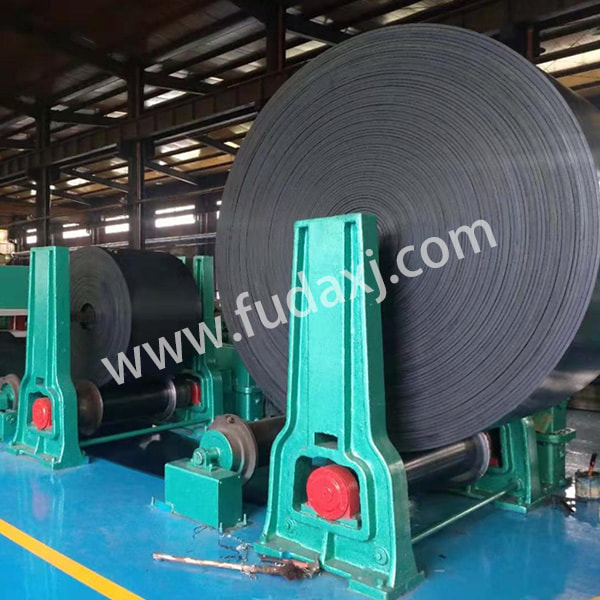
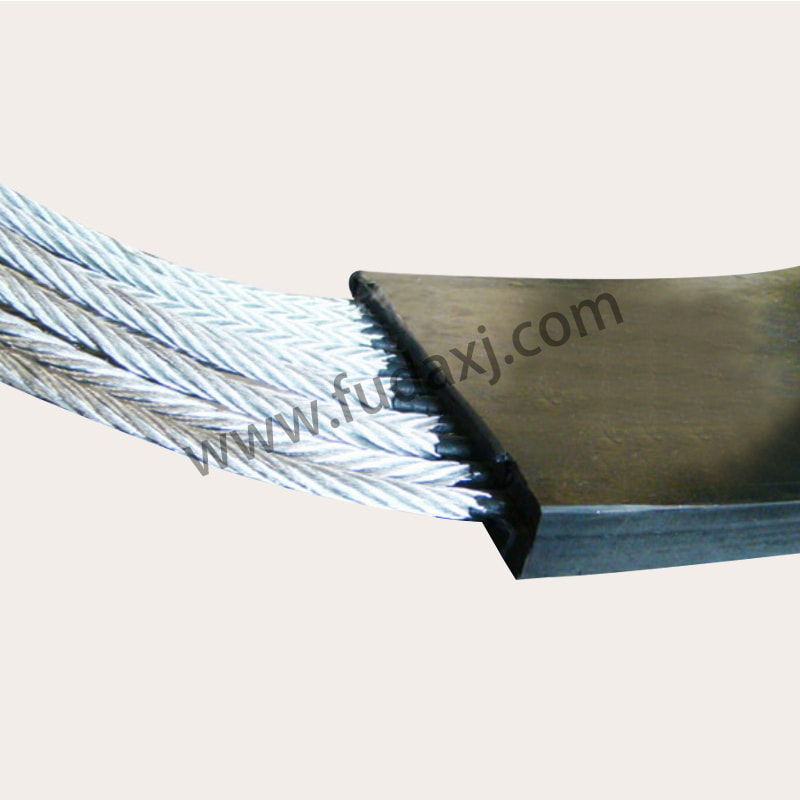
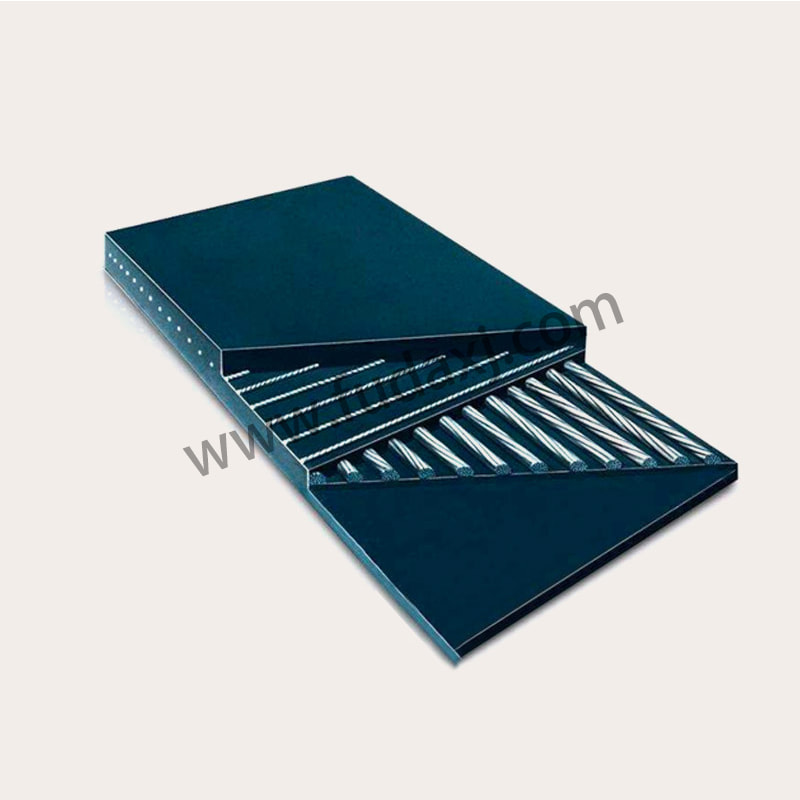
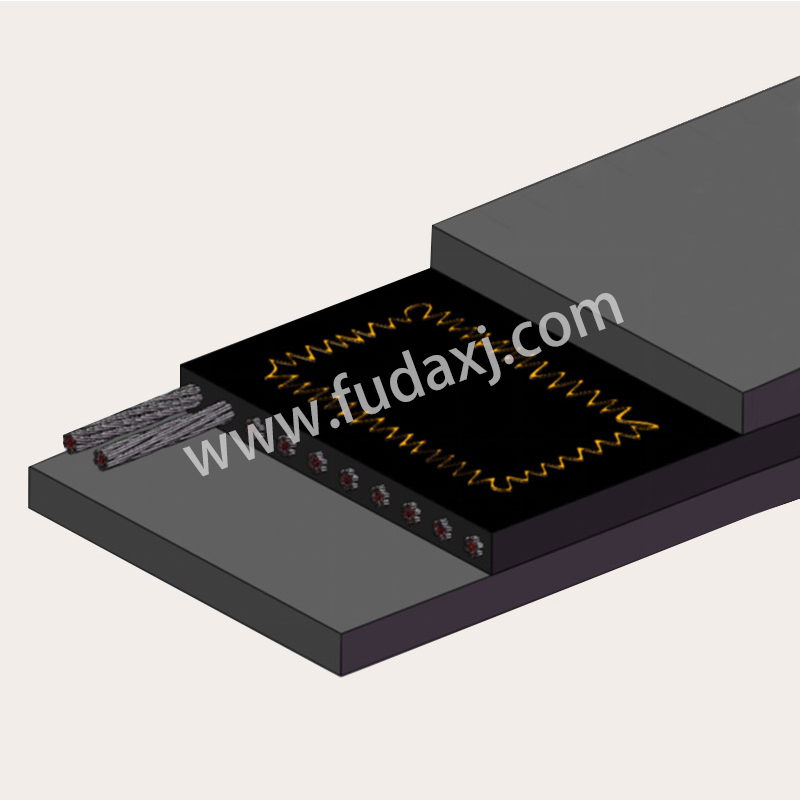
A conveyor belt generally contains several functional layers, including a working cover, reinforcement, and bonding components. Each layer contributes to the belt's ability to carry materials and maintain its shape during operation.
For high-temperature applications, the cover material is particularly important because it directly contacts the conveyed product. Heat-resistant compounds can be formulated to handle thermal exposure while providing the flexibility needed for belt movement.
Internal reinforcement also affects tensile performance. Conveyor length, loading conditions, and material weight should be considered when determining the appropriate belt construction.
Where High Temperature Conveyor Belts Are Used
A High temperature conveyor belt can be found in industries that handle heated bulk materials or products. Cement-related production is one common application, especially where hot clinker or similar materials need to move between processing stages.
Other applications include foundries, metallurgy, mineral processing, brick production, thermal processing facilities, and certain industrial material handling systems.
The specific belt design depends on the temperature range, material size, loading method, conveying distance, and belt speed. A production line handling fine hot particles may require a different configuration from one transporting large pieces of heated material.
Temperature Is Not the Only Variable
Choosing a High temperature conveyor belt involves looking at the complete working environment. Material temperature should be measured at the actual loading and conveying stages because temperatures can change during transportation.
Material shape can also influence belt loading. Sharp or irregular pieces may create mechanical stress, while fine particles can remain in contact with the belt surface for longer periods.
Conveyor speed is another consideration. Faster movement can reduce the time a material remains in contact with a particular section of the belt, while slower conveying may increase exposure duration.
Matching Belt Design With Production Needs
Industrial buyers usually consider several specifications before selecting a conveyor belt for heated materials. These can include belt width, thickness, tensile strength, cover characteristics, temperature range, and reinforcement type.
A High temperature conveyor belt should match the actual process rather than simply being selected according to a general heat-resistant label. Understanding the material temperature and conveying conditions can help engineers define a suitable belt structure.
The loading point deserves attention as well. Hot materials can create concentrated thermal and mechanical loads when they enter the conveyor. Belt construction and system layout therefore need to work together.
 Tel:0086-576-83070118
 Fax: 0086-576-83019528
 fudaxj@163.com
 Hongshan industrial Zone,Hongchou, Tiantai,zhejiang,317210,China