 Working hours:Mon - Sat 8.00 - 18.00
  Call Us:0086-576-83070118
 English
 简体中文
简体中文 Español
 عرب
عرب
 English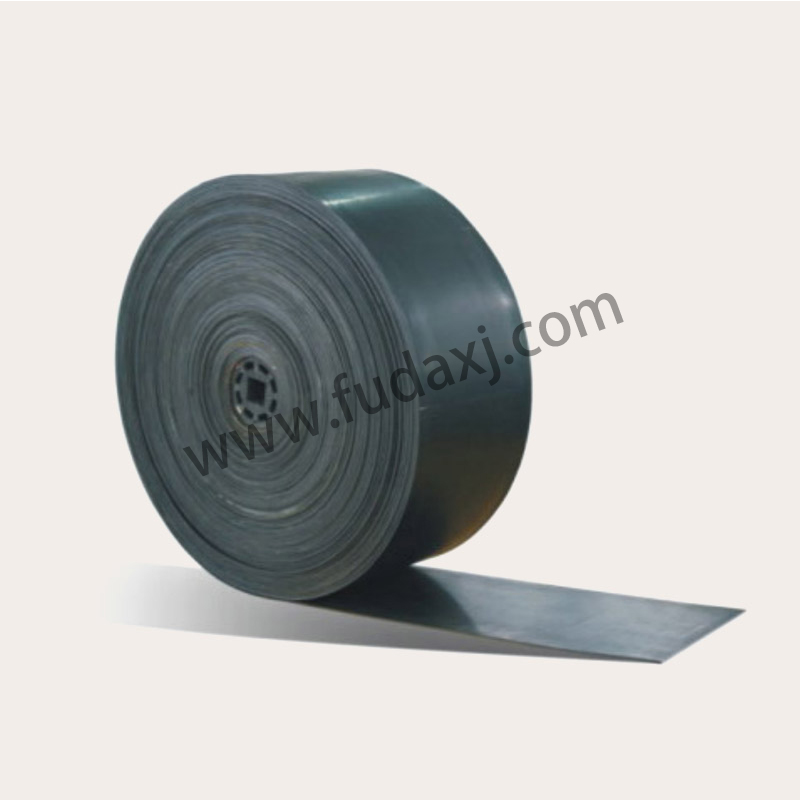
The high temperature conveyor belt has become an essential component in industries where products move through ovens, furnaces, or dryers. Unlike standard conveyor belts that degrade under heat exposure, a high temperature conveyor belt maintains tensile strength and dimensional stability at elevated temperatures. Plant engineers have specified the high temperature conveyor belt for applications such as glass annealing, heat treating, ceramic firing, and electronics soldering. The ability of a high temperature conveyor belt to transport products through thermal processing zones affects production throughput and quality. Manufacturers continue to produce high temperature conveyor belt systems in various weaves, materials, and edge configurations.
Material selection for a high temperature conveyor belt determines its big service temperature. A stainless steel high temperature conveyor belt withstands continuous operation at 500 to 800 degrees Celsius depending on alloy grade. A 304 stainless steel high temperature conveyor belt suits baking and drying applications below 500 degrees Celsius. A 310 or 314 stainless steel high temperature conveyor belt handles 1,000 to 1,100 degrees Celsius for heat treating and sintering. A nickel alloy high temperature conveyor belt operates at 1,200 degrees Celsius for specialized ceramic or glass processes. The material choice for a high temperature conveyor belt affects both initial cost and service life.
Weave patterns for a high temperature conveyor belt influence strength, airflow, and product support. A balanced weave high temperature conveyor belt uses equal diameter wires in both directions for general use. A reinforced weave high temperature conveyor belt adds heavier wires in the main direction for increased strength. A compound weave high temperature conveyor belt includes multiple wire thicknesses for specific load and airflow requirements. A chain link or mesh belt of a high temperature conveyor belt suits products that require big air circulation. The belt mesh opening of a high temperature conveyor belt should be smaller than the smallest product dimension.
Spiral or wire helix designs of a high temperature conveyor belt provide a smooth conveying surface. A spiral woven high temperature conveyor belt offers low friction and gentle product handling. A flat wire high temperature conveyor belt provides a solid, flat surface for small parts or food items. The rod spacing on a high temperature conveyor belt affects how much product support is provided. A high temperature conveyor belt with overlapping spirals prevents small products from falling between links. The edge configuration of a high temperature conveyor belt includes welded loops or metal pins for chain engagement.
Drive system selection for a high temperature conveyor belt must account for thermal expansion during operation. A chain-driven high temperature conveyor belt engages sprockets at both edges for positive tracking. A friction-driven high temperature conveyor belt relies on drum contact and must accommodate thermal length changes. The sprocket material for a high temperature conveyor belt should resist wear at elevated temperatures. A take-up mechanism for a high temperature conveyor belt compensates for belt growth as temperature increases. The drive motor for a high temperature conveyor belt should be mounted outside the high heat zone.
The high temperature conveyor belt will likely continue serving heat-intensive manufacturing sectors. Advances in wire alloys may extend service life under fluctuating temperature conditions. For production engineers requiring dependable transport through thermal processing, the high temperature conveyor belt offers a proven solution.
 Tel:0086-576-83070118
 Fax: 0086-576-83019528
 fudaxj@163.com
 Hongshan industrial Zone,Hongchou, Tiantai,zhejiang,317210,China