 Working hours:Mon - Sat 8.00 - 18.00
  Call Us:0086-576-83070118
 English
 简体中文
简体中文 Español
 عرب
عرب
 English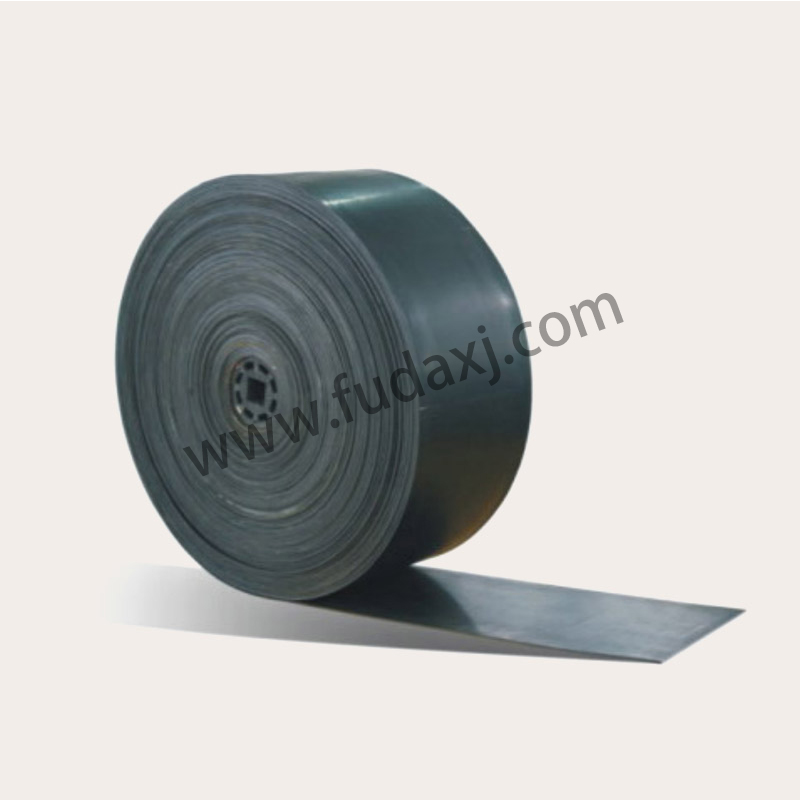
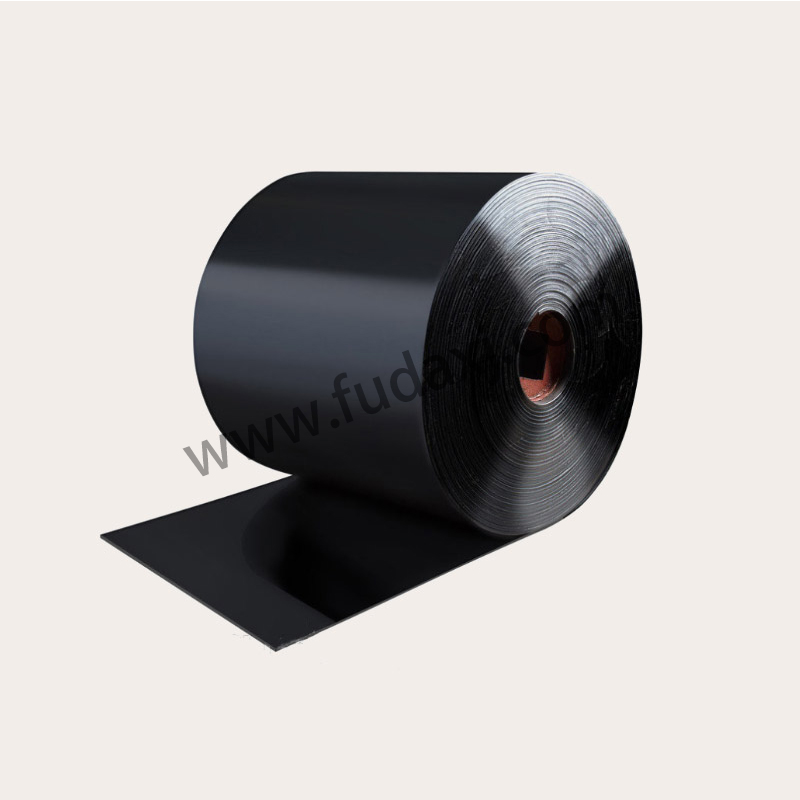
Across industries such as cement production, metal processing, foundries, and glass manufacturing, the need to move materials at elevated temperatures presents a significant engineering challenge. Addressing this challenge requires a specialized solution: the high temperature conveyor belt. This category of belt is engineered to maintain its structural integrity, flexibility, and performance while continuously transporting hot materials such as sinter, coke, castings, or hot ashes. The development and reliable operation of the high temperature conveyor belt are critical for process continuity and safety in numerous high-heat industrial environments.
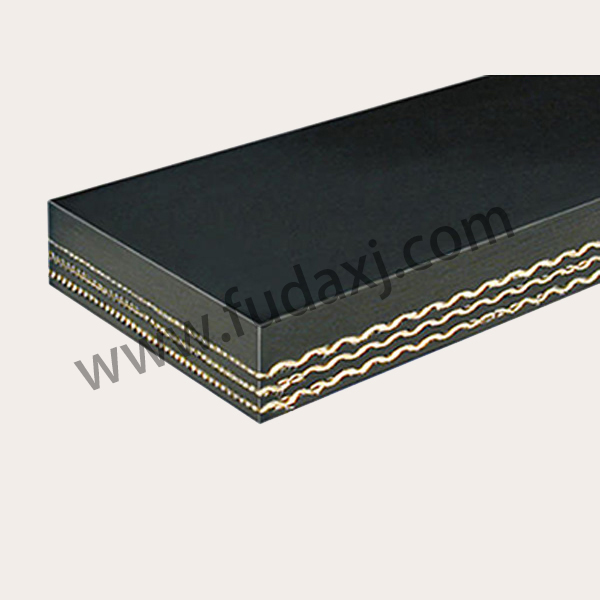
The design and material composition of a high temperature conveyor belt differ fundamentally from standard rubber belts. Prolonged exposure to heat causes conventional rubber to harden, crack, and lose its mechanical properties rapidly. Therefore, high temperature conveyor belt products utilize specialized elastomers and reinforcement materials. The cover compounds are often based on heat-resistant polymers like EPDM (ethylene propylene diene monomer) or specially formulated blends that can withstand continuous operating temperatures that may approach or, in some designs, exceed several hundred degrees Celsius. The carcass reinforcement must also resist thermal degradation, often using fabrics like aramid or specific types of treated steel cords that do not lose strength under thermal stress.
The applications for a high temperature conveyor belt are specific to processes involving heat. In cement plants, these belts transport hot clinker from the kiln to cooling systems. In steel mills and foundries, a high temperature conveyor belt may move hot sand, castings, or slag. Glass manufacturing uses these belts to handle hot cullet (recycled glass) and finished products during annealing. The high temperature conveyor belt is also essential in biomass and waste-to-energy plants for moving hot boiler ash. In each case, the belt is a critical link, often operating in harsh conditions where failure would cause major production disruption.
Selecting the appropriate high temperature conveyor belt requires careful analysis of the application's thermal profile. Key factors include the up to material temperature, the belt's continuous exposure temperature, the presence of thermal cycling (heating and cooling), and any additional environmental factors like abrasion or chemical exposure. Belts are rated for specific temperature ranges, and operating outside these limits can cause premature failure. The design also considers heat dissipation; some high temperature conveyor belt constructions include features to allow heat to escape from the carcass to prevent internal damage.
Performance and longevity depend on more than just the belt itself. Proper system design is crucial. This includes using heat-resistant idlers and pulleys, ensuring adequate ventilation around the conveyor structure to dissipate radiant heat, and employing effective sealing systems at loading points to prevent hot fines from lodging between the belt and pulleys. Regular inspection of a high temperature conveyor belt focuses on signs of cover cracking, ply separation, and edge wear, all of which can be accelerated by thermal aging.
Innovation in high temperature conveyor belt technology focuses on extending the upper limits of temperature resistance, improving energy efficiency by reducing the belt's thermal mass, and enhancing fire resistance for additional safety. Research into new polymer blends and composite materials aims to deliver belts with longer service life in the many demanding conditions. As industries push for higher process efficiencies and face increasingly stringent safety regulations, the role of the reliable high temperature conveyor belt becomes more pivotal.
 Tel:0086-576-83070118
 Fax: 0086-576-83019528
 fudaxj@163.com
 Hongshan industrial Zone,Hongchou, Tiantai,zhejiang,317210,China