 Working hours:Mon - Sat 8.00 - 18.00
 Call Us:0086-576-83070118
 English
 简体中文
 Español
 عرب

 English
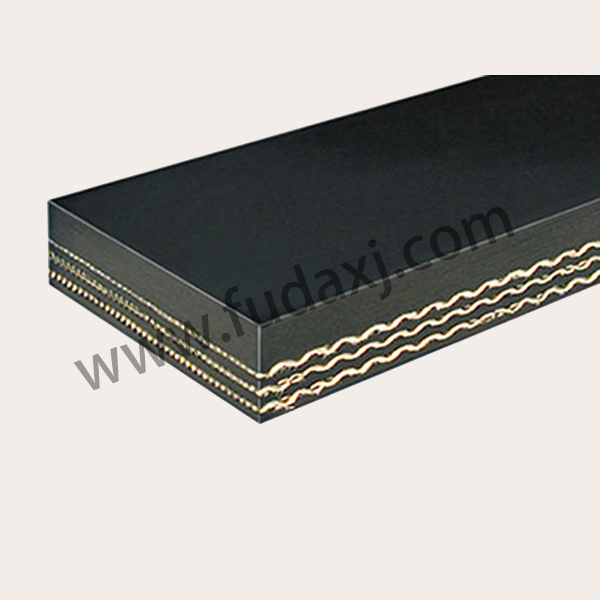
What Materials Does a Mining Conveyor Belt Transport?
Mining sites handle a wide range of bulk materials, and each type creates different demands on conveying equipment. Coal, iron ore, copper ore, limestone, and crushed rock are common materials transported by industrial conveyor systems.
Their physical properties influence belt selection. For example, large rocks with rough surfaces can create considerable friction against the belt cover. Fine mineral powders behave differently, particularly when they accumulate during loading and transfer.
A Mining conveyor belt can be configured for several transportation applications:
- Coal handling: Moving coal from extraction areas to crushing, screening, and storage sections.
- Iron ore transportation: Carrying extracted or processed ore between mining and processing facilities.
- Copper mining: Connecting material collection points with crushing and mineral processing equipment.
- Quarry operations: Transporting crushed stone, gravel, and other aggregates.
- Underground conveying: Moving extracted materials through designated underground transportation routes.
Understanding the material's particle size, bulk density, moisture content, and abrasiveness helps buyers identify suitable belt specifications.
Why Is the Rubber Cover Important?
The rubber cover is the outer layer that directly contacts transported materials. In mining applications, it plays an important role in resisting abrasion and protecting the internal reinforcement.
Different rubber compounds are used according to the working conditions. Abrasion-resistant rubber is commonly applied when transporting sharp rocks, crushed minerals, and other materials that create friction during movement.
Impact resistance is another consideration. At loading points, large pieces of ore may fall onto the belt from a certain height. The impact can place stress on the cover and internal carcass, making the belt structure relevant to the application.
Heat-resistant rubber may also be required when conveying materials exposed to elevated temperatures. Meanwhile, oil-resistant compounds can be considered for specific industrial environments where transported materials contain oily substances.
For buyers comparing a Mining conveyor belt, understanding the relationship between rubber cover properties and transported materials is more useful than evaluating belt dimensions alone.
Fabric Belt or Steel Cord Belt?
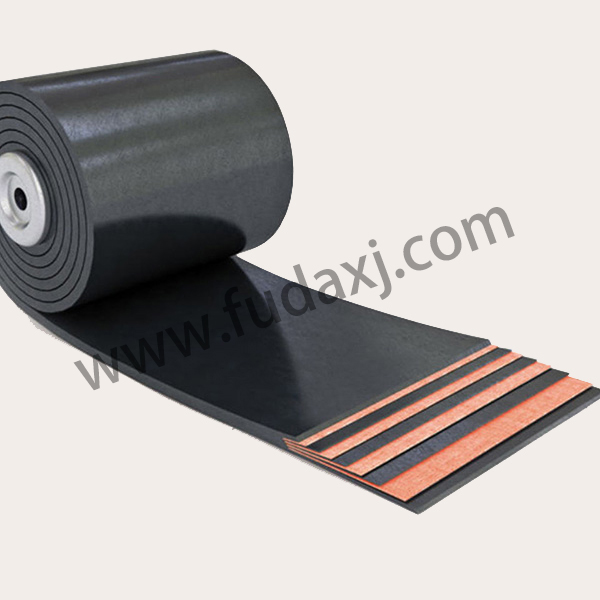
Reinforcement is another factor that distinguishes mining conveyor products. Fabric conveyor belts and steel cord conveyor belts are both used in industrial material transportation, but their structural characteristics suit different applications.
Fabric belts commonly use polyester and nylon reinforcement. Polyester provides tensile strength and relatively low elongation, while nylon offers flexibility and resistance to repeated bending. These belts are frequently used in medium-distance conveying applications and different mining transportation sections.
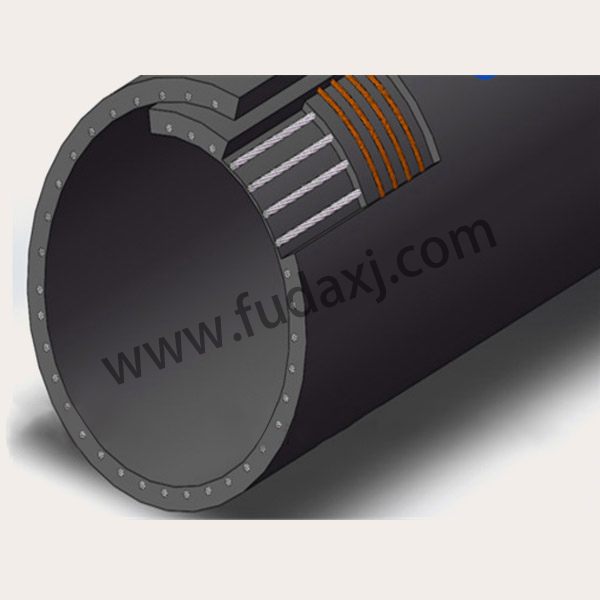
Steel cord belts use longitudinal steel cables embedded within rubber layers. This construction supports high tensile loads and is suitable for long-distance transportation, large conveying capacities, and certain demanding mining installations.
The choice between these structures depends on conveying distance, material volume, conveyor design, and operating conditions. A Mining conveyor belt should have reinforcement specifications that correspond to the actual load requirements of the system.
How Do Conveyor Angles and Belt Surfaces Affect Transport?
Mining conveyor systems are not always installed on flat ground. Some routes involve inclined sections that connect lower extraction areas with elevated processing or storage facilities.
The conveying angle influences how materials behave on the belt surface. When the inclination increases, loose materials may slide backward, particularly when handling fine particles or irregularly shaped aggregates.
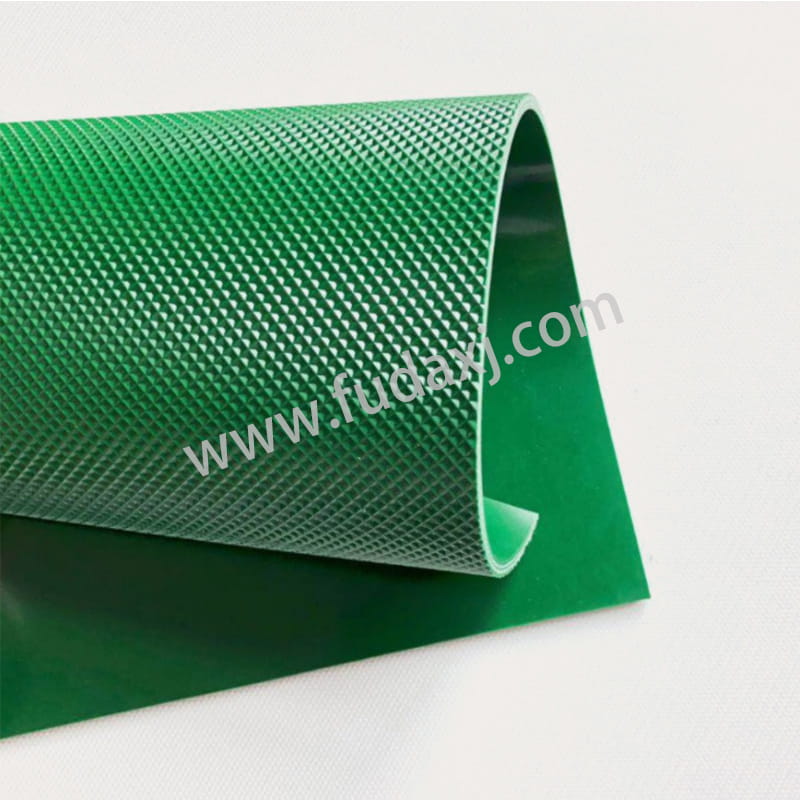
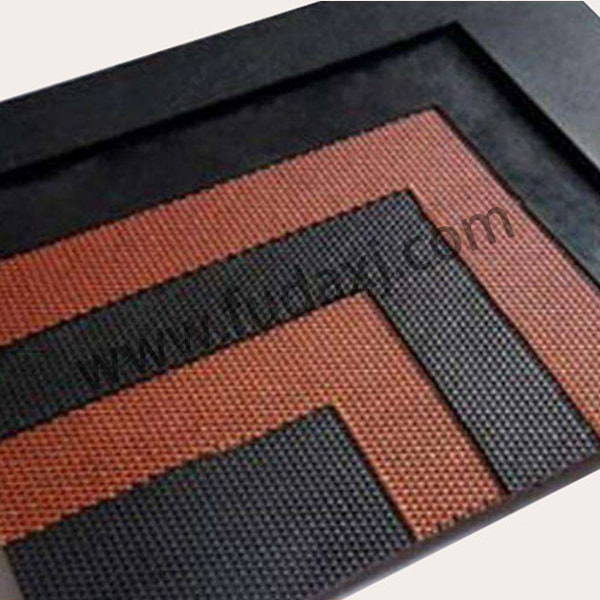
Different surface designs can address these application requirements. Flat rubber covers are commonly used for horizontal transportation, while chevron patterns and other textured surfaces can provide additional grip for inclined conveying.
Belt width and speed also influence transportation capacity. A wider belt can accommodate a larger material flow under suitable loading conditions, while belt speed affects how quickly materials move between different production sections.
These factors need to work together when configuring a Mining conveyor belt for a specific mining operation.
 Tel:0086-576-83070118
 Fax: 0086-576-83019528
 fudaxj@163.com
 Hongshan industrial Zone,Hongchou, Tiantai,zhejiang,317210,China
