 Working hours:Mon - Sat 8.00 - 18.00
  Call Us:0086-576-83070118
 English
 简体中文
简体中文 Español
 عرب
عرب
 English
Why Load Capacity Shapes The Entire Design
Unlike a conveyor belt moving packages in a warehouse, a mining conveyor belt often carries material that's heavy, sharp-edged, and produced in continuous, high-volume flow. This changes almost every aspect of how the belt gets engineered. Belt thickness, internal reinforcement, and surface material all need to account for constant impact from falling ore or rock as it's loaded onto the belt at various points along the line.
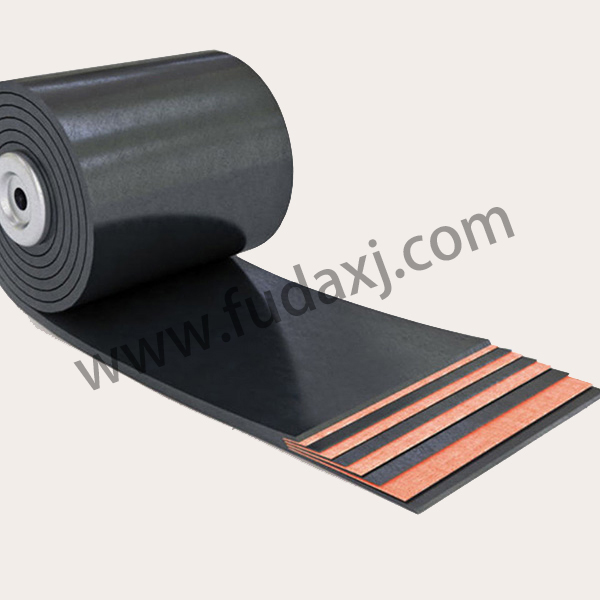
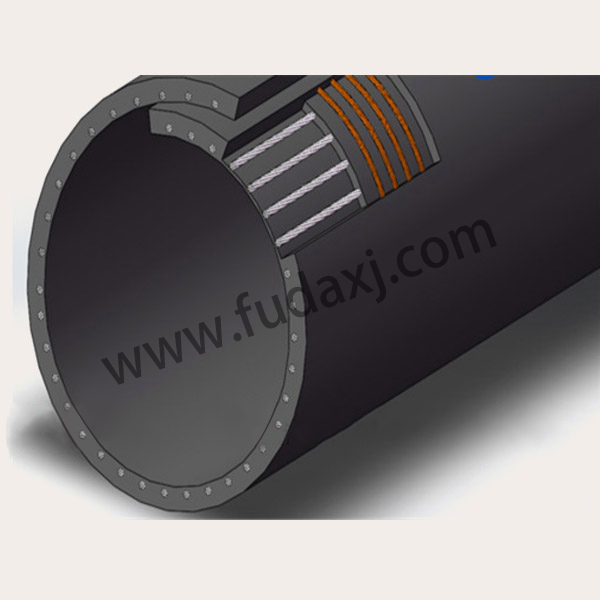
Reinforcement layers inside the belt play a particularly important role here. Steel cords or fabric plies embedded within the rubber compound give the belt enough tensile strength to handle the pulling force required to move heavy loads over long distances, sometimes spanning several kilometers within a single mining operation.
Common Layers Found In A Mining Belt
A mining conveyor belt isn't just a single sheet of rubber; it's a layered structure where each component serves a specific function. Typical construction includes:
- A top cover layer designed to resist abrasion from sharp or heavy material
- Internal reinforcement plies, often steel cord or synthetic fabric, providing tensile strength
- A bottom cover layer that protects against wear from rollers and pulleys
- Edge reinforcement along the belt's sides to prevent fraying or splitting under tension
The thickness and material composition of each layer typically depends on what the belt will be transporting and how far it needs to travel, since a belt hauling crushed rock faces different stress than one moving finer material like coal dust.
How Incline And Route Affect Belt Selection
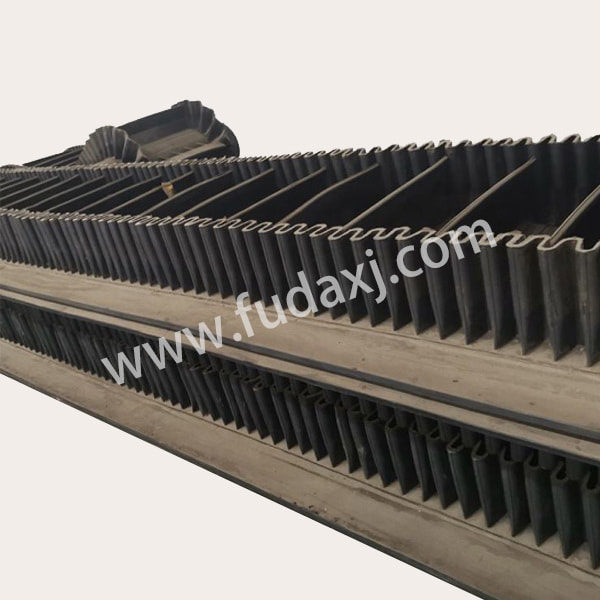
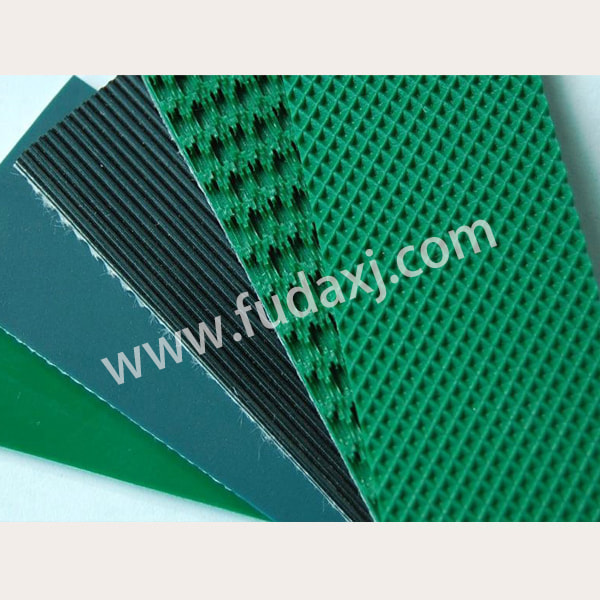
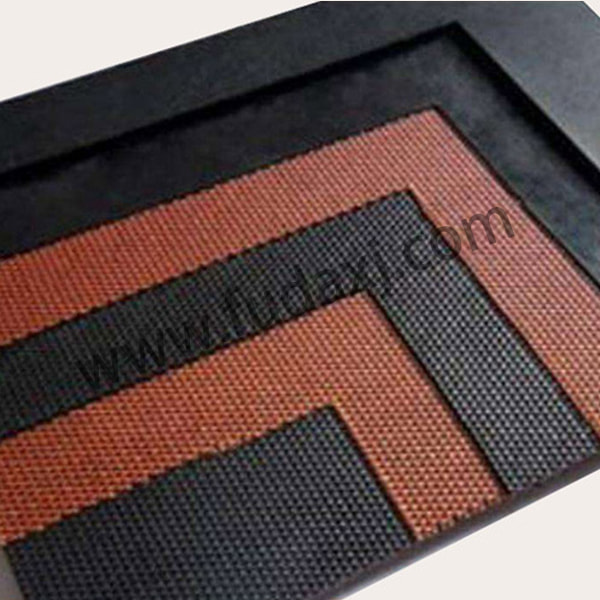
Mining sites rarely offer flat, straight paths for material transport. Conveyor routes often need to climb inclines, curve around obstacles, or navigate underground tunnels with limited clearance. A mining conveyor belt built for steep inclines usually incorporates a textured or cleated surface pattern that prevents material from sliding backward as it moves upward, something a smooth-surfaced belt would struggle to manage on anything beyond a gentle slope.
Curved sections of a conveyor route also introduce specific design considerations. Belts running through curved paths need enough lateral flexibility to bend without losing structural integrity, which affects both the reinforcement pattern and the overall belt width selected for that section of the system.
Materials Commonly Transported
The range of material a mining conveyor belt might carry varies significantly depending on the type of operation. Common examples include:
- Crushed ore extracted from underground or open-pit mining sites
- Coal moving from extraction points toward processing or storage areas
- Aggregate materials like gravel or crushed stone from quarry operations
- Overburden material removed during the early stages of surface mining
Each material type places different demands on the belt, with sharper, denser materials like crushed ore generally requiring thicker cover layers compared to lighter aggregate or processed coal.
Belt Width And Speed Considerations
Beyond material composition, belt width and operating speed play a significant role in how much a mining conveyor belt can move within a given timeframe. Wider belts generally accommodate higher volume per cycle, which matters in operations moving large quantities of material continuously throughout a shift. Speed adjustments, meanwhile, help balance throughput against wear, since running a belt too fast can increase material spillage and accelerate surface wear on both the belt and its supporting rollers.
Operators typically calculate an appropriate width and speed combination based on projected tonnage requirements, factoring in how the belt's incline, curve sections, and loading points might affect overall efficiency along the route.
 Tel:0086-576-83070118
 Fax: 0086-576-83019528
 fudaxj@163.com
 Hongshan industrial Zone,Hongchou, Tiantai,zhejiang,317210,China