 Working hours:Mon - Sat 8.00 - 18.00
  Call Us:0086-576-83070118
 English
 简体中文
简体中文 Español
 عرب
عرب
 English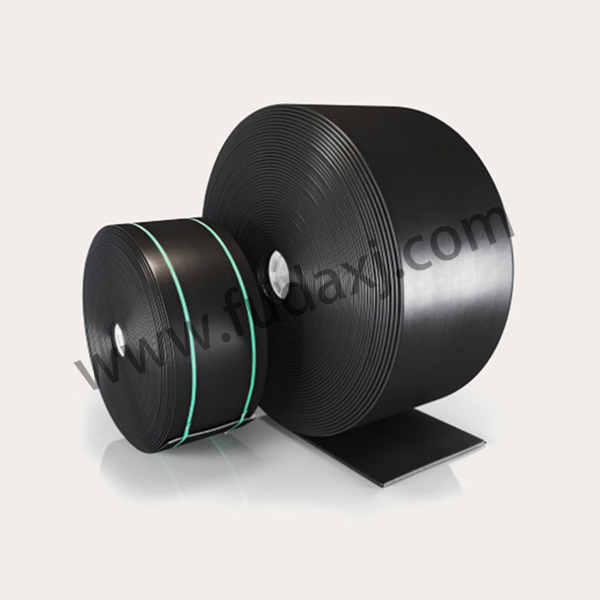
What a Rubber Conveyor Belt Actually Does
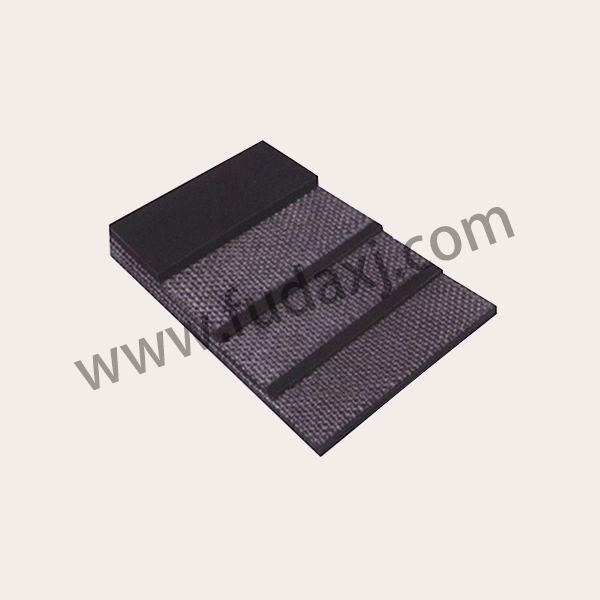
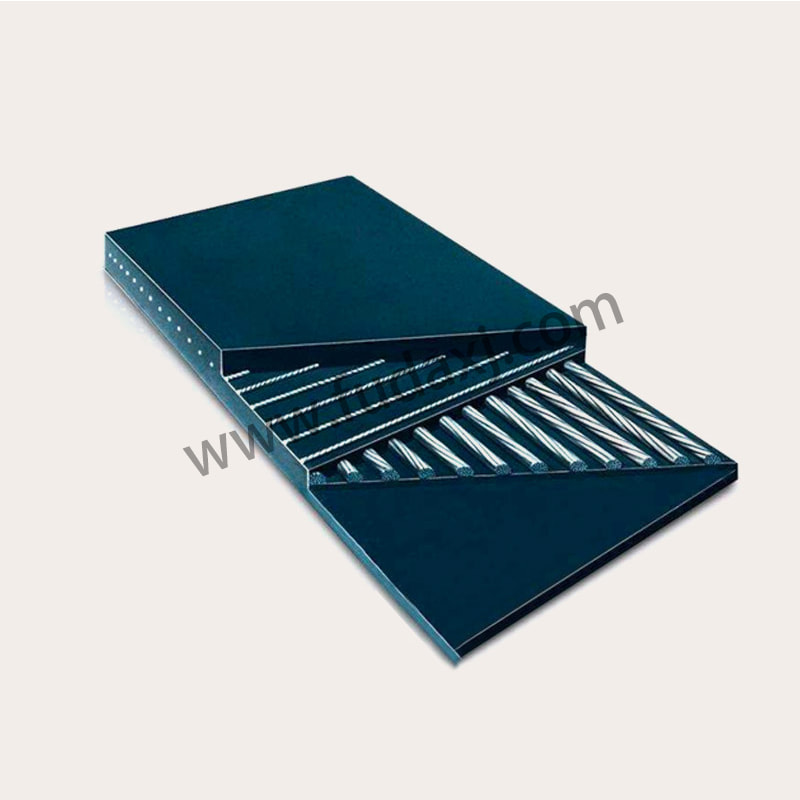
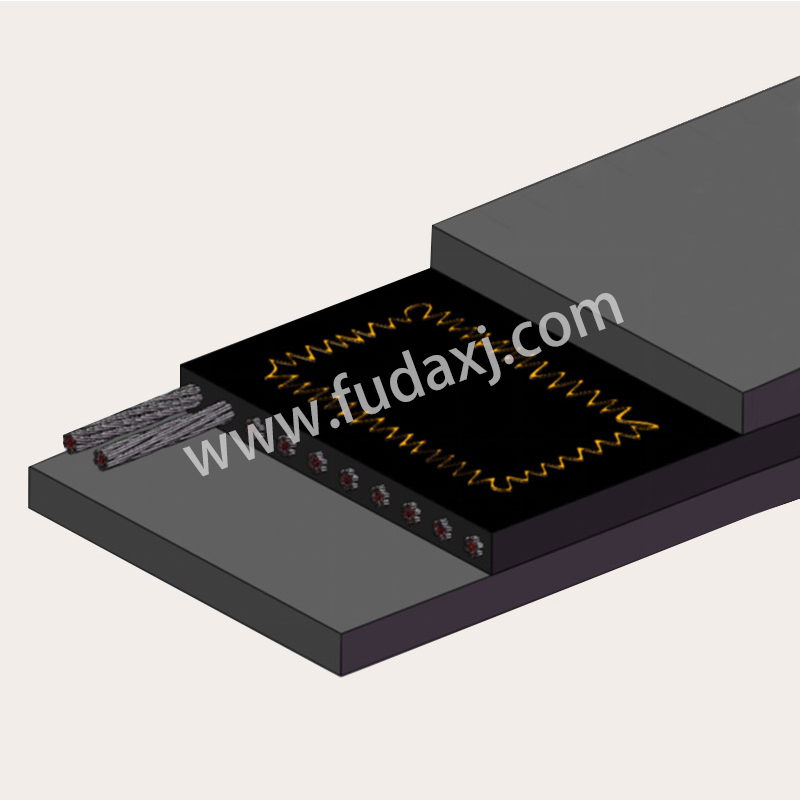
At its core, a rubber conveyor belt is a continuous loop stretched across a series of rollers or pulleys, designed to carry materials — anything from loose gravel to packaged goods — along a fixed path. The rubber composition gives it flexibility, grip, and a certain resilience against wear that other materials sometimes struggle to match. Manufacturers typically layer the belt with fabric or steel reinforcement inside the rubber, which helps it hold tension and resist stretching over time.
The surface itself can vary quite a bit depending on what's being transported. Smooth-top belts work well for boxes, bags, and packaged items sliding along a flat line. Textured or cleated surfaces come into play when the load is loose, uneven, or prone to sliding backward on an incline — think crushed stone, sand, or agricultural grain.
Where These Belts Show Up
Rubber conveyor belt systems aren't confined to one type of facility. Mining operations use them to move ore and aggregate across long distances, sometimes stretching for miles between extraction points and processing plants. Food processing lines rely on a different grade entirely, often food-safe rubber compounds that meet hygiene expectations while still holding up to constant washdowns.
Then there's the logistics side — parcel sorting centers, airport baggage handling, retail distribution hubs — where belts run almost continuously, moving thousands of items an hour. Construction and demolition sites use heavier-duty variants to haul rubble and debris. Even recycling centers depend on rubber belts to sort and transport separated materials through different stages of processing.
Each of these settings puts different stress on the belt. A quarry belt deals with sharp, abrasive rock. A food plant belt deals with moisture and temperature swings. A parcel belt deals with sheer volume and constant starts and stops. Manufacturers generally build different rubber formulations and reinforcement layers to match each scenario, rather than offering one belt that tries to do everything.
Why Buyers Choose Rubber Over Other Materials
Plenty of alternatives exist — PVC, PU, modular plastic, even fabric-only belts for lighter applications. So why does rubber still hold ground? Part of it comes down to flexibility paired with toughness. Rubber can bend around pulleys without cracking, absorb some shock from heavy or irregular loads, and resist abrasion reasonably well when the compound is right.
Temperature tolerance matters too. Certain rubber blends are formulated to handle heat exposure near ovens or kilns, while others are built for cold storage environments. Buyers sourcing for OEM or ODM production lines often look for this kind of flexibility in formulation, since a single supplier might need to cover several different operating conditions across their client base.
Cost also plays a role, though not in the way people always expect. Rubber belts tend to offer a reasonable balance between upfront investment and how long they hold up under continuous use, which matters a lot to procurement teams managing large-scale equipment budgets.
Key Considerations Before Sourcing
For buyers evaluating suppliers, a few practical questions tend to come up early. What's the expected load — is it heavy and abrasive, or light and consistent? What incline angle will the belt operate at, since steeper inclines usually call for cleated or ribbed surfaces? Will the belt be exposed to oil, chemicals, or extreme temperatures?
Width and thickness matter as well, and these vary widely depending on application. A rubber conveyor belt built for a small packaging line looks nothing like one designed for aggregate haulage. Buyers working on OEM projects often request custom widths, splice types, or reinforcement layers to match existing equipment rather than sourcing a generic off-the-shelf option.
 Tel:0086-576-83070118
 Fax: 0086-576-83019528
 fudaxj@163.com
 Hongshan industrial Zone,Hongchou, Tiantai,zhejiang,317210,China