 Working hours:Mon - Sat 8.00 - 18.00
  Call Us:0086-576-83070118
 English
 简体中文
简体中文 Español
 عرب
عرب
 English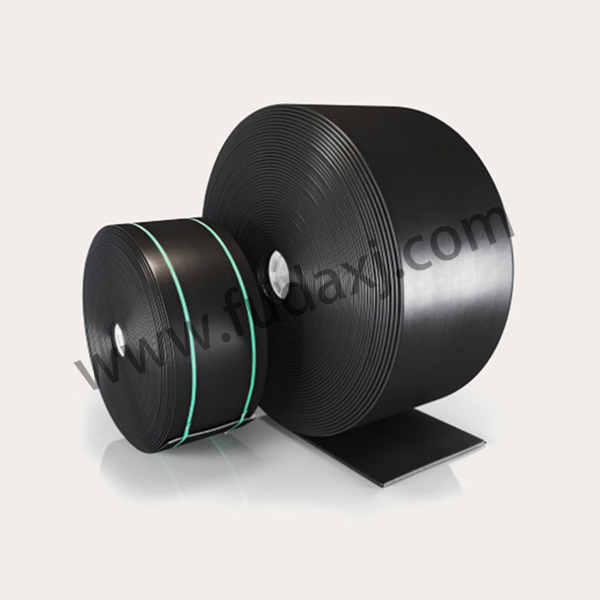
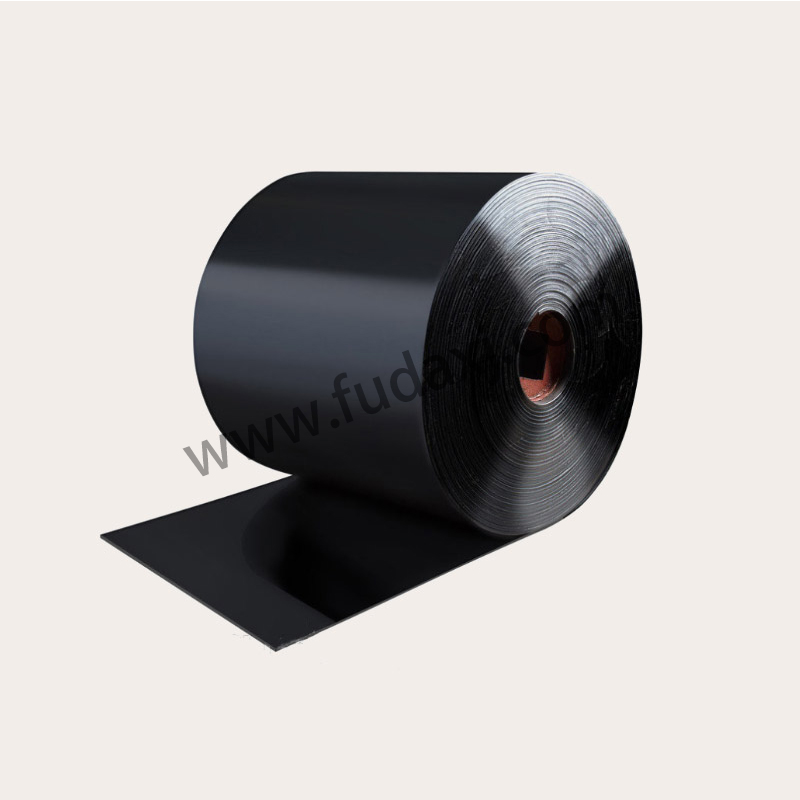
The industrial material handling sector relies heavily on efficient transport systems, and among the essential components of these systems is the rubber conveyor belt. Used across mining, manufacturing, logistics, and agriculture, the rubber conveyor belt provides a durable and reliable method for moving bulk materials and finished products. The continued development of rubber conveyor belt technology reflects the ongoing demand for systems that can withstand demanding operating conditions while maintaining consistent performance.
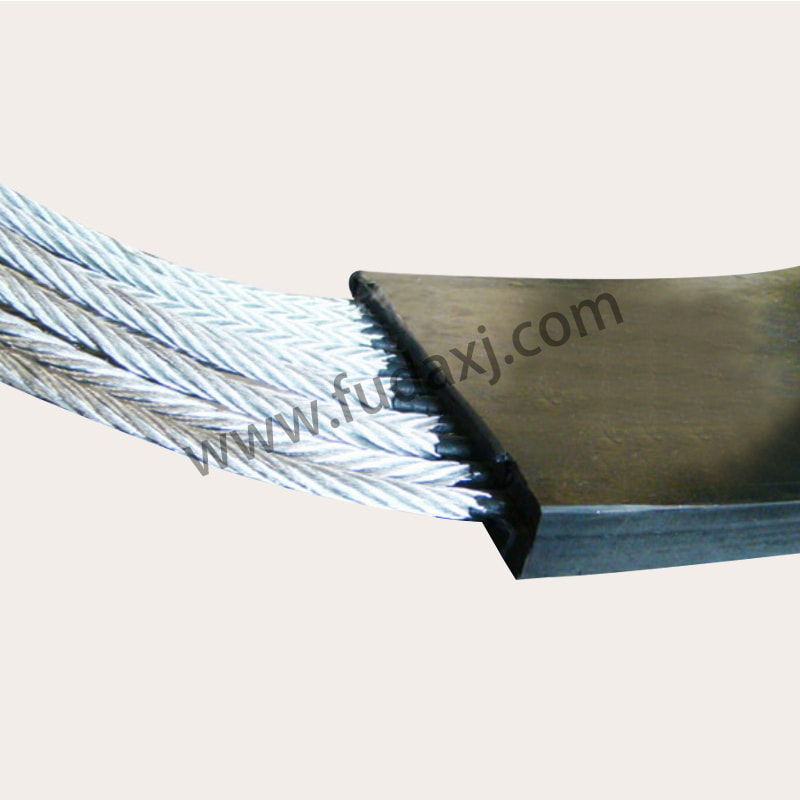
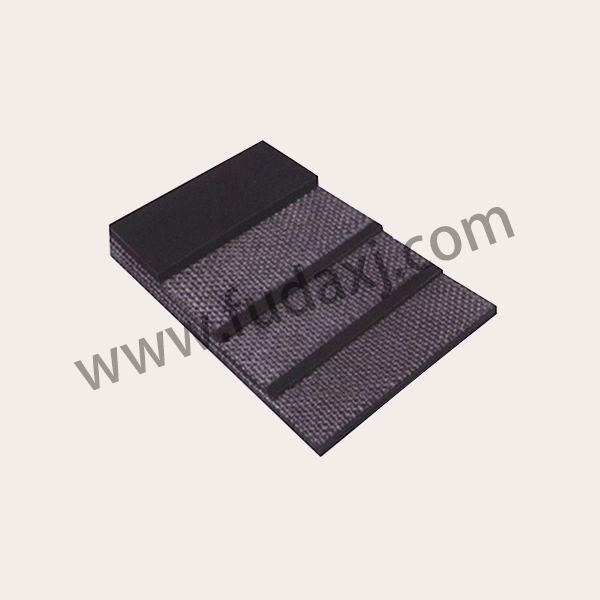
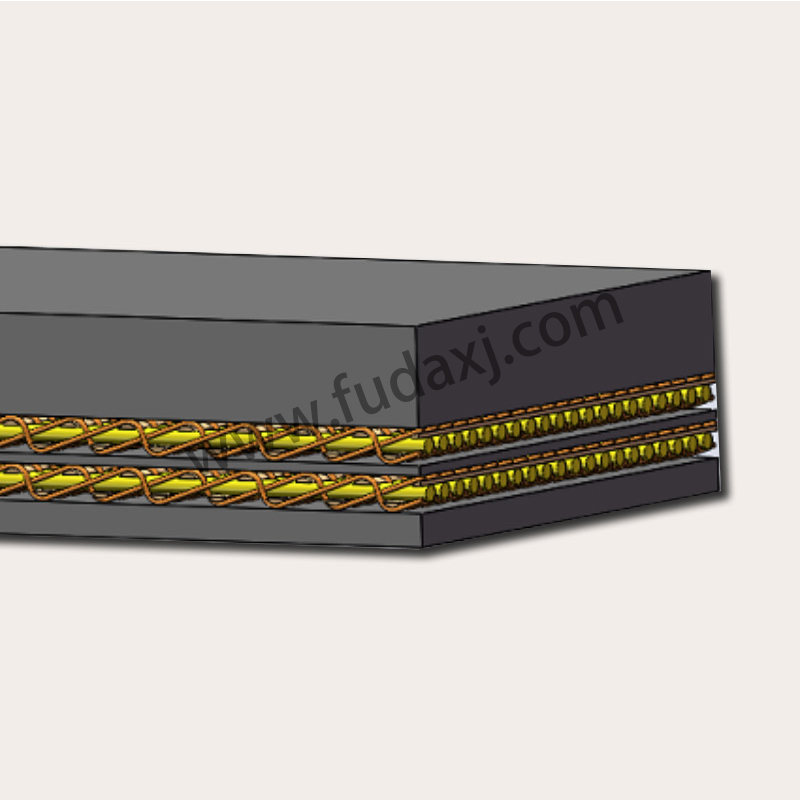
The construction of a rubber conveyor belt involves multiple layers designed to provide specific performance characteristics. The cover rubber, typically formulated for resistance to abrasion, cutting, or oil exposure depending on the application, protects the belt’s internal structure. Reinforcement layers, often comprising fabric or steel cord, provide tensile strength to support loads and resist stretching. A properly engineered rubber conveyor belt balances these components to achieve durability appropriate for the intended application. This layered construction allows rubber conveyor belt products to be tailored to specific material handling requirements.
Mining and aggregate operations represent significant application areas for rubber conveyor belt systems. These environments subject belts to heavy loads, sharp materials, and continuous operation. A rubber conveyor belt used in these settings must resist impact damage from falling materials and abrasion from sharp-edged ores or aggregates. Heavy-duty rubber conveyor belt designs incorporate thick cover grades and robust reinforcement to extend service life under these demanding conditions. Operators in these industries monitor rubber conveyor belt condition closely, as unplanned belt failures can interrupt production schedules.
The manufacturing sector utilizes rubber conveyor belt systems for assembly lines and product transport. In these applications, the rubber conveyor belt often handles finished goods or components where surface protection is a consideration. Rubber conveyor belt materials selected for manufacturing environments may feature smooth surfaces that less product marking. The ability of a rubber conveyor belt to maintain tracking and alignment contributes to efficient production flow, as misalignment can cause product damage or require manual intervention.
Agricultural operations benefit from rubber conveyor belt systems designed for handling crops and bulk materials. Rubber conveyor belt products used in agriculture must perform reliably in outdoor conditions, including temperature variations and exposure to moisture. Some agricultural rubber conveyor belt configurations incorporate features that facilitate cleaning and reduce material buildup. The versatility of rubber conveyor belt systems allows for customization to suit specific crop handling requirements.
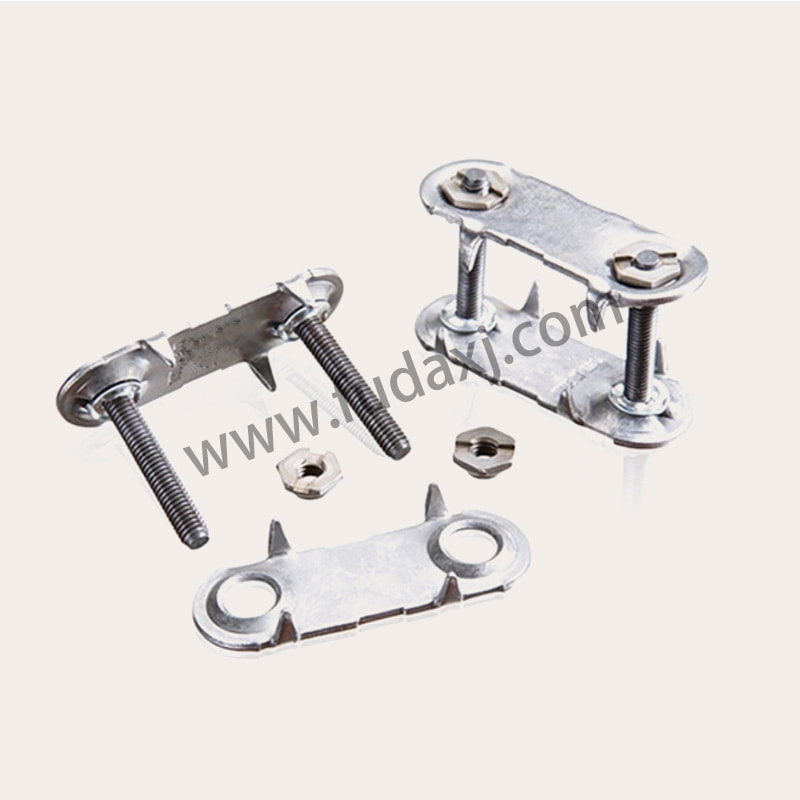
Maintenance practices significantly influence rubber conveyor belt service life. Regular inspection for edge wear, cover damage, and splice integrity helps identify potential issues before they cause belt failure. Proper tensioning and alignment of rubber conveyor belt systems reduce uneven wear and extend operational life. When damage occurs, field repair techniques allow for rubber conveyor belt restoration without complete replacement in many cases, small downtime for continuous operations.
The rubber conveyor belt market is expected to maintain steady demand as industrial operations continue to require efficient material transport. Advances in rubber compounding and reinforcement materials may yield belts with improved durability and reduced maintenance requirements. For industries that depend on continuous material flow, the rubber conveyor belt remains a fundamental component of operational infrastructure.
 Tel:0086-576-83070118
 Fax: 0086-576-83019528
 fudaxj@163.com
 Hongshan industrial Zone,Hongchou, Tiantai,zhejiang,317210,China