 Working hours:Mon - Sat 8.00 - 18.00
  Call Us:0086-576-83070118
 English
 简体中文
简体中文 Español
 عرب
عرب
 English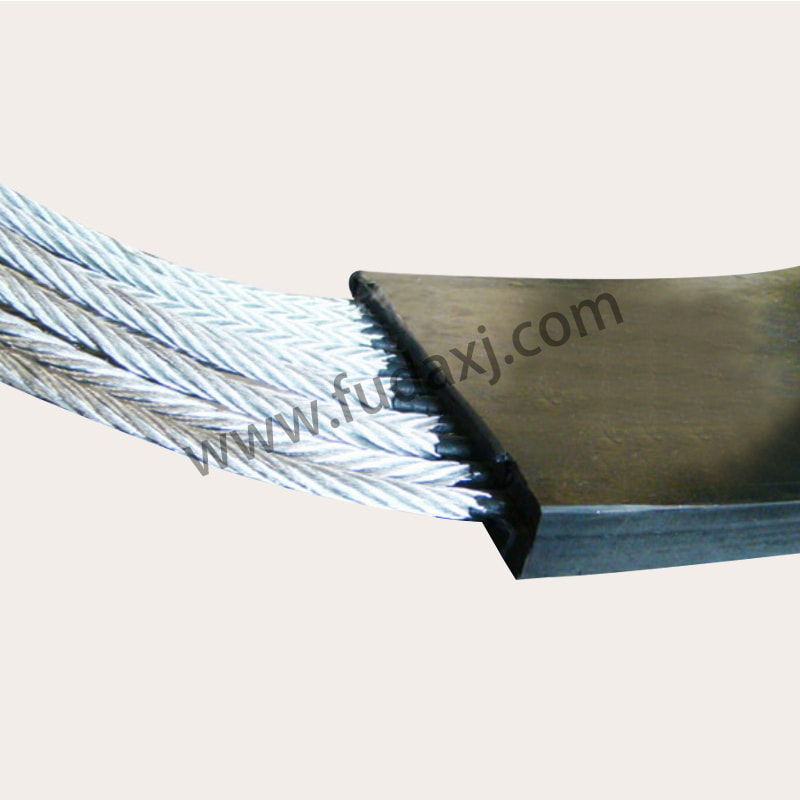
Some conveyor belts are built for light, steady work — moving boxes across a warehouse floor or shuffling parcels through a sorting line. Steel cord conveyor belt systems occupy a different category entirely. These are the belts running underground in mines, hauling ore across open-pit operations, or stretching for kilometers at cement plants and power stations. When the load gets heavy and the distance gets long, steel cord construction tends to be the answer.
What Makes It Different
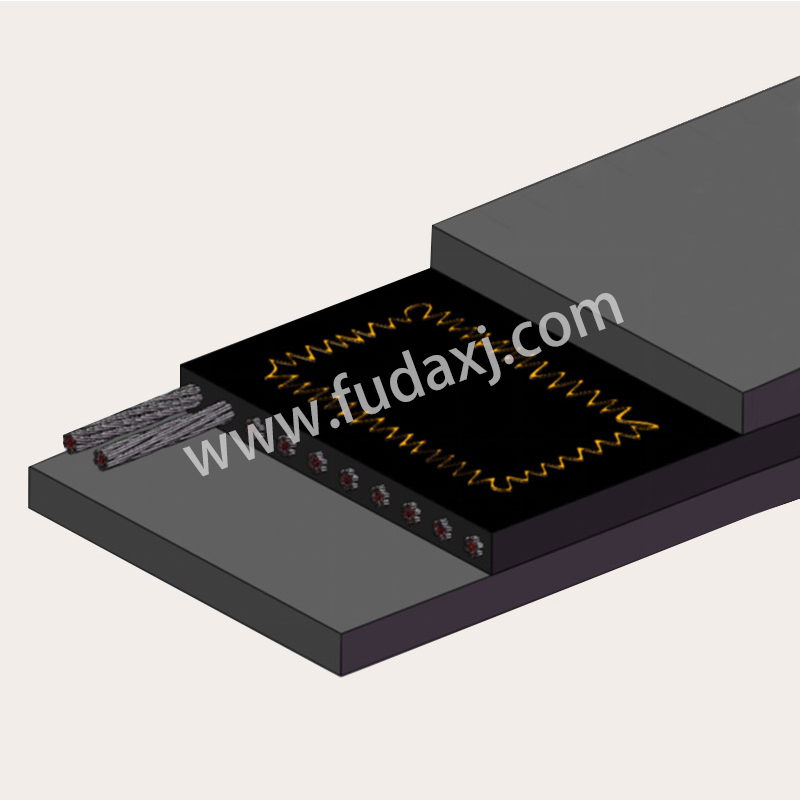
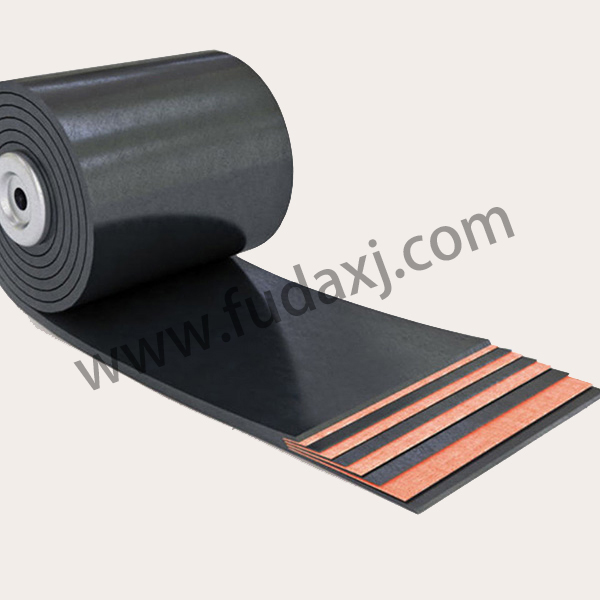
Instead of relying purely on woven fabric plies for tensile strength, a steel cord conveyor belt embeds parallel steel cables inside the rubber core, running lengthwise along the belt. These cords act as the backbone, carrying the pulling force while the rubber cover protects against abrasion, moisture, and impact from falling material.
This construction gives the belt a much higher strength-to-thickness ratio compared to fabric-ply alternatives. A steel cord belt can be thinner overall while still carrying loads that would stretch or fatigue a fabric belt over time. That matters when a conveyor system spans a long distance, since even small amounts of elongation add up across hundreds or thousands of meters.
Where Steel Cord Belts Get Put to Work
- Underground and open-pit mining, where belts haul coal, ore, or aggregate across long inclines
- Cement and lime production, moving raw material from quarry to processing plant
- Port and bulk terminal operations, transferring materials between ships, storage, and rail
- Power generation facilities, feeding coal or biomass into boilers continuously
- Large-scale aggregate and quarry sites with steep gradients or extended horizontal runs
In each of these settings, the belt often runs nonstop for extended shifts, carrying tons of material per hour. Fabric belts can struggle to keep pace with that kind of continuous tension, which is part of why steel cord versions show up so consistently in these industries.
Splicing and Structure
One area where steel cord belts differ noticeably from other types is splicing. Because the cables need to overlap and bond properly to maintain strength across the joint, splicing a steel cord belt is a more involved process than joining a fabric-ply belt. The cords are typically staggered in a stepped pattern, then vulcanized together so the joint carries load nearly as well as the rest of the belt.
Buyers sourcing these belts for OEM or ODM projects often need to specify cord diameter, spacing, and rubber cover thickness based on the exact application. A belt built for coal handling won't necessarily match the specification needed for a cement plant's aggregate line, even if both fall under the "steel cord" category broadly.
Handling Heavy and Abrasive Loads
Rubber cover formulation plays a big role in how well a steel cord conveyor belt performs under abrasive or impact-heavy conditions. Thicker top covers help resist wear from sharp aggregate or ore, while impact-resistant rubber blends absorb shock at loading points where material drops onto the belt from a height. Some applications also call for heat-resistant or oil-resistant covers, depending on what's being transported.
Width and belt strength ratings vary quite a bit depending on load volume and incline angle. A steeper conveyor run generally needs higher-tension steel cords to keep the belt from slipping or stretching under the pull of gravity combined with the material load.
 Tel:0086-576-83070118
 Fax: 0086-576-83019528
 fudaxj@163.com
 Hongshan industrial Zone,Hongchou, Tiantai,zhejiang,317210,China