 Working hours:Mon - Sat 8.00 - 18.00
  Call Us:0086-576-83070118
 English
 简体中文
简体中文 Español
 عرب
عرب
 English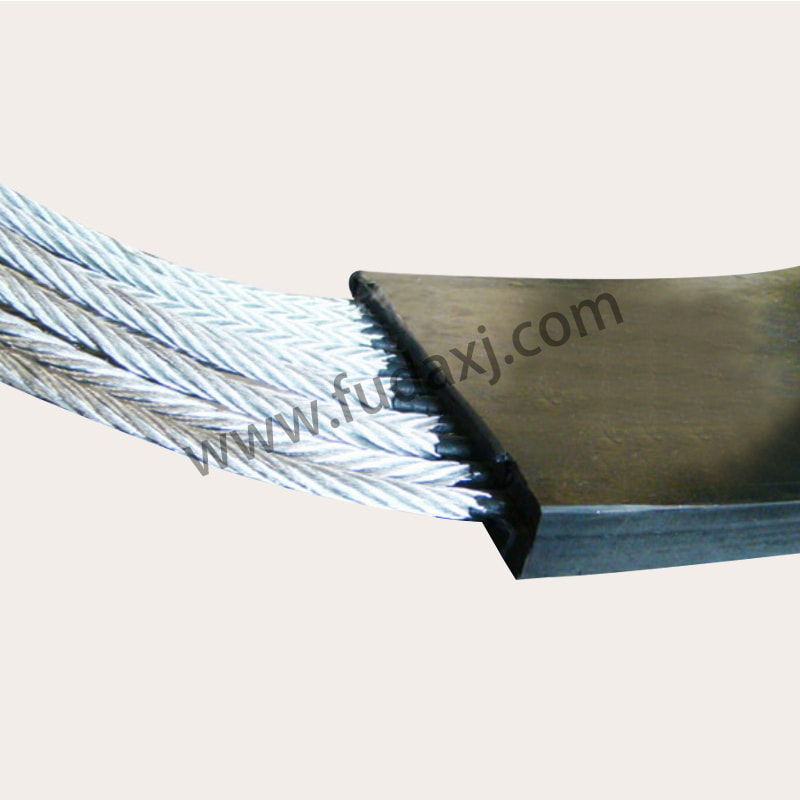
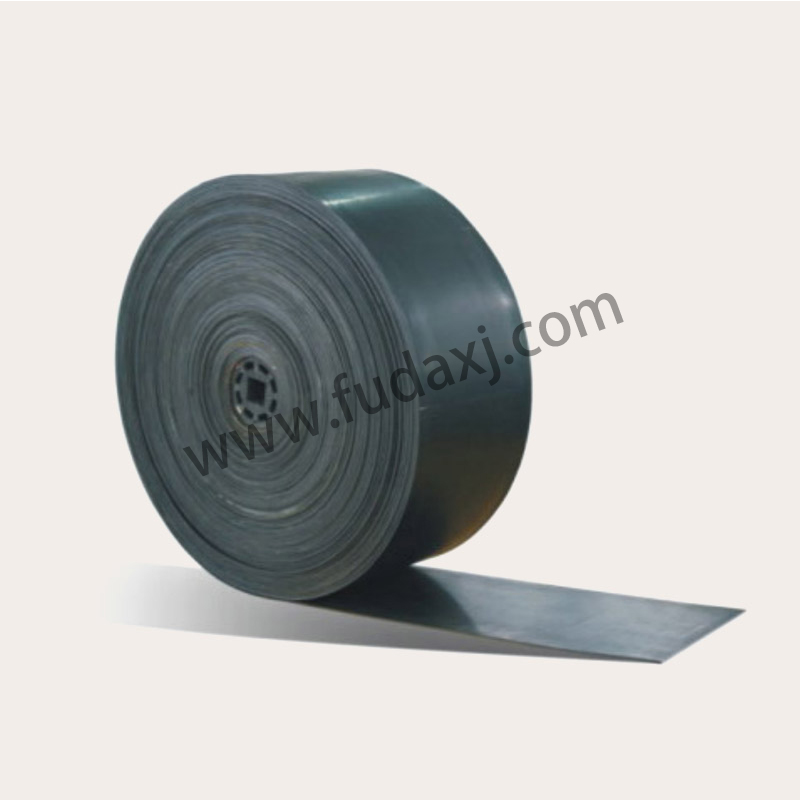
The industrial material handling sector continues evolving with steel cord conveyor belt emerging as important technology for long-distance, high-capacity transport of bulk materials across mining, cement, and heavy industrial applications worldwide. This specialized belting, reinforced with steel cables embedded within the rubber construction, provides exceptional tensile strength and impact resistance necessary for demanding operations where conventional fabric-reinforced belts would fail. The growing reliance on steel cord conveyor belt reflects industry requirements for reliable, high-performance material handling solutions.
Mining operations represent the primary market for steel cord conveyor belt products, where these heavy-duty systems transport extracted materials over considerable distances from excavation sites to processing facilities. The enormous tensile strength of steel cord conveyor belt enables single-flight conveyor lengths impossible with fabric-reinforced alternatives, reducing transfer points and simplifying material handling infrastructure. This capability proves particularly valuable in remote mining locations where equipment reliability directly affects project economics.
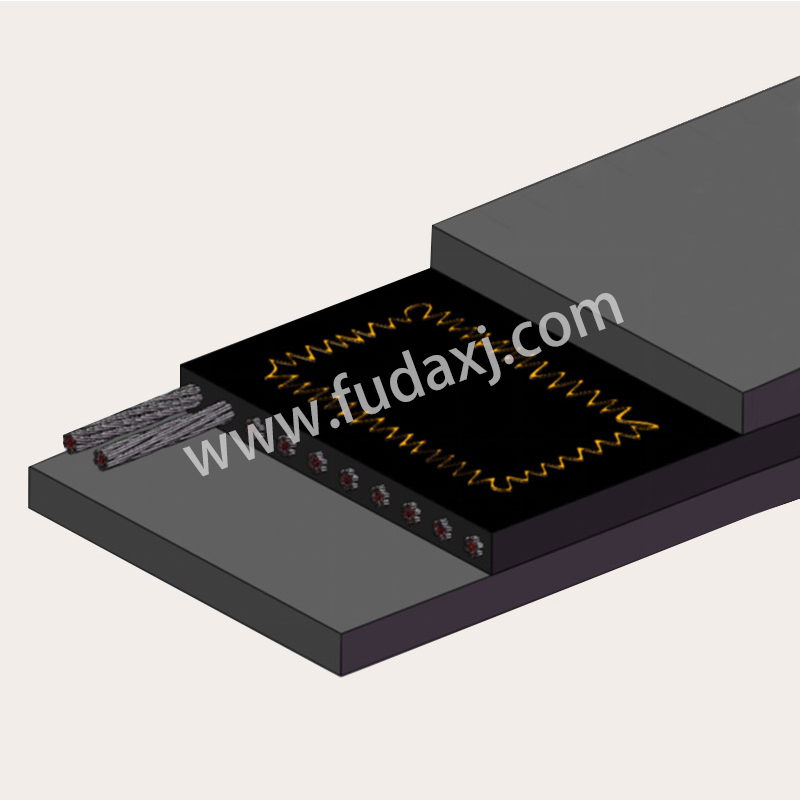
The construction of quality steel cord conveyor belt involves precision engineering of both steel reinforcement and rubber compounds. Individual steel cables, typically brass-plated for rubber adhesion, are embedded in precise parallel alignment within the belt carcass, providing uniform strength distribution. The rubber cover compounds protecting steel cord conveyor belt must resist abrasion from sharp materials, cutting from impact, and deterioration from environmental exposure including ozone and ultraviolet radiation.
Cement and aggregate industries depend on steel cord conveyor belt for moving raw materials through production processes. Limestone, clay, and other heavy materials subject conventional belts to stresses requiring the predominant strength of steel cord construction. These applications often involve significant elevation changes where the dimensional stability of steel cord conveyor belt prevents stretch that would cause tracking problems and premature failure.
Port and terminal operations handling bulk commodities utilize steel cord conveyor belt for ship loading and unloading, stockyard management, and intermodal transfer. The long service life and reliability of steel cord conveyor belt prove important for continuous port operations where unscheduled downtime creates significant economic consequences. High-volume facilities processing thousands of tons daily depend on steel cord conveyor belt systems meeting demanding capacity requirements.
Power generation facilities, particularly coal-fired plants, rely on steel cord conveyor belt for fuel handling from delivery points to storage and boiler feed systems. The abrasiveness of coal and the continuous operation typical of power generation demand belt constructions combining strength with wear resistance. Steel cord conveyor belt meets these requirements while providing the reliability important for plants operating around demanding schedules.
The engineering of splice connections for steel cord conveyor belt represents a critical aspect of system performance and reliability. Unlike fabric belts that can be mechanically fastened, steel cord conveyor belt typically requires vulcanized splices that restore full strength across the joint. Proper splice design and execution prove important for achieving the long service life and reliability that justify steel cord conveyor belt investment.
Research continues advancing steel cord conveyor belt technology toward enhanced capabilities. Improved rubber compounds extend service life in abrasive applications while maintaining flexibility necessary for proper troughing. Advanced monitoring systems detect cord damage before catastrophic failure occurs. These developments ensure steel cord conveyor belt remains important for heavy industrial applications demanding up to material handling performance and reliability under bad conditions.
 Tel:0086-576-83070118
 Fax: 0086-576-83019528
 fudaxj@163.com
 Hongshan industrial Zone,Hongchou, Tiantai,zhejiang,317210,China