 Working hours:Mon - Sat 8.00 - 18.00
  Call Us:0086-576-83070118
 English
 简体中文
简体中文 Español
 عرب
عرب
 English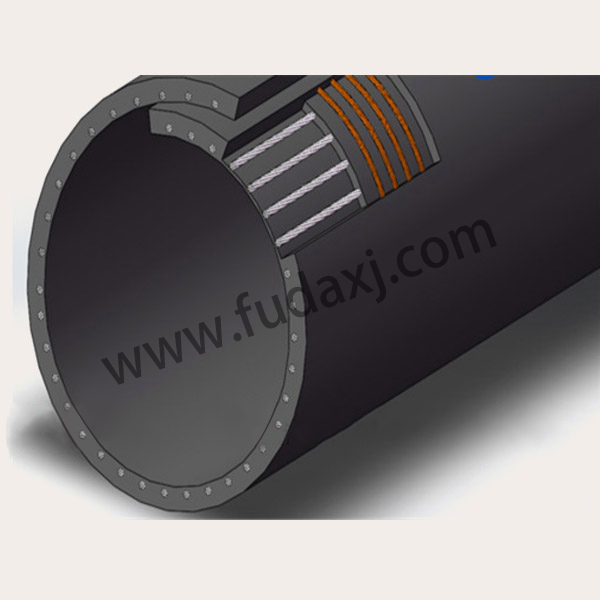
The steel cord conveyor belt has become a critical component in industries that move large volumes of bulk materials. Unlike fabric-reinforced belts, the steel cord conveyor belt uses thin steel cables running along its length to provide tensile strength. This construction allows the steel cord conveyor belt to handle heavier loads over longer distances without stretching or breaking. Mining operations, port facilities, and aggregate processing plants often rely on the steel cord conveyor belt to transport ore, coal, gravel, or grain. Without a dependable belt, production lines would face frequent stoppages and increased maintenance costs. The steel cord conveyor belt addresses these challenges by offering a combination of strength, durability, and impact resistance that suits demanding environments.
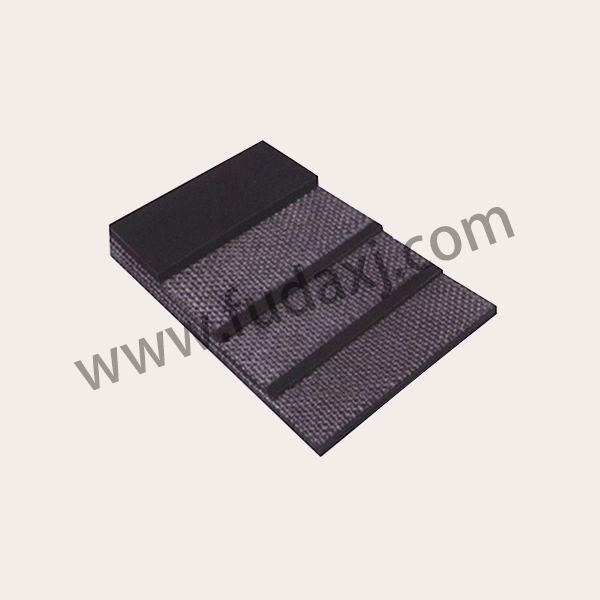
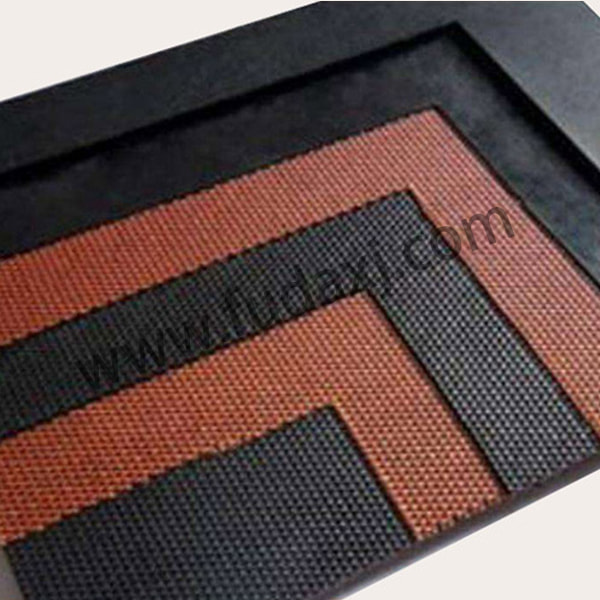
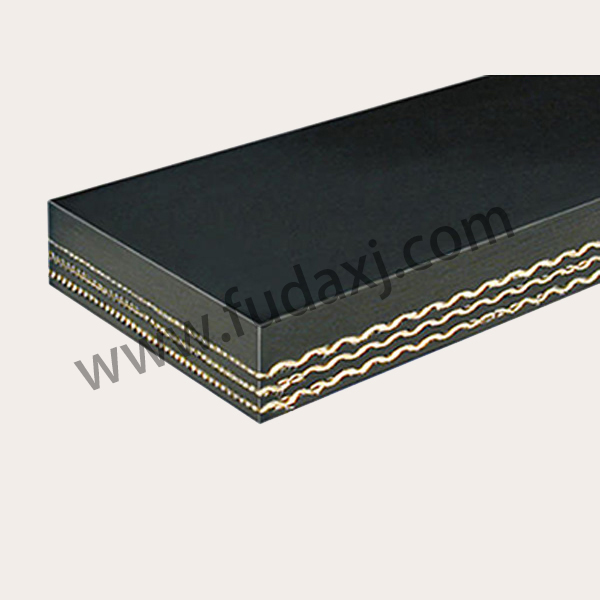
The internal structure of a steel cord conveyor belt consists of three main layers. The top and bottom covers are made from rubber compounds that protect the inner reinforcement. Between these covers lies the core of the steel cord conveyor belt, which contains parallel steel cords embedded in a rubber matrix. Each steel cord is typically made of multiple fine wires twisted together, similar to a small wire rope. The rubber that surrounds the steel cords in a steel cord conveyor belt bonds to both the cords and the outer covers. This bonding prevents the cords from shifting independently when the belt flexes around pulleys. The spacing and diameter of the steel cords are selected based on the required working tension of the steel cord conveyor belt. For higher tension applications, engineers specify a belt with larger cords or closer spacing.
Manufacturing a steel cord conveyor belt requires precise control of materials and processes. Steel cords are fed from spools into a calendar where rubber is pressed around them. Additional rubber layers become the top and bottom covers of the steel cord conveyor belt. Heat and pressure are applied to vulcanize the rubber, creating a solid, cohesive belt. Quality checks during production of the steel cord conveyor belt include magnetic testing to verify cord alignment and X-ray inspection to detect voids or irregularities. A single splice in a steel cord conveyor belt, where the ends are joined to form a continuous loop, demands similar attention. Splices in a steel cord conveyor belt are typically made by removing the rubber and interleaving the exposed steel cords before vulcanizing new rubber around the joint. A well-made splice retains nearly the full strength of the original steel cord conveyor belt.
Field performance of the steel cord conveyor belt has been observed across many heavy industries. Underground coal mines use the steel cord conveyor belt to move material from the working face to the surface. Open-pit mines employ the steel cord conveyor belt on long overland conveyors that may stretch for several kilometers. Port terminals moving iron ore or bauxite rely on the steel cord conveyor belt to load ships efficiently. In each of these cases, the steel cord conveyor belt operates under high tension and repeated impact from falling material. The steel cords within the belt absorb these forces without permanent elongation, maintaining proper belt tension over time.
The steel cord conveyor belt is expected to remain a preferred choice for long-distance, high-capacity material transport. Advances in cord technology and rubber compounding continue to improve the performance of the steel cord conveyor belt. For operations that move millions of tons of material each year, the reliability of the steel cord conveyor belt makes a measurable difference in productivity.
 Tel:0086-576-83070118
 Fax: 0086-576-83019528
 fudaxj@163.com
 Hongshan industrial Zone,Hongchou, Tiantai,zhejiang,317210,China