 Working hours:Mon - Sat 8.00 - 18.00
  Call Us:0086-576-83070118
 English
 简体中文
简体中文 Español
 عرب
عرب
 English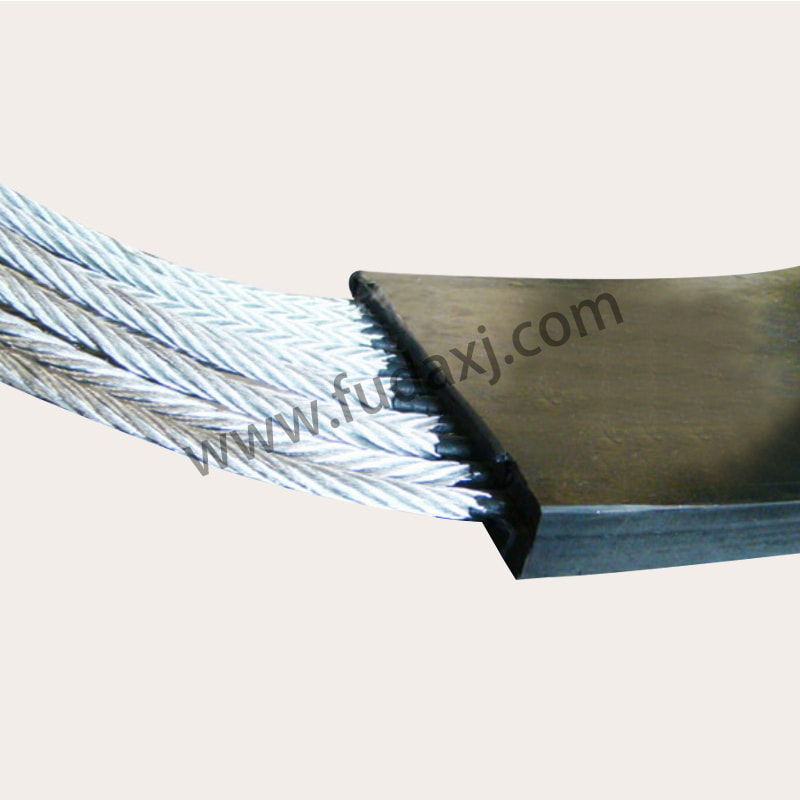
In the realm of large-scale underground construction and mining, the efficient removal of excavated material is a fundamental challenge. Addressing this challenge directly is a specialized product: the TBM steel cord conveyor belt. This heavy-duty belt is an integral component of the continuous conveyor system employed by Tunnel Boring Machines, designed to handle the demanding task of transporting large volumes of muck—rock, soil, and debris—from the cutting face to the surface. The performance and reliability of the TBM steel cord conveyor belt are crucial for maintaining the pace and efficiency of major tunneling projects worldwide.
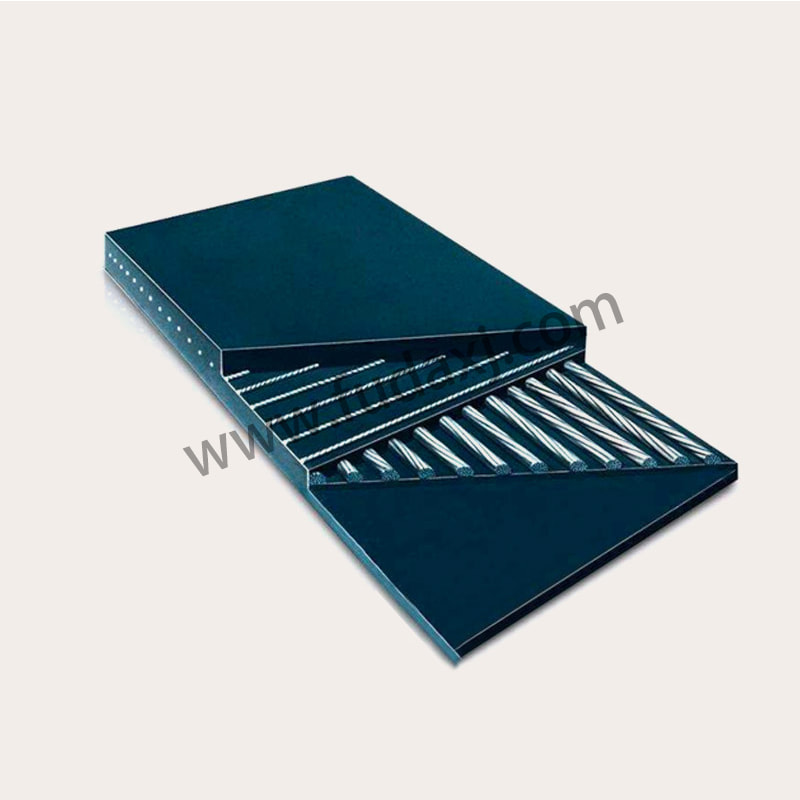
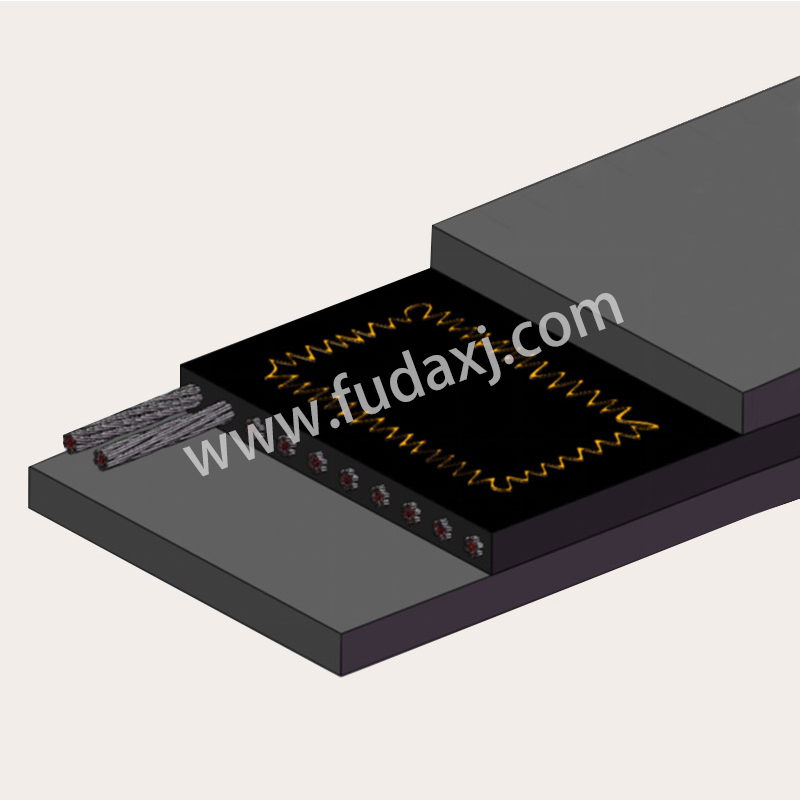
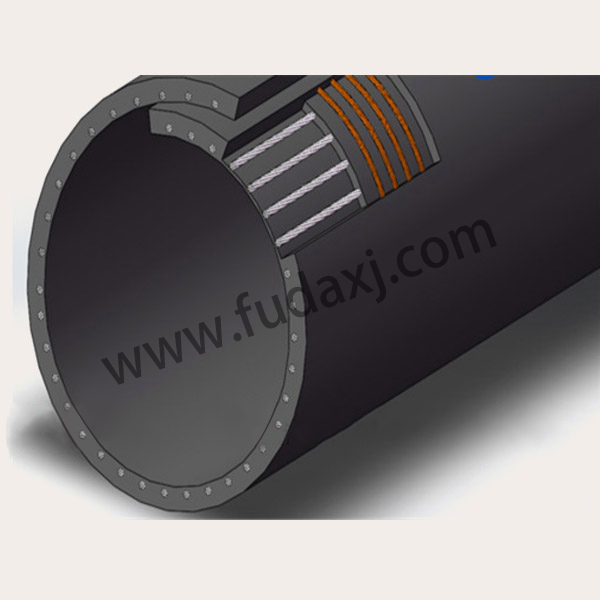
The design of the TBM steel cord conveyor belt is engineered for exceptional strength, small elongation, and high impact resistance. Unlike fabric-reinforced belts, its carcass consists of steel cords laid lengthwise and embedded in a rubber matrix. These steel cords provide the primary tensile strength, allowing the TBM steel cord conveyor belt to span long distances within the tunnel with small sag and to withstand the high tensions required to move heavy loads. The rubber cover, both top and bottom, is formulated for high abrasion and cut resistance to withstand the constant flow of sharp, heavy rock material. This combination makes the TBM steel cord conveyor belt uniquely suited for the harsh, continuous-duty environment of a TBM operation.
The application of the TBM steel cord conveyor belt is central to modern mechanized tunneling. As the TBM cutterhead advances, excavated material falls onto a primary conveyor, which then transfers it directly onto the main TBM steel cord conveyor belt. This belt runs the length of the tunnel, often several kilometers, carrying the muck steadily and reliably to a discharge point where it is transferred to surface conveyors or rail cars. The use of a continuous TBM steel cord conveyor belt system eliminates the need for intermittent muck cars, enabling non-stop excavation and significantly boosting the overall advance rate of the tunnel drive. Its role is continuous and mission-critical; any failure can bring the entire tunneling operation to a halt.
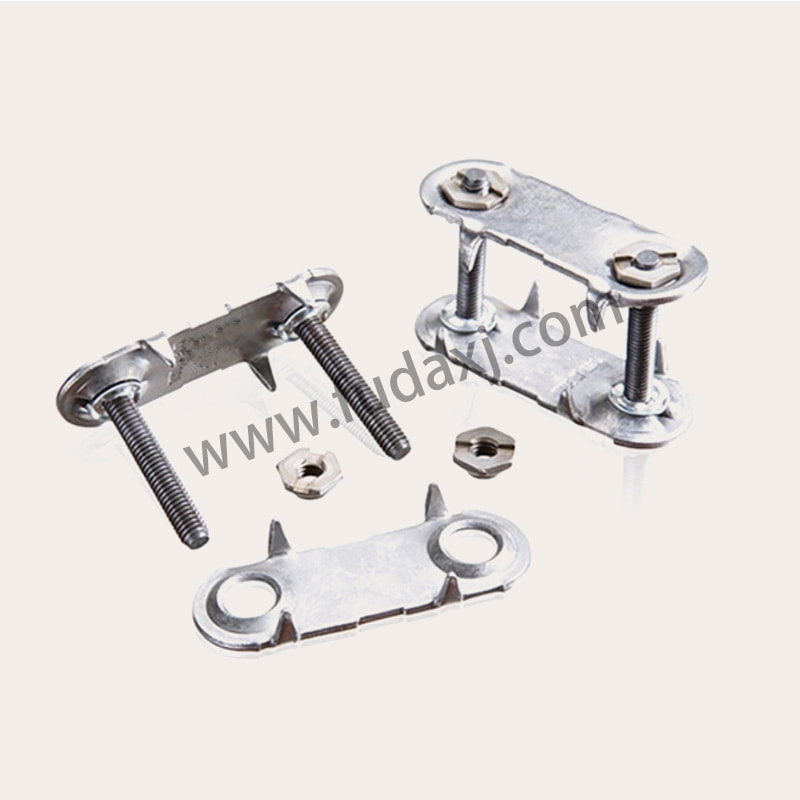
Key performance characteristics for a TBM steel cord conveyor belt include its tensile strength rating, determined by the diameter and number of steel cords, and the quality and thickness of its rubber covers. The belt must also be designed with suitable flexibility for proper troughing over idlers and tracking around pulleys. Fire resistance and anti-static properties are often required for safety in underground environments. The splicing of the TBM steel cord conveyor belt—joining ends to form a continuous loop—is a highly skilled procedure, as the splices must be as strong and reliable as the belt itself to handle the operational stresses.
Innovation in TBM steel cord conveyor belt technology focuses on enhancing wear life through advanced rubber compounds, improving splice reliability and speed, and developing monitoring systems to detect cord damage or wear in real-time. The drive for greater tunneling efficiency and project sustainability will further cement the importance of this specialized belt. As a vital link in the material removal chain, the TBM steel cord conveyor belt remains an unsung yet indispensable engineering asset, enabling the continuous, high-volume earthmoving that makes ambitious underground projects feasible and efficient. Its evolution will continue to parallel advancements in TBM technology and the scale of global subterranean development.
 Tel:0086-576-83070118
 Fax: 0086-576-83019528
 fudaxj@163.com
 Hongshan industrial Zone,Hongchou, Tiantai,zhejiang,317210,China