 Working hours:Mon - Sat 8.00 - 18.00
  Call Us:0086-576-83070118
 English
 简体中文
简体中文 Español
 عرب
عرب
 English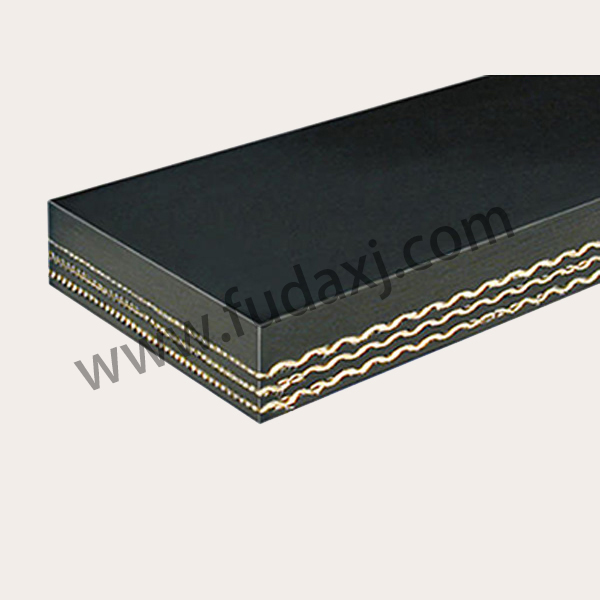
EP conveyor belts play a steady role in moving materials across many workplaces. These belts combine polyester and nylon fabrics in a way that supports everyday transport tasks. Workers in factories, warehouses, and processing sites rely on them to keep products flowing without constant interruption. The design focuses on practical strength and flexibility so that loads of different sizes can travel smoothly from one point to another.
How the Belt Moves Material
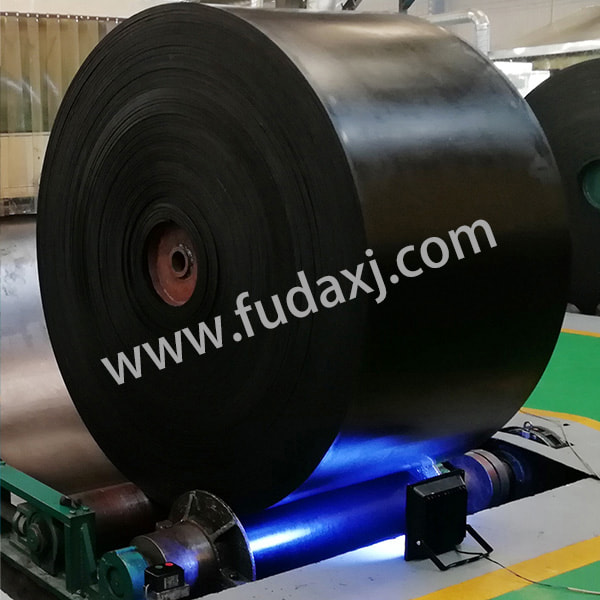
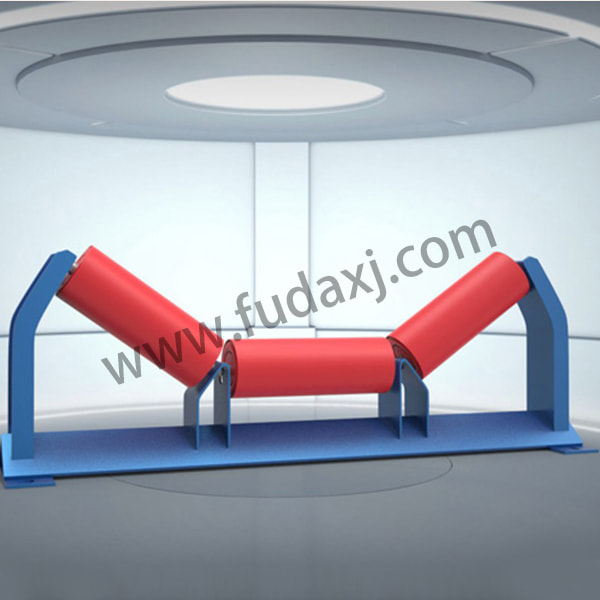
A typical setup includes a continuous loop of EP conveyor belt stretched between two or more rollers. An electric motor turns the drive roller, which grips the belt through friction. Supporting rollers underneath keep the belt from sagging under load. The material sits on the upper surface and travels forward as the belt advances.
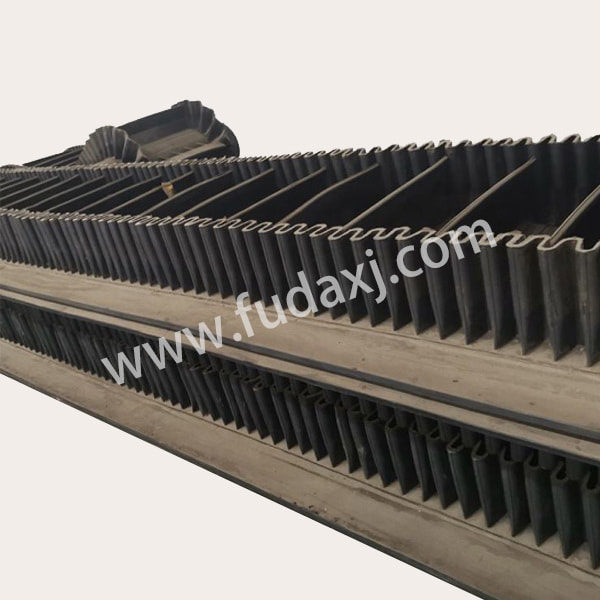
At the end of the run the material drops off or transfers onto another conveyor. The empty belt then returns underneath the structure, ready for the next load. Side guides or skirts prevent spillage when the belt carries fine powders or irregular shapes.
Tension devices keep the belt tight enough to avoid slipping yet loose enough to reduce wear on the rollers. Simple take-up systems allow workers to adjust tension as the belt stretches slightly over time. The entire arrangement depends on mechanical principles that have remained consistent for decades.
Performance Traits in Daily Use
EP conveyor belts handle moderate impact without tearing. The nylon component absorbs sudden shocks when heavy pieces land on the surface. The polyester component limits elongation so that the belt does not stretch excessively under continuous load. This combination supports steady operation during long shifts.
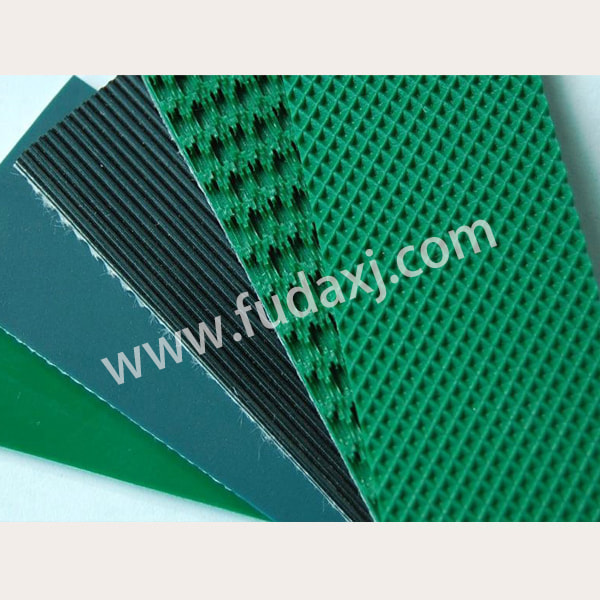
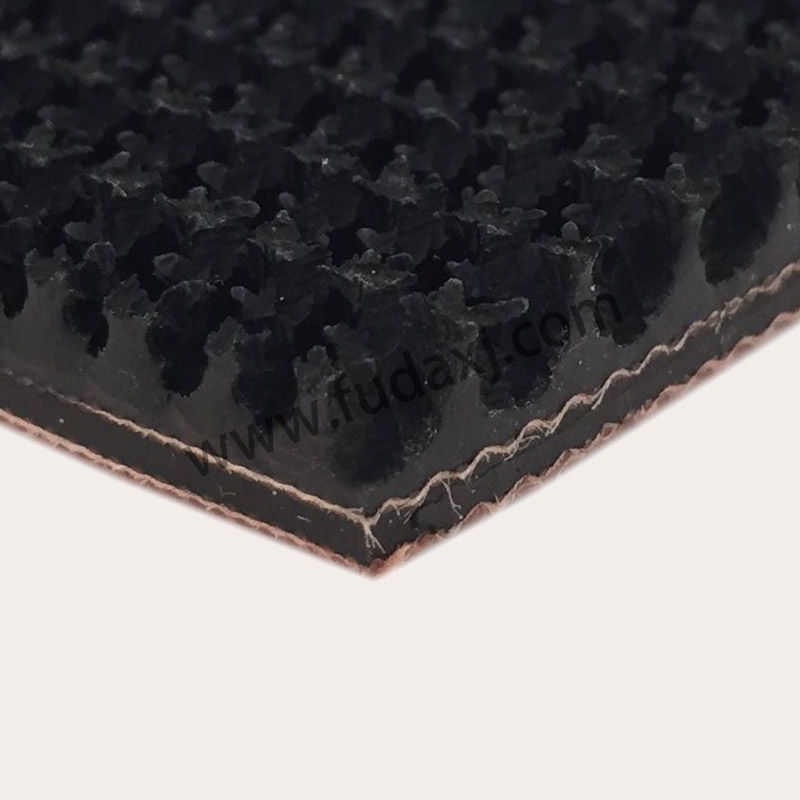
The rubber covers protect the fabric from moisture and mild chemicals. In outdoor installations the covers also shield against sunlight and temperature swings within normal ranges. Operators notice that the belt tracks well when the rollers stay aligned and clean. Regular visual inspection of the surface and edges helps catch small issues before they grow.
Noise levels stay reasonable because the fabric layers dampen vibration. The belt runs quietly compared with metal chain systems. Energy use depends mainly on the motor size and the weight of the material being moved. Lighter loads require less power, while denser materials call for stronger drives.
Practical Considerations for Selection
When choosing an EP conveyor belt, teams look at the expected load weight, the length of the run, and the nature of the material. Thicker belts with more plies suit heavier duties. Thinner versions work well for lighter packages or continuous flows of smaller items. The cover thickness and compound match the abrasion level or temperature range of the workplace.
Installation requires careful alignment of the rollers and proper tensioning. Once running, the system needs only basic attention such as clearing debris and checking for unusual wear patterns. Many sites keep spare sections on hand so that a damaged length can be replaced without long downtime.
The design supports splicing methods that restore full strength after a repair. Hot vulcanizing or mechanical fasteners both serve this purpose depending on the available tools and time. Clear marking of the belt direction during installation prevents tracking problems later.
EP conveyor belts continue to serve as dependable tools for material movement. Their layered fabric and rubber construction deliver the strength and flexibility needed for routine industrial tasks. From bulk handling yards to packaging lines, these belts keep goods in motion with a design that remains practical and understandable for operators on the floor.
 Tel:0086-576-83070118
 Fax: 0086-576-83019528
 fudaxj@163.com
 Hongshan industrial Zone,Hongchou, Tiantai,zhejiang,317210,China