 Working hours:Mon - Sat 8.00 - 18.00
  Call Us:0086-576-83070118
 English
 简体中文
简体中文 Español
 عرب
عرب
 English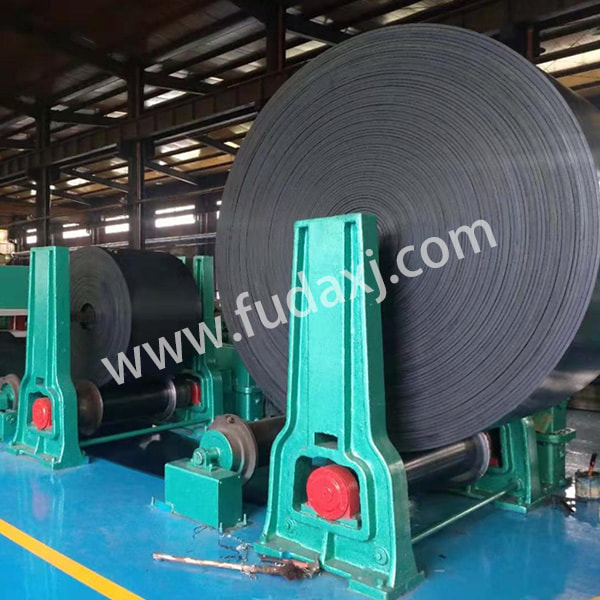
Mining Conveyor Belt Gains Attention in Industrial Projects
Mining conveyor belt systems continue to attract attention across mining operations as companies focus on stable material transportation. Large mining sites often move thousands of tons of rock, coal, ores, and aggregates every day. Conveyor systems help connect excavation areas with processing plants, storage yards, and loading stations, reducing interruptions during production.
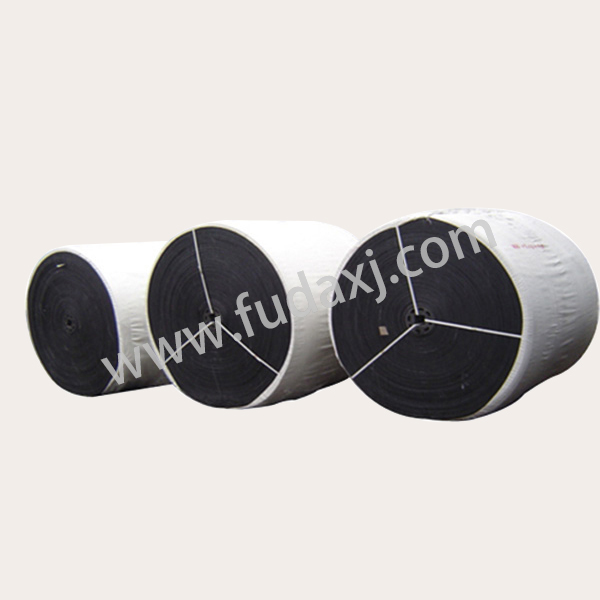
Modern mining conveyor belt designs are built for continuous movement over long distances. They can operate across open-pit mines, underground tunnels, and processing facilities. Different belt structures allow operators to select suitable solutions for heavy materials, sharp rocks, wet ores, or fine minerals.
Equipment suppliers have also expanded customization options. Belt width, thickness, cover compounds, reinforcement materials, and surface textures can all be selected according to operating conditions. This flexibility allows mining companies to match conveyor performance with production requirements.
Material Selection Shapes Conveyor Performance
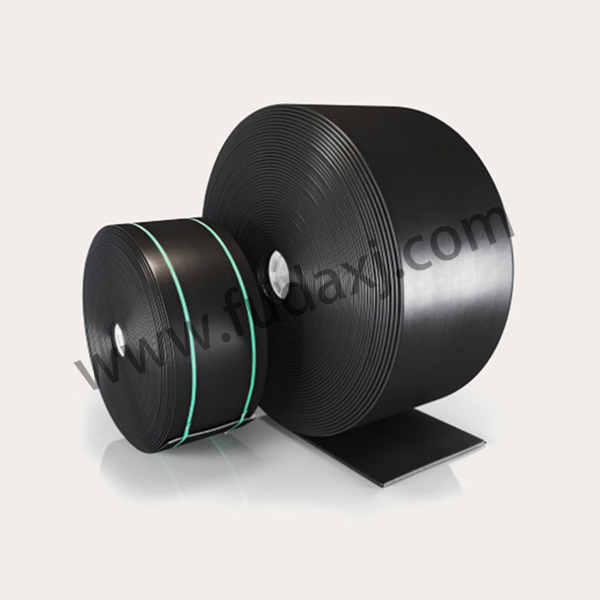
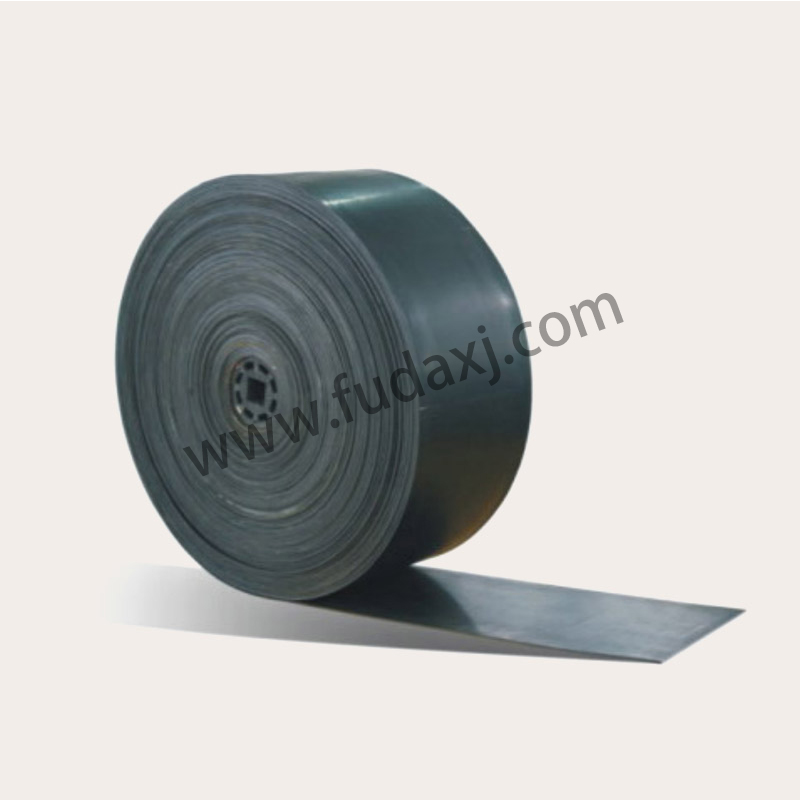
The construction of a mining conveyor belt plays an important role in handling demanding workloads. Rubber compounds remain widely used because they combine flexibility with resistance to wear during continuous transportation. Fabric-reinforced belts provide reliable performance for many medium-duty applications, while steel cord belts support longer conveying distances and heavier loads.
Some operations handle materials with sharp edges that place extra stress on conveyor surfaces. In these situations, belts designed with thicker covers help reduce surface damage. Heat-resistant compounds are also available for transporting materials that remain warm after processing.
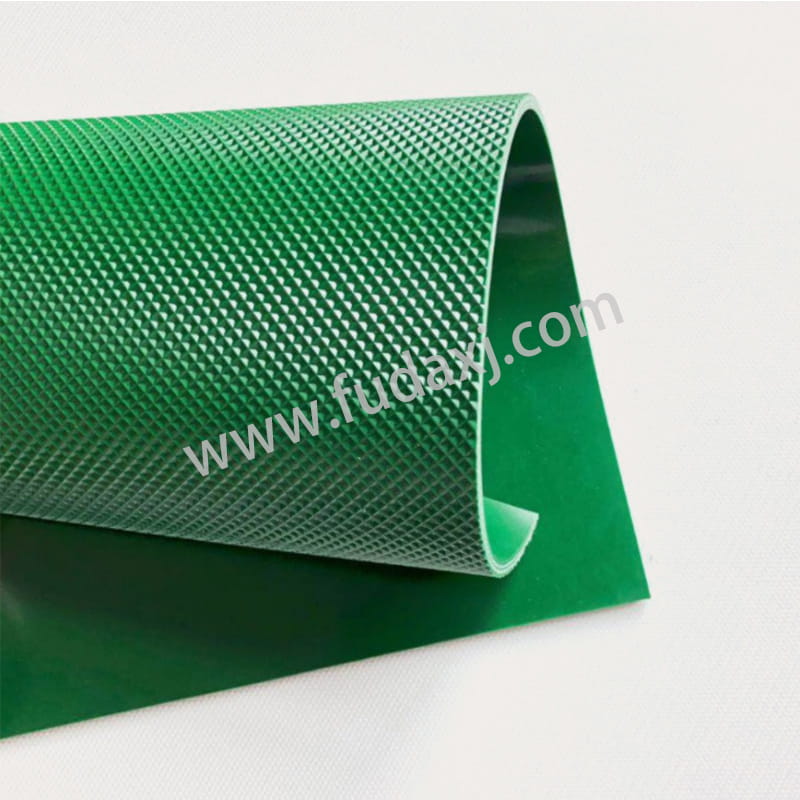
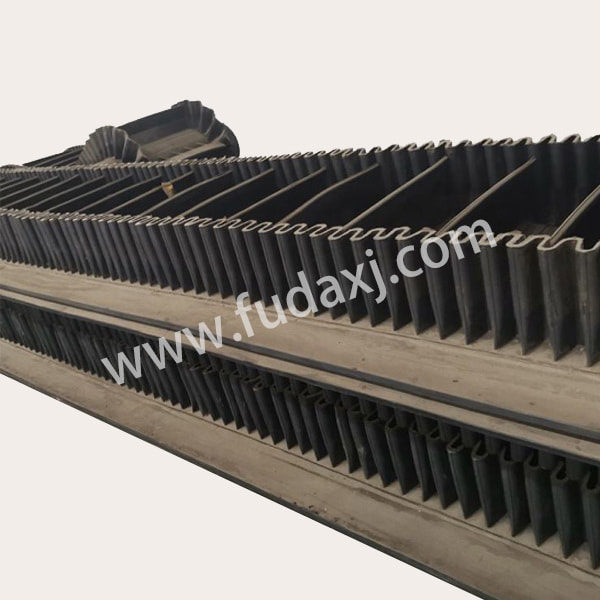
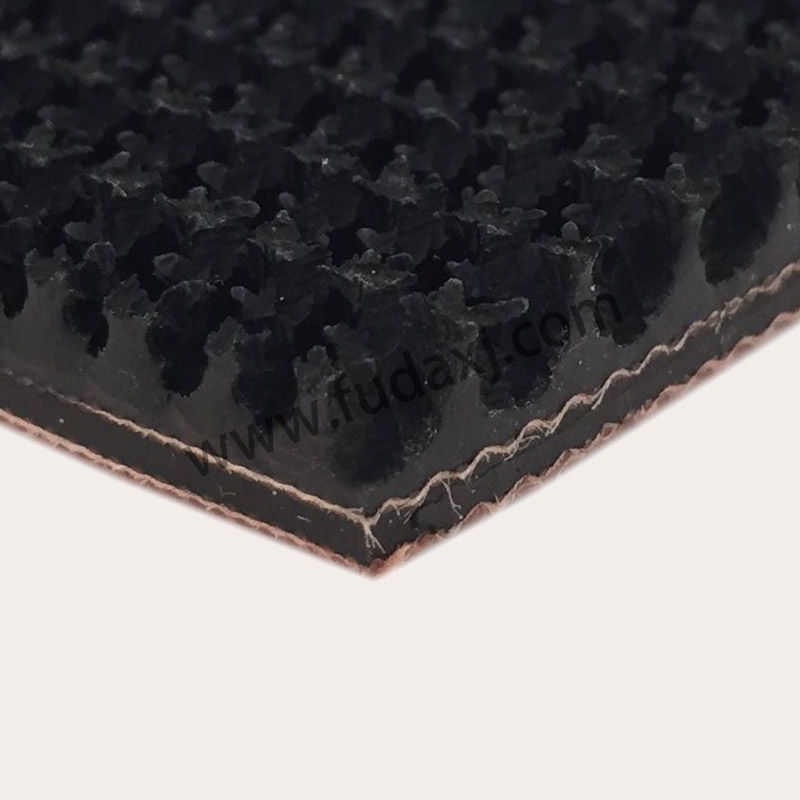
Surface design varies according to application. Smooth belts support general transportation, while patterned or cleated surfaces help carry materials on inclined conveyors. Choosing the appropriate surface improves material stability during movement.
Advances in manufacturing have also improved belt consistency. Better bonding between reinforcement layers and rubber covers contributes to stable operation during long production cycles.
Conveyor Layout Supports Complex Mining Operations
Mining facilities rarely share identical layouts. Some sites require straight conveyor routes, while others include multiple transfer points, elevation changes, or long-distance transportation between separate processing areas.
Mining conveyor belt systems can be configured to fit these different conditions. Horizontal conveyors connect production zones across large open areas. Inclined conveyors move materials uphill between processing stages. Curved conveyor arrangements help reduce transfer stations where site layouts allow gradual directional changes.
Automation also plays a growing role in conveyor operation. Sensors monitor belt speed, material loading, and alignment, allowing operators to observe system performance from centralized control rooms. These monitoring systems help maintain consistent production flow during daily operations.
Loading and discharge equipment is often integrated with crushers, screens, stackers, and storage facilities. Coordinated operation between these machines improves overall material handling efficiency.
Manufacturing Technology Brings Consistent Quality
Production technology continues to improve the quality of mining conveyor belt products. Manufacturers use automated mixing equipment to prepare rubber compounds with consistent material distribution. Precision calendering machines control rubber thickness before reinforcement layers are combined.
Steel cord belts require accurate cable positioning during production. Automated equipment helps maintain uniform spacing across the entire belt width. Vulcanization processes bond the complete structure into a single product capable of handling demanding industrial conditions.
Quality inspections are carried out throughout manufacturing. Belt dimensions, tensile characteristics, surface appearance, and splice compatibility are checked before shipment. These production controls help maintain consistency across different production batches.
Digital production management also supports manufacturing efficiency. Production data can be recorded throughout each processing stage, allowing manufacturers to monitor product consistency while improving scheduling and material utilization.
 Tel:0086-576-83070118
 Fax: 0086-576-83019528
 fudaxj@163.com
 Hongshan industrial Zone,Hongchou, Tiantai,zhejiang,317210,China