 Working hours:Mon - Sat 8.00 - 18.00
 Call Us:0086-576-83070118
 English
 简体中文
 Español
 عرب

 English
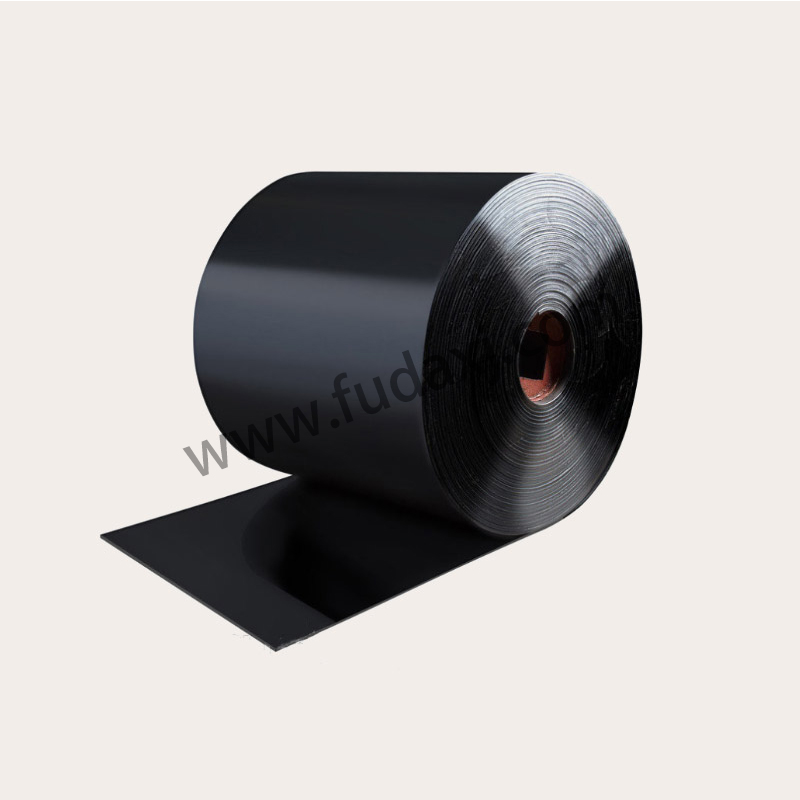
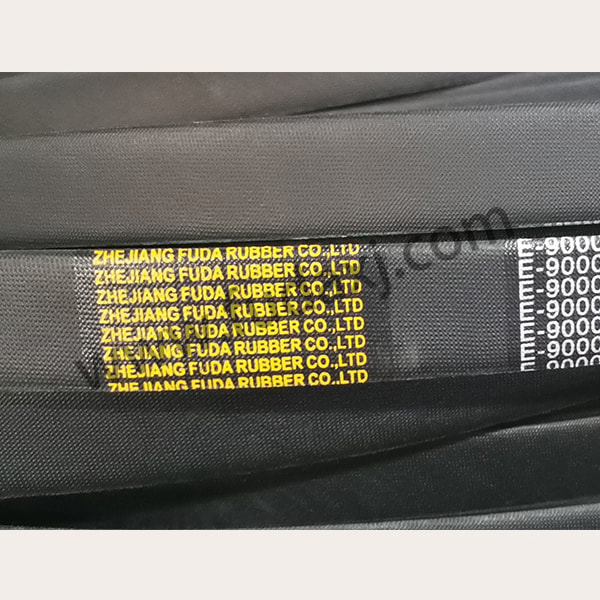
Moving raw materials across a cement production site involves more than simply transporting bulk goods from one location to another. Limestone, clay, clinker, coal, and finished cement all require suitable conveying equipment at different production stages. A Cement conveyor belt provides a continuous transport solution, helping cement plants connect material storage, processing, and handling areas.
Where Does a Cement Conveyor Belt Fit into Production?
Cement manufacturing involves several material transfer processes. Before raw materials enter the grinding system, limestone and other minerals need to move from storage areas to crushers and processing equipment. After crushing, these materials are transferred to storage silos or raw material preparation sections.
A Cement conveyor belt can serve different stages of this process, depending on the plant layout and conveying distance.
Typical applications include:
- Limestone transportation: Moving extracted limestone from stockpiles to crushing equipment.
- Raw material handling: Transferring clay, gypsum, and other mineral materials between processing sections.
- Clinker conveying: Carrying hot clinker between cooling, storage, and grinding areas with suitable belt specifications.
- Coal transportation: Moving fuel materials to designated handling and processing sections.
- Finished cement handling: Supporting the transfer of cement-related bulk materials within industrial facilities.
Each application involves different material characteristics, so conveyor specifications need to reflect the actual operating conditions.
How Do Belt Materials Affect Conveying Performance?
Material selection plays an important role in conveyor belt applications. Cement plants handle abrasive minerals, dusty powders, irregular stone pieces, and materials at different temperatures. These conditions place different demands on the belt cover and internal reinforcement.
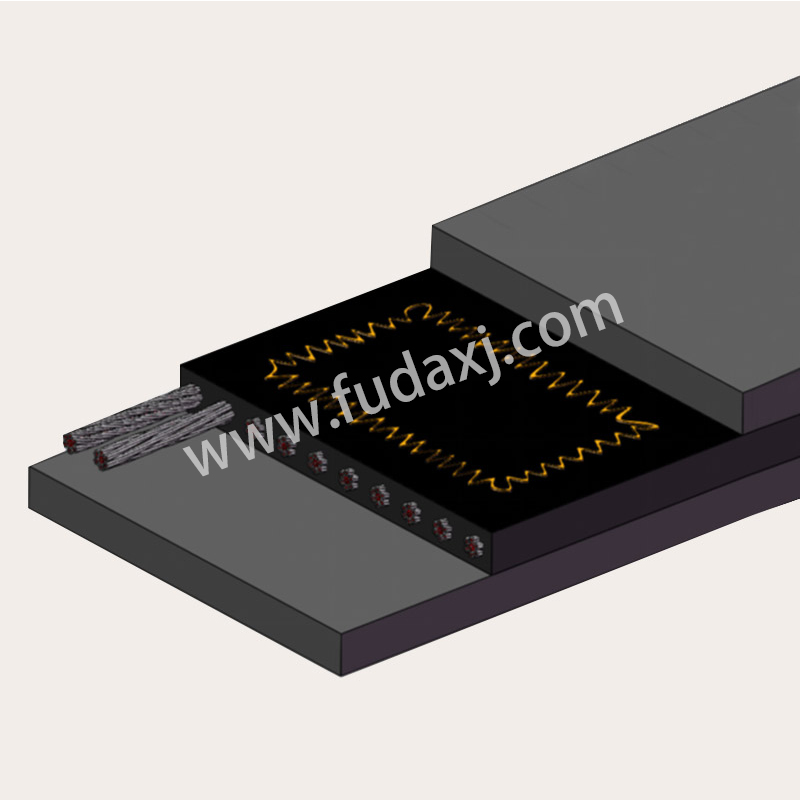
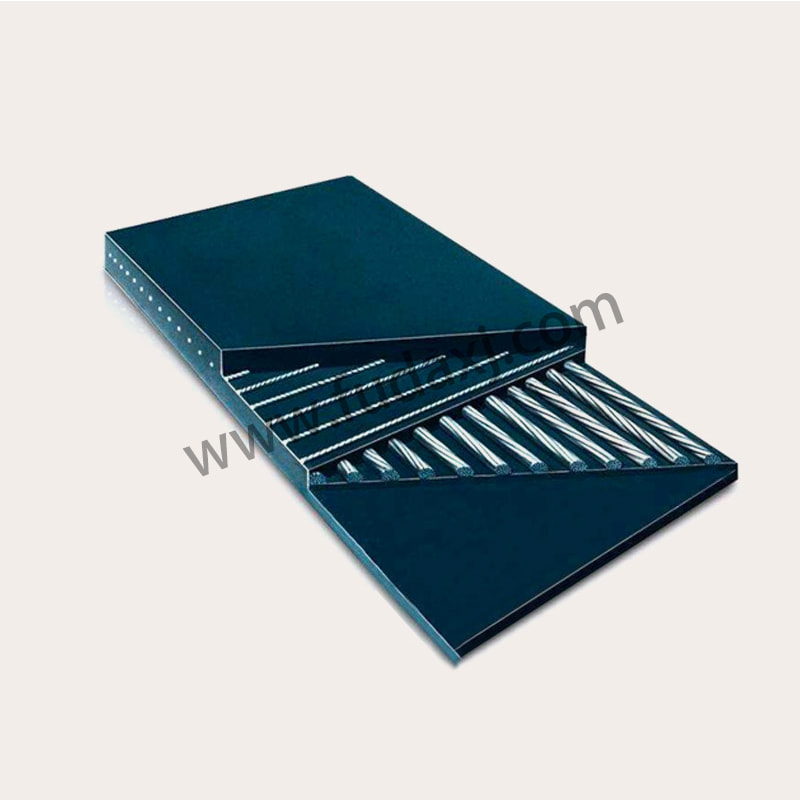
Rubber is commonly used for industrial cement conveying because it provides flexibility and resistance to abrasion. The rubber cover protects the internal structure from contact with transported materials, while the carcass provides tensile strength and dimensional stability.
Fabric-reinforced belts are frequently used in general material transportation. Polyester and nylon fabrics are common reinforcement options, offering different combinations of strength, flexibility, and elongation characteristics.
For applications involving heavy materials or longer conveying distances, steel cord reinforcement may be considered. Its structure supports high tensile loads and is suitable for certain large-scale conveyor installations.
When selecting a Cement conveyor belt, buyers should also consider cover thickness, belt width, tensile strength, and resistance to the specific materials being transported.
Why Does Conveyor Layout Influence Belt Selection?
A conveyor system is closely connected to the physical layout of a cement plant. Some production lines require short horizontal conveying sections, while others involve long-distance transportation or inclined routes between different processing areas.
Belt width affects the amount of material that can be carried across the conveyor. A wider belt may be suitable for higher material flow requirements, depending on the bulk density and loading conditions.
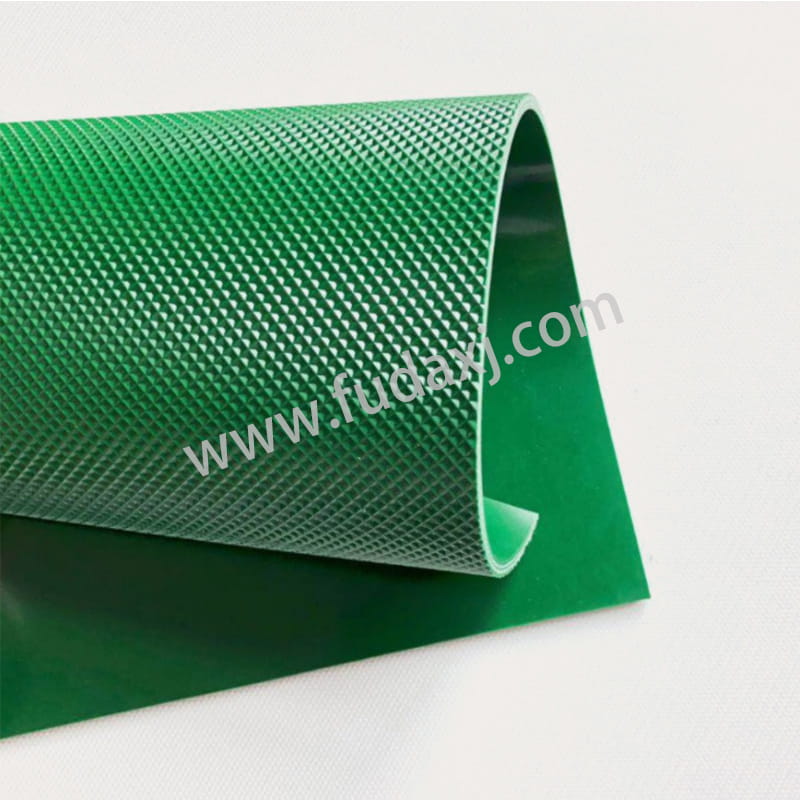
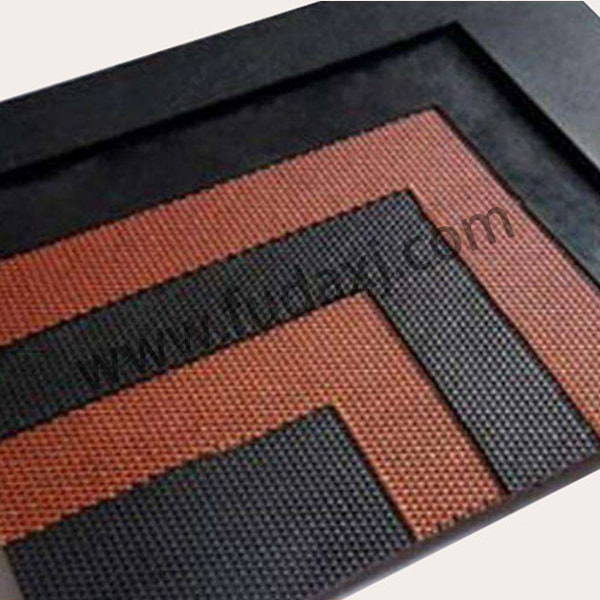
Inclined conveyors introduce another consideration. Materials such as limestone fragments and clinker can move backward if the belt surface does not provide sufficient grip. Depending on the conveying angle and material properties, buyers may consider patterned surfaces, chevron belts, or other specialized designs.
The conveyor's loading and unloading arrangements also influence belt configuration. Transfer points, discharge positions, and material feeding methods should correspond to the production line layout.
A suitable Cement conveyor belt should therefore match both the transported material and the working conditions of the complete conveying system.
 Tel:0086-576-83070118
 Fax: 0086-576-83019528
 fudaxj@163.com
 Hongshan industrial Zone,Hongchou, Tiantai,zhejiang,317210,China
