 Working hours:Mon - Sat 8.00 - 18.00
  Call Us:0086-576-83070118
 English
 简体中文
简体中文 Español
 عرب
عرب
 English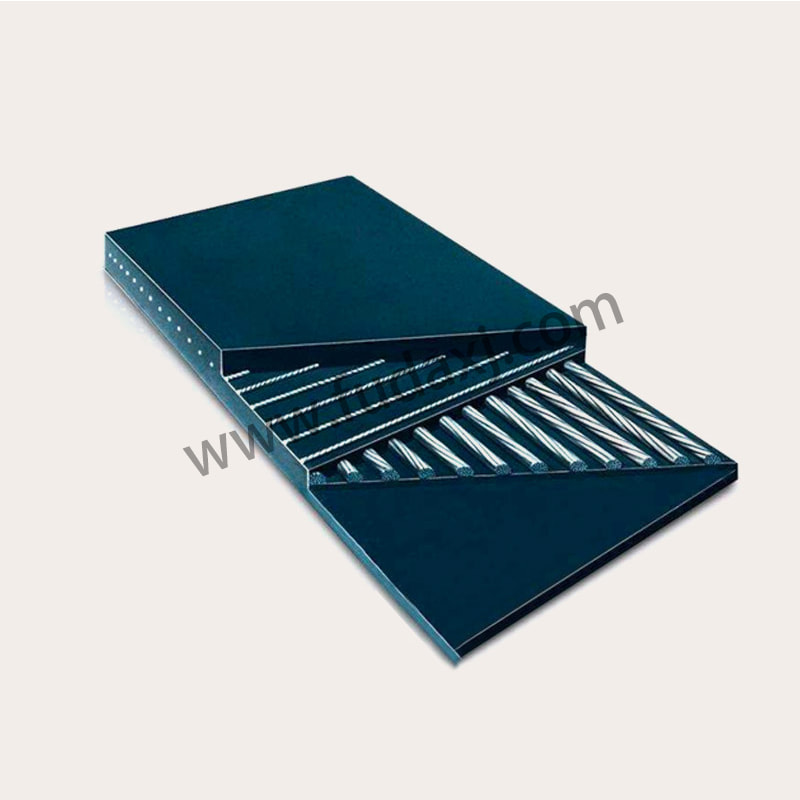
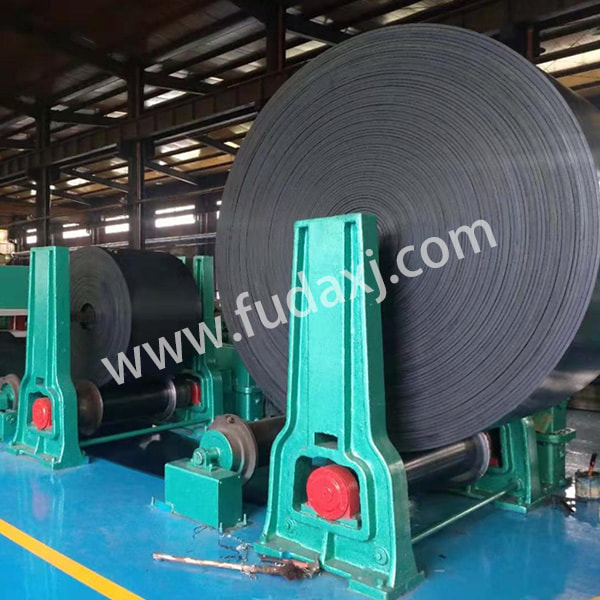
Anti tear conveyor belts support material movement in settings where sharp edges or irregular shapes create risk of damage. These belts incorporate reinforced layers that limit the spread of cuts or punctures. Operators in mining, quarrying, and bulk handling sites use them to keep loads moving across rough terrain or through demanding transfer points. The construction focuses on practical resistance so that everyday operations continue with fewer interruptions from surface damage.
Composition of Anti Tear Conveyor Belt
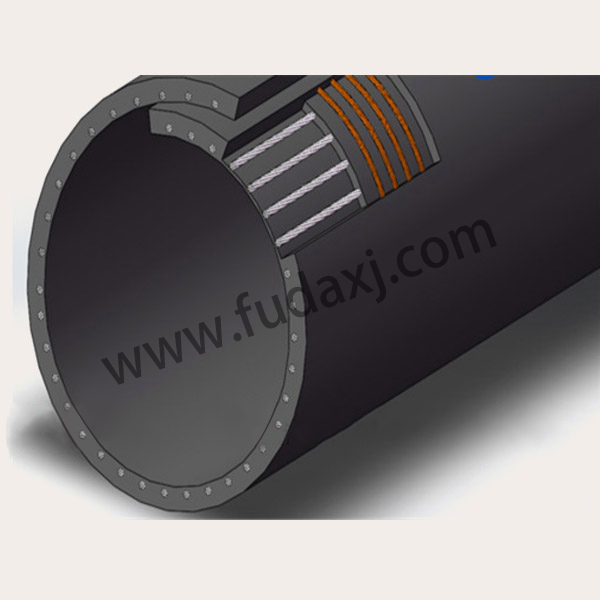
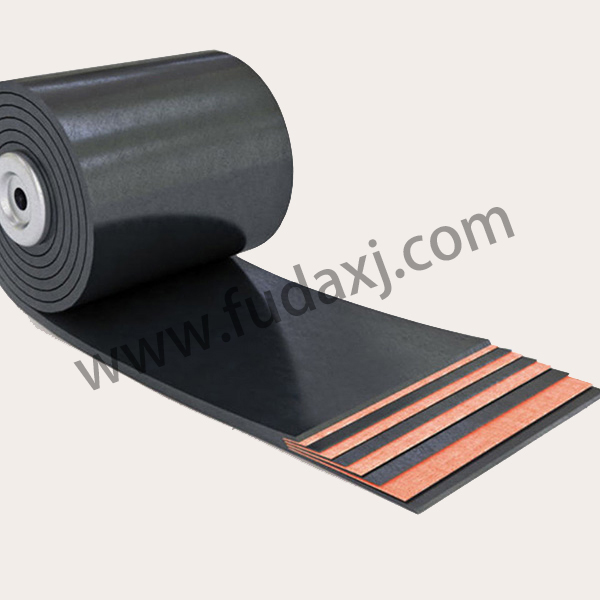
An anti tear conveyor belt begins with a strong fabric carcass or steel cord structure. Multiple fabric plies or embedded cords form the core. Special weaves or breaker layers sit between the main plies. These extra layers act as barriers that slow the progress of any tear that starts on the surface.
Rubber covers sit on the top and bottom. The top cover faces the material and often includes compounds that resist abrasion from rocks or metal scraps. The bottom cover contacts the rollers and supports smooth travel. Edge protection helps keep the sides intact when the belt runs near fixed guides or scrapers.
Common Applications Across Industries
Mining operations load crushed ore or coal onto anti tear conveyor belts for transport from the face to processing areas. Sharp fragments and heavy impacts occur regularly, so the reinforced structure helps the belt continue running. Quarries move blasted stone and aggregate along these belts over short and medium distances.
Recycling facilities feed mixed scrap metal or construction debris onto the surface. Irregular shapes and protruding edges test the belt’s ability to resist cuts. Ports and bulk terminals handle materials such as iron ore or limestone that can contain hard pieces. Packaging lines that deal with heavy or edged packages also employ these belts for reliable transfer between stations.
The belts run in straight paths, around gentle curves, or up moderate slopes. Drive systems adjust speed to match the flow of surrounding equipment. This adaptability allows one basic design to serve different material types and site layouts.
Performance Traits in Daily Use
Anti tear conveyor belts limit the growth of surface cuts. When a sharp object creates a puncture, the internal breaker layers or special fabric patterns help contain the damage. The belt continues to carry load while the affected area remains localized.
Rubber covers protect the carcass from moisture and moderate temperature changes. Outdoor installations benefit from covers that handle sunlight and weather within normal ranges. The belt tracks steadily when rollers stay clean and aligned. Visual checks of the surface and edges help identify wear patterns early.
Vibration stays moderate because the layered construction absorbs some impact energy. Noise levels remain practical for industrial environments. Power demand depends on motor size and the weight of the material. Heavier loads require stronger drives, while lighter flows use less energy.
Practical Considerations for Selection
Teams select an anti tear conveyor belt by reviewing the expected load weight, material sharpness, and run length. Thicker covers and additional breaker layers suit sites with frequent impacts. Lighter constructions work for milder conditions. Cover compounds match the abrasion level and any mild chemical exposure present at the site.
Installation requires accurate roller alignment and correct initial tension. Once running, the system needs basic attention such as clearing debris from the path. Many operations keep spare belt sections available so a damaged length can be replaced during planned stops.
Splicing methods restore continuity after a section change. Hot vulcanizing or mechanical fasteners both serve this purpose according to available equipment and schedule. Clear direction marking during installation helps prevent tracking issues later.
Anti tear conveyor belts provide a practical solution for material transport where surface damage risks exist. Their reinforced structure and rubber covers deliver the resistance needed for routine industrial tasks. From mining yards to recycling lines, these belts keep goods moving with a design that remains clear and workable for operators on the floor.
 Tel:0086-576-83070118
 Fax: 0086-576-83019528
 fudaxj@163.com
 Hongshan industrial Zone,Hongchou, Tiantai,zhejiang,317210,China