 Working hours:Mon - Sat 8.00 - 18.00
 Call Us:0086-576-83070118
 English
 简体中文
 Español
 عرب

 English
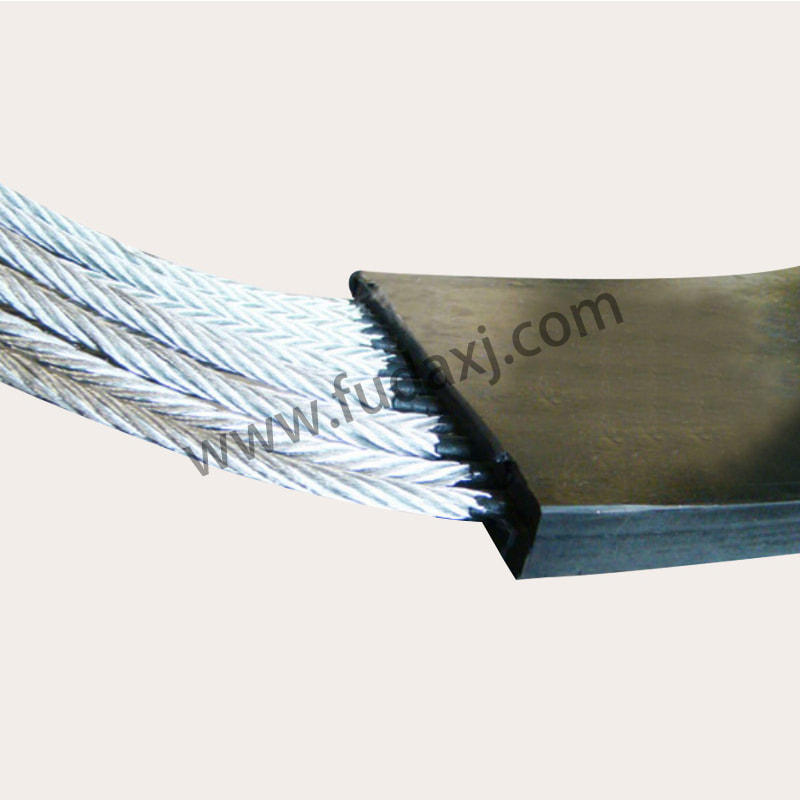
Tunnel boring machines (TBMs) generate a continuous flow of excavated rock, soil, and other materials during underground construction. Moving this material away from the excavation face requires a conveyor system that can operate over long distances and handle changing load conditions. The TBM steel cord conveyor belt plays an important role in this process, connecting excavation equipment with material discharge and transfer points.
Unlike conveyor belts used for short-distance material handling, belts in TBM projects often operate inside confined tunnels. Their structure needs to accommodate heavy material loads, limited installation space, and continuous movement during excavation.
Why Are Steel Cords Used in TBM Conveyor Belts?
Steel cords provide the tensile strength needed for long-distance conveyor applications. They run longitudinally through the belt carcass, helping the belt carry substantial loads across extended conveyor routes.
For TBM applications, this construction offers several practical advantages:
- High tensile strength: Steel cord reinforcement supports heavy material loads and long conveyor spans.
- Low elongation: Limited belt stretch helps maintain stable conveyor operation over extended distances.
- Flexible belt design: The belt can be configured for different conveyor layouts and operating requirements.
- Longitudinal strength: Steel cords distribute pulling forces along the belt structure.
These characteristics make a TBM steel cord conveyor belt suitable for projects where excavated materials need to travel from underground working areas to surface handling facilities.
How Does Belt Construction Affect Performance?
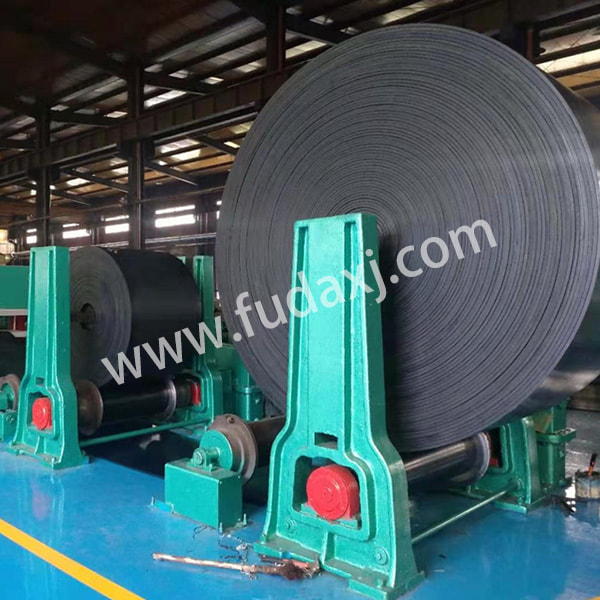
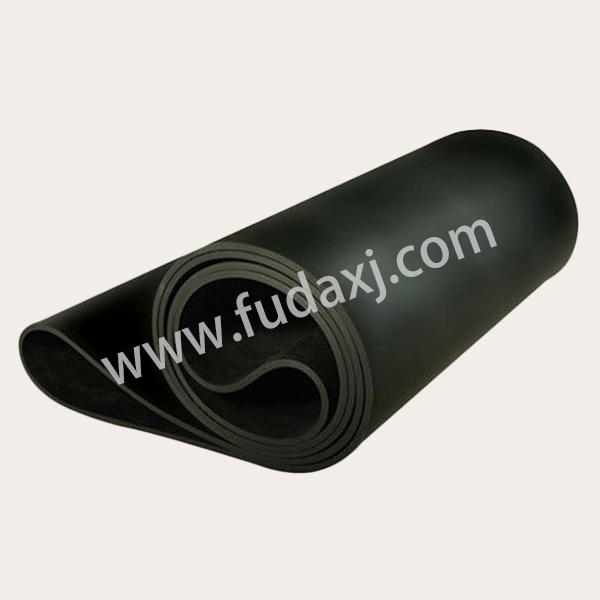
A steel cord conveyor belt generally consists of a rubber cover, steel cord reinforcement, and bonding rubber between structural layers.
Each component has a specific function. The upper cover comes into direct contact with excavated materials and needs to withstand abrasion from rocks, gravel, and soil. The lower cover protects the belt surface that runs against conveyor pulleys and idlers.
Inside the carcass, steel cords provide longitudinal tensile strength. Their arrangement, spacing, and bonding conditions influence the belt's load-carrying characteristics.
For a TBM steel cord conveyor belt, rubber cover thickness and compound selection should reflect the material being transported. Rock fragments with sharp edges create different contact conditions from fine soil or mixed excavation materials.
What Should Buyers Consider When Selecting a Belt?
Belt selection starts with the actual working conditions of the tunnel project. Conveyor length, material characteristics, belt speed, loading capacity, and conveyor inclination all influence the required belt construction.
Procurement teams should pay particular attention to the following factors:
- Tensile strength rating: Match the belt strength to the conveyor's operating tension and transport distance.
- Belt width: Consider the volume of excavated material and the dimensions of the conveyor system.
- Cover properties: Select suitable rubber compounds for the expected abrasion and impact conditions.
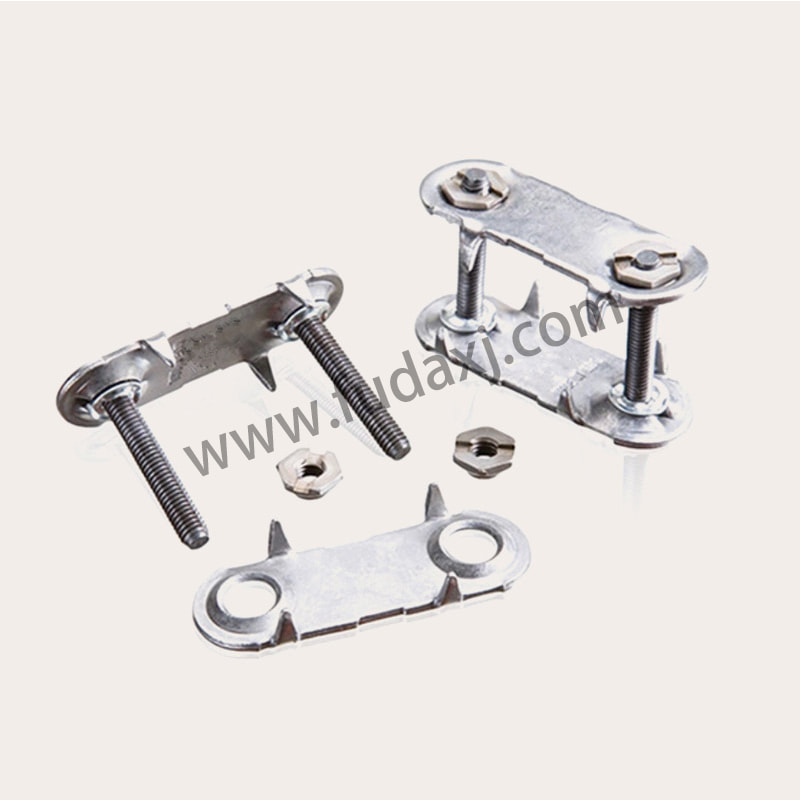
- Splice requirements: Consider how belt joints will fit the conveyor layout and installation method.
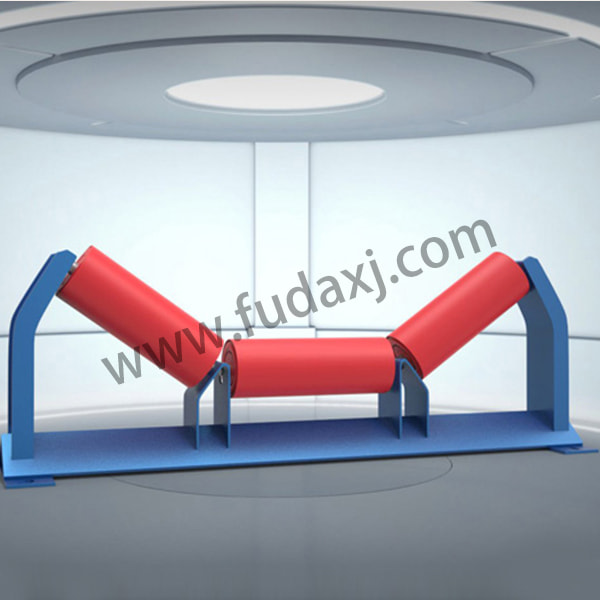
- Operating configuration: Check compatibility with pulley diameters, idlers, and conveyor arrangements.
A TBM steel cord conveyor belt should be selected according to the complete conveying system rather than tensile strength alone.
Where Does This Belt Fit into TBM Projects?
During tunnel excavation, conveyor systems move discharged materials away from the TBM and toward transfer stations, storage areas, or surface facilities. This arrangement helps maintain a continuous material flow and reduces dependence on separate transport vehicles inside the tunnel.
In long underground projects, a TBM steel cord conveyor belt can form part of an extended conveying route. Its tensile structure supports the demands of long-distance transportation, making it a practical component in mechanized tunnel excavation.
For manufacturers and project procurement teams, understanding the relationship between belt construction, material characteristics, and conveyor configuration helps create a more suitable product specification for each TBM application.
 Tel:0086-576-83070118
 Fax: 0086-576-83019528
 fudaxj@163.com
 Hongshan industrial Zone,Hongchou, Tiantai,zhejiang,317210,China
