 Working hours:Mon - Sat 8.00 - 18.00
  Call Us:0086-576-83070118
 English
 简体中文
简体中文 Español
 عرب
عرب
 English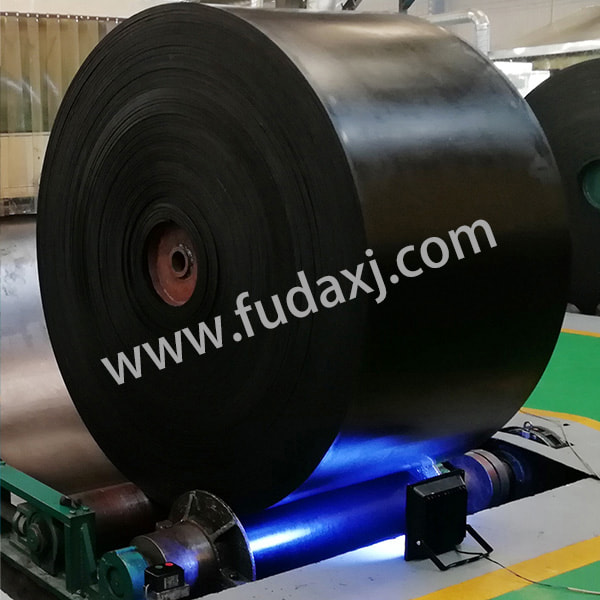
Understanding Abrasive Material Contact
Different materials create different levels of mechanical stress. Large rocks can cause impact during loading, while fine mineral particles may create continuous friction as they move along the conveyor. Moisture, particle shape, material density, and conveying speed can also influence how the belt surface behaves.
An Abrasion conveyor belt is commonly selected for applications where these conditions occur regularly. Its rubber cover and internal reinforcement are configured for conveying tasks that involve frequent material contact.
The belt does not simply move material from one point to another. It also acts as the working surface that receives repeated loading, sliding, and impact throughout the conveying cycle.
Construction of an Abrasion Conveyor Belt
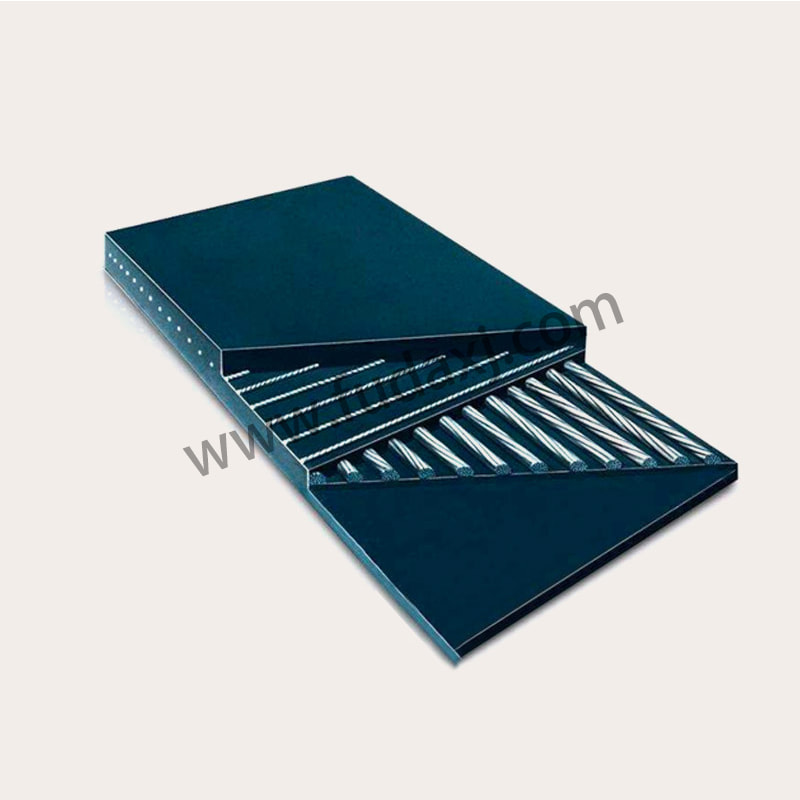
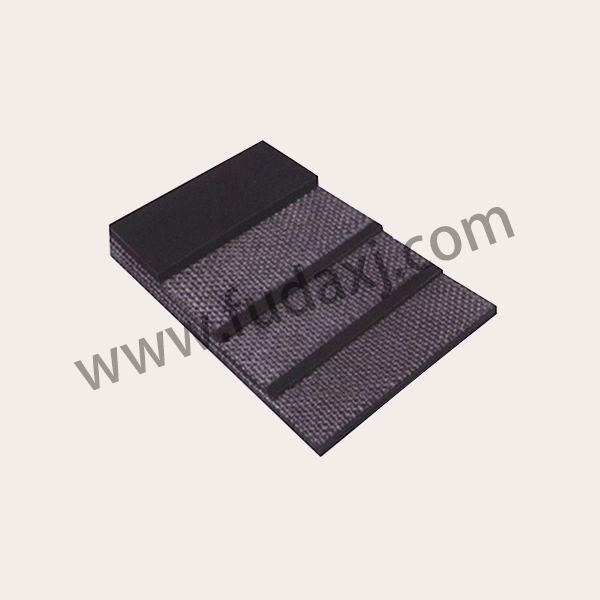
A conveyor belt normally consists of a cover layer, reinforcement, and bonding structure. The cover interacts directly with the conveyed material, while the internal reinforcement provides tensile support.
For abrasive applications, the cover compound plays an important role. Its composition can influence resistance to cuts, surface wear, and repeated contact. Different belt constructions can therefore be matched with different material handling requirements.
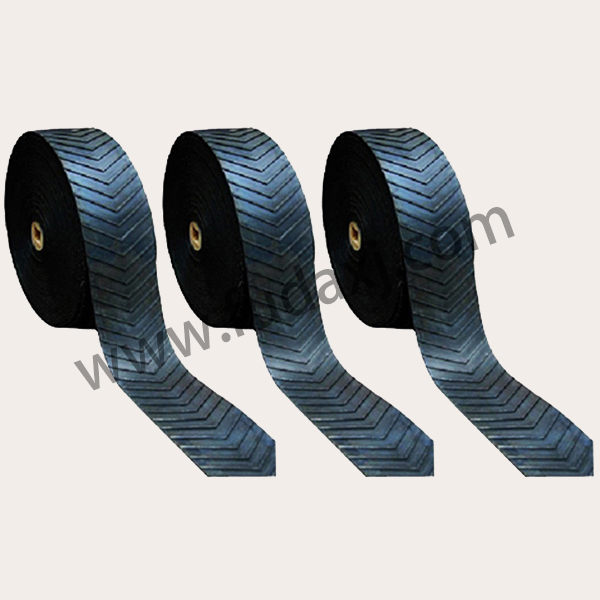
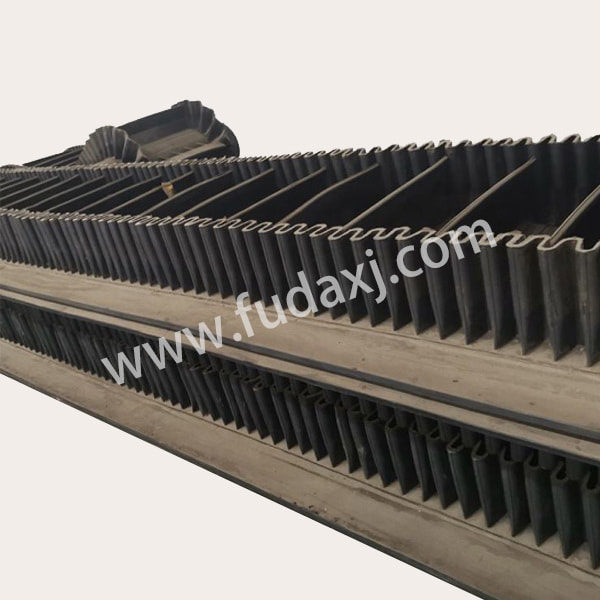
An Abrasion conveyor belt may also be available in different widths, thicknesses, reinforcement configurations, and cover grades. These choices allow conveyor system designers to consider belt performance alongside conveyor length, loading conditions, and material characteristics.
Common Industrial Applications
Abrasion-resistant conveyor belts are widely associated with bulk material handling. Mining operations may use them for transporting extracted materials, while aggregate facilities can use them for stone, gravel, and sand.
They can also be used in cement production, ports, power-related material handling, recycling facilities, and industrial processing lines. Each application presents a different combination of particle size, impact, belt speed, and conveying distance.
For this reason, choosing an Abrasion conveyor belt should begin with an understanding of the material being transported rather than simply selecting a belt based on appearance.
Matching the Belt to Conveyor Conditions
Belt width and thickness are important factors in system planning. A wider belt can accommodate larger material flow, while belt thickness is related to cover and carcass construction.
Material size should also be considered. Large and irregular particles may create greater impact at loading points, while smaller particles can produce continuous surface friction. Conveyor speed and loading volume add further variables to the selection process.
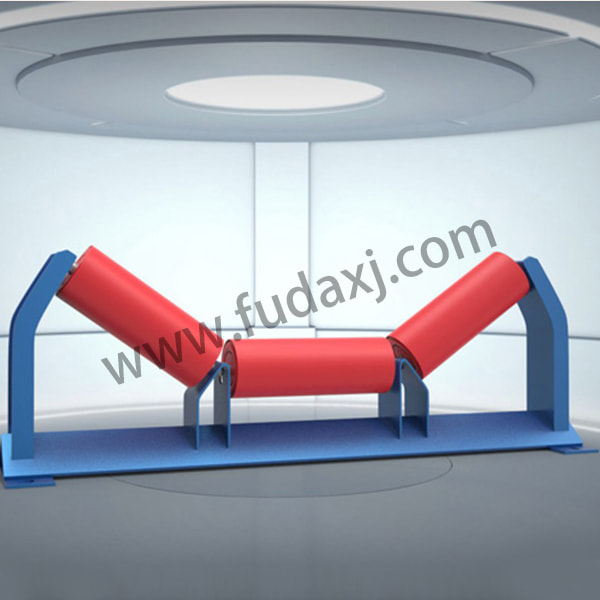
An Abrasion conveyor belt is therefore best considered as part of the complete conveying system. The belt, rollers, loading section, transfer points, and supporting structure all influence how materials move through the line.
Why Abrasion Resistance Affects Productivity
Unexpected belt wear can interrupt material flow and create additional handling work. A belt designed for abrasive applications can help maintain a more consistent conveying cycle when the operating conditions match its intended use.
For purchasing teams, the decision involves more than belt dimensions. Material type, particle characteristics, conveyor configuration, working temperature, loading method, and expected operating hours can all affect product selection.
As bulk material handling continues to rely on conveyor systems across different industries, abrasion resistance remains an important consideration in belt design. The right Abrasion conveyor belt can provide a practical connection between material characteristics and conveyor operating requirements, helping businesses build a conveying setup suited to their actual working conditions.
 Tel:0086-576-83070118
 Fax: 0086-576-83019528
 fudaxj@163.com
 Hongshan industrial Zone,Hongchou, Tiantai,zhejiang,317210,China