 Working hours:Mon - Sat 8.00 - 18.00
  Call Us:0086-576-83070118
 English
 简体中文
简体中文 Español
 عرب
عرب
 English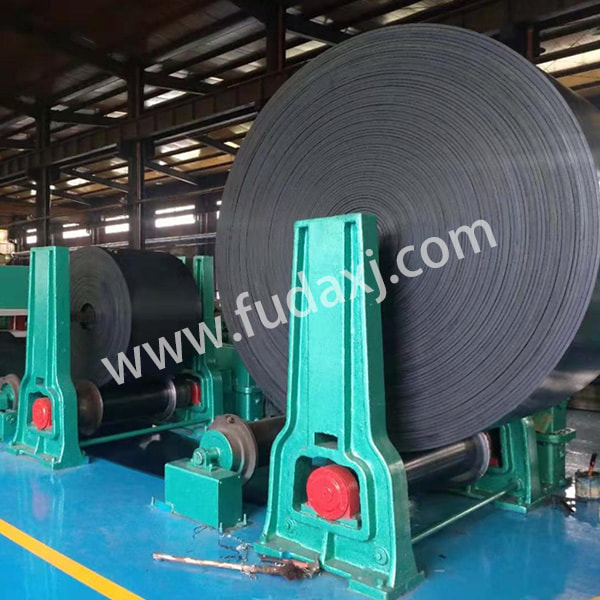
In industries where raw materials are sharp, heavy, and unforgiving, the longevity of conveying systems is constantly tested. Addressing this challenge head-on is a specialized product category: the abrasion conveyor belt. This type of belt is specifically designed and constructed to resist the wearing-away of its surface caused by the continuous scraping, grinding, and impact of abrasive materials. The development and selection of an appropriate abrasion conveyor belt are critical factors in reducing maintenance costs, small downtime, and ensuring reliable material flow in sectors like mining, quarrying, aggregate processing, and foundry operations.
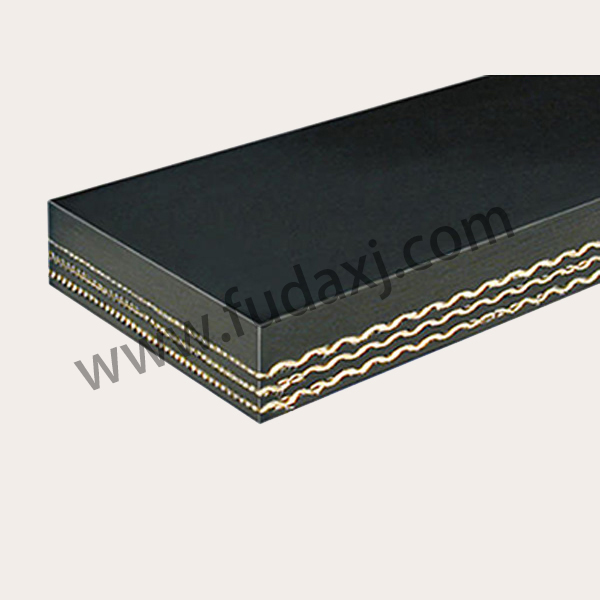
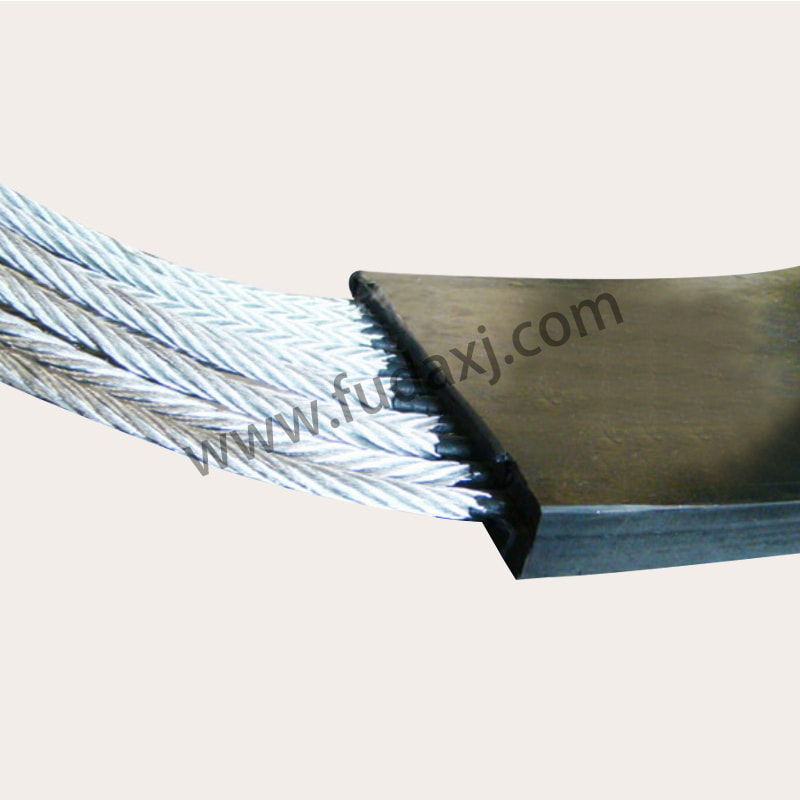
The core design principle of an abrasion conveyor belt focuses on its top cover. While the belt’s carcass (often made from fabric plies or steel cords) provides tensile strength, the cover is the frontline defense. This cover is manufactured from specially formulated rubber compounds with high levels of abrasion resistance. These compounds often incorporate additives and are engineered to have a specific hardness and elasticity that allows them to absorb impact while resisting cutting and gouging. The thickness of this top cover is a primary specification for an abrasion conveyor belt, with thicker covers used for more severe applications involving large, sharp rocks or ore.
The applications for an abrasion conveyor belt are found wherever conveying involves rough, sharp, or heavy bulk materials. In mining, these belts transport run-of-mine ore, crushed rock, and tailings. At quarries and aggregate plants, abrasion conveyor belt systems move limestone, granite, gravel, and sand. The recycling industry uses them to handle fragmented concrete, glass, and metals. In each scenario, the abrasion conveyor belt is subjected to constant friction and impact that would rapidly degrade a standard conveyor belt, pilot to premature failure, material loss, and unsafe operating conditions.
Selecting the correct abrasion conveyor belt involves analyzing the material’s abrasiveness, lump size, drop height, and operating temperature. Belt manufacturers provide wear ratings and application guidelines to match the belt to the duty. Beyond the cover, the entire belt construction is considered. For high-tension or long-haul applications, a steel cord abrasion conveyor belt might be specified, combining the wear-resistant cover with the strength of a steel cord carcass. Proper belt support from impact-resistant idlers and well-designed loading zones are also essential to improve the service life of any abrasion conveyor belt.
The economic impact of using a high-quality abrasion conveyor belt is significant. While the initial investment may be higher than a standard belt, the extended service life reduces the frequency of belt replacement and associated labor costs. It also lesss unplanned stoppages due to cover wear-through, which can cause spillage and damage to the underlying carcass. This results in lower total cost of ownership and improved operational reliability for the plant or mine.
Innovation in abrasion conveyor belt technology continues. Research focuses on developing even more durable rubber compounds, perhaps utilizing new polymers or nano-materials. There is also work on creating covers with varying properties across their thickness—softer on the outside to absorb impact and harder beneath to resist penetration. As industries push for greater efficiency and automation, the reliability of the abrasion conveyor belt as a core component of the material handling infrastructure becomes ever more crucial. By enduring where other belts would fail, the specialized abrasion conveyor belt ensures the continuous movement of the world’s primary resources, forming a resilient backbone for essential extractive and processing industries.
 Tel:0086-576-83070118
 Fax: 0086-576-83019528
 fudaxj@163.com
 Hongshan industrial Zone,Hongchou, Tiantai,zhejiang,317210,China