 Working hours:Mon - Sat 8.00 - 18.00
  Call Us:0086-576-83070118
 English
 简体中文
简体中文 Español
 عرب
عرب
 English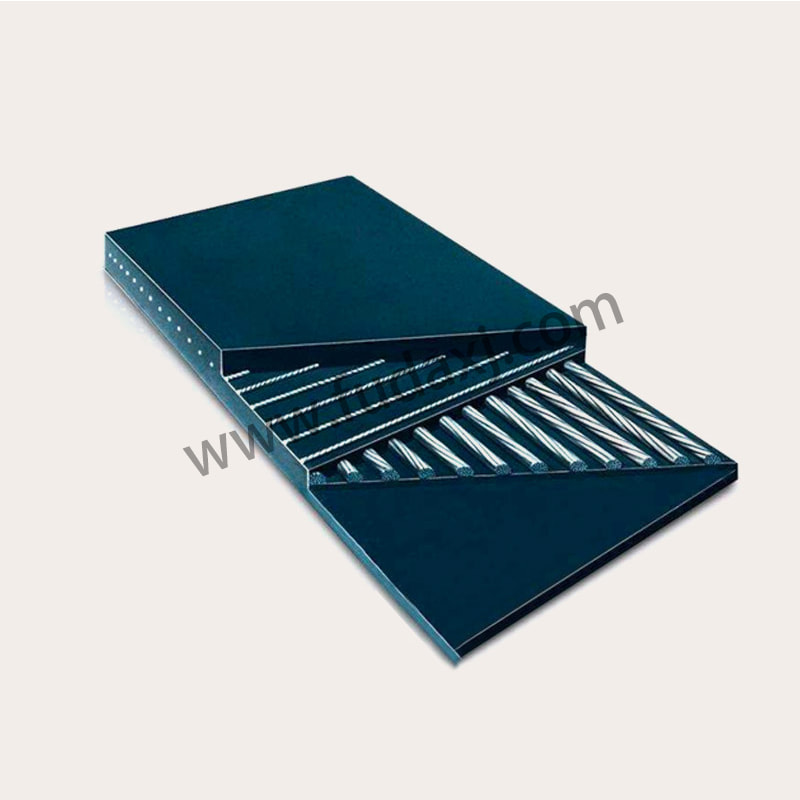
Why Belt Damage Matters in Material Handling
In mining, quarrying, cement production, and bulk material processing, conveyor belts move large volumes of materials between different stages of an operation. However, sharp rocks, metal fragments, and uneven loading can place considerable stress on the belt surface and internal structure. When the belt suffers a tear, production may be interrupted while the damaged section is assessed and the conveying system is restored.
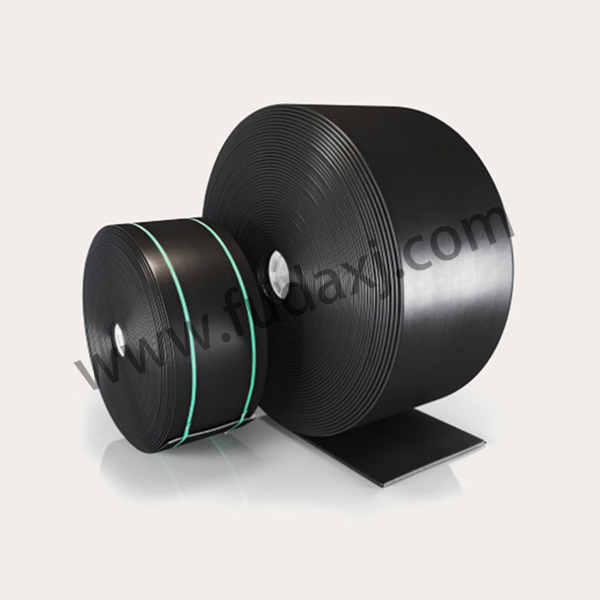
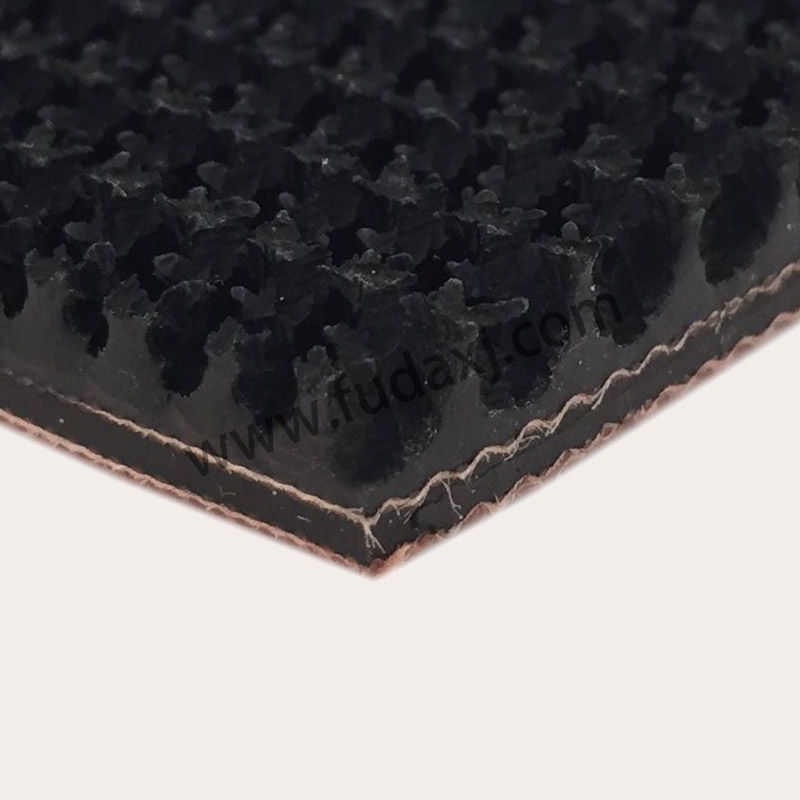
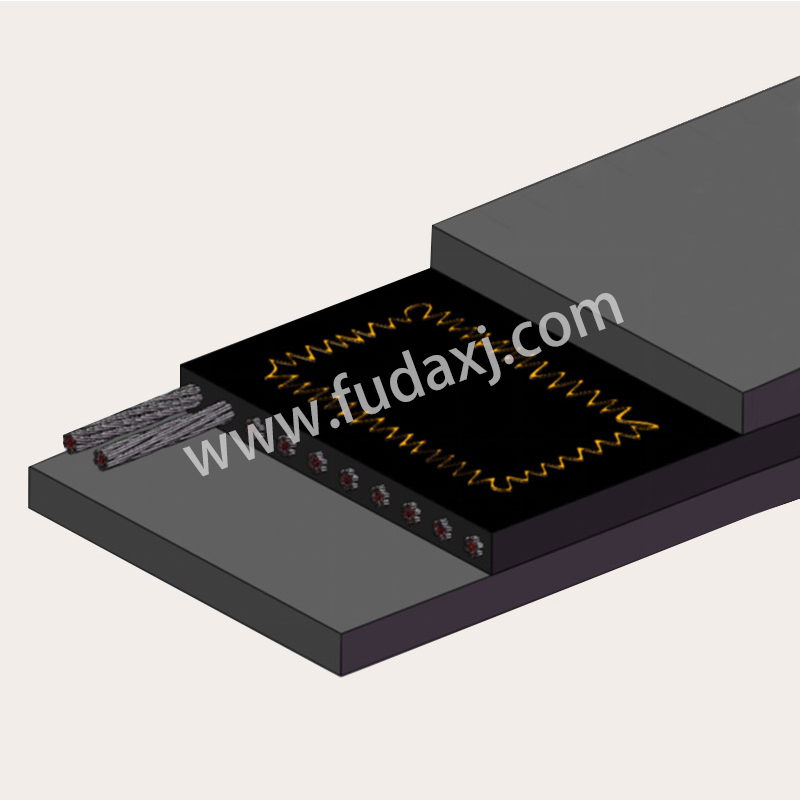
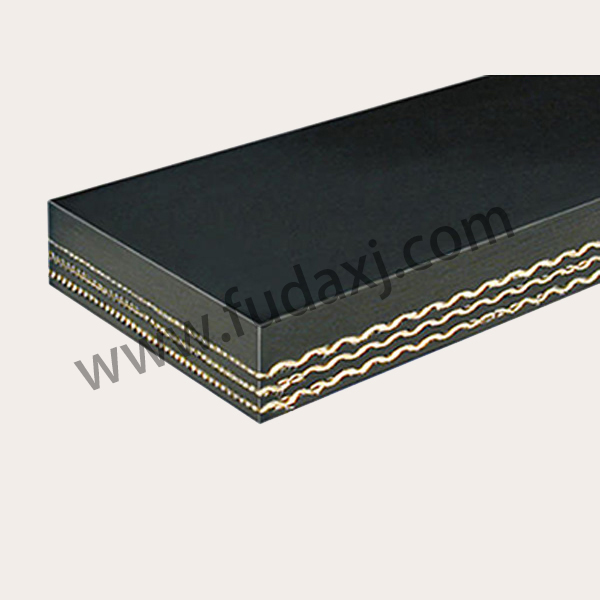
An Anti tear conveyor belt is designed to improve resistance to tearing under demanding operating conditions. Its construction may incorporate reinforced fabric, steel cords, transverse reinforcement, or other protective elements, depending on the belt design. These features help address the mechanical stresses associated with transporting abrasive or irregular materials.
Applications in Heavy Industries
Mining operations handle materials such as crushed rock, coal, and mineral ores, which may contain sharp edges and create substantial impact during loading. Quarrying facilities face similar conditions when transferring stone between crushers, screens, stockpiles, and transport areas.
Cement plants use conveyor systems to move limestone, clinker, and other bulk materials. Steel production facilities may also require specialized belts for handling mineral feedstocks and related industrial materials.
In these settings, an Anti tear conveyor belt may be considered for sections where falling material, sharp fragments, or concentrated loading increase the risk of belt damage. The suitability of a particular design depends on the material size, drop height, loading method, conveyor speed, and operating environment.
Choosing the Right Reinforcement Structure
Not every conveyor line experiences the same type of stress. A system carrying relatively uniform material may have different requirements from one receiving large rocks directly from a crusher.
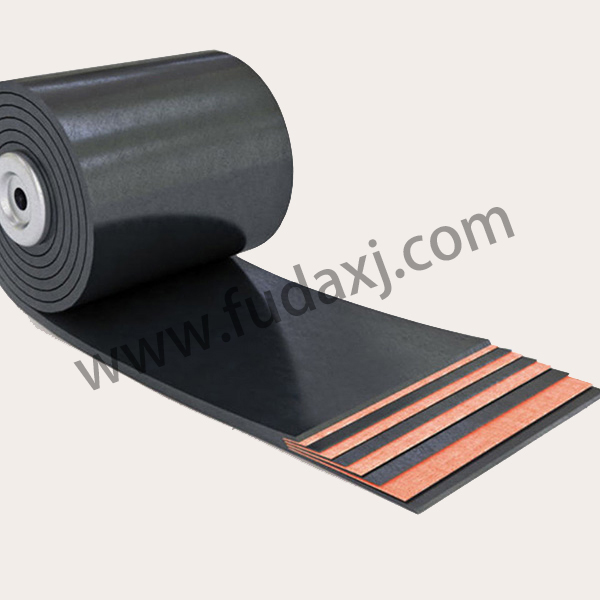
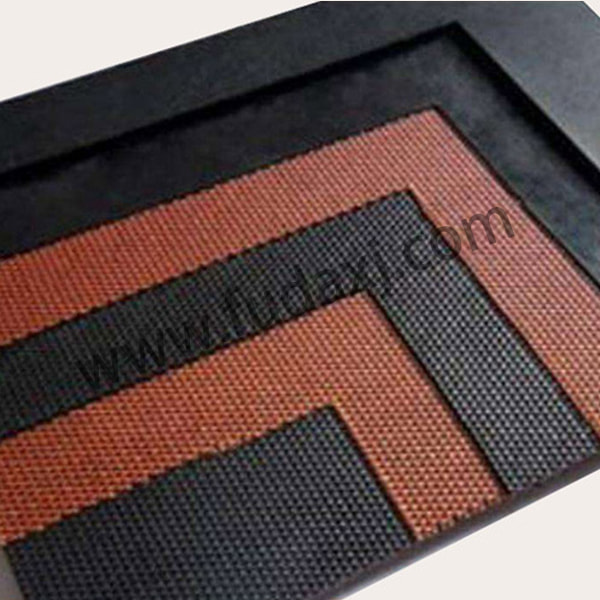
Fabric-reinforced belts and steel-cord belts have different structural characteristics. Fabric belts use textile layers to provide tensile strength, while steel-cord designs use steel cables as the main longitudinal reinforcement. Additional transverse reinforcement may be incorporated into either type, depending on the product design.
When comparing an Anti tear conveyor belt, procurement teams should clarify whether the primary concern is longitudinal tearing, impact damage, or a combination of both. They should also review the belt's tensile strength, reinforcement arrangement, cover thickness, and compatibility with the existing conveyor system.
These details help buyers compare products according to actual operating conditions instead of relying on product names alone.
Factors That Influence Belt Selection
Material characteristics are an important starting point. Large, sharp, or irregular particles can create different damage patterns from fine, evenly distributed materials. Loading height and chute design also affect the force applied to the belt when material lands on its surface.
Operating conditions deserve similar attention. Conveyor width, belt speed, system tension, pulley dimensions, and loading-point configuration can influence the requirements for a replacement or newly installed belt.
For buyers sourcing an Anti tear conveyor belt, providing these details to the supplier can make product recommendations more relevant. Drawings, existing belt specifications, and descriptions of the loading process can help clarify the requirements before an order is placed.
Balancing Tear Resistance With Other Requirements
Tear resistance is only one part of conveyor belt performance. Abrasion resistance, tensile strength, flexibility, and compatibility with conveyor components also affect suitability.
For example, a belt designed for heavy impact may have a different reinforcement structure from one intended primarily for long-distance conveying. The selected design should account for the combined demands of the application, including the material being transported and the conveyor's operating parameters.
An Anti tear conveyor belt should therefore be evaluated as part of the complete conveying system. A belt's protective construction needs to work with the loading arrangement and the mechanical requirements of the installation.
 Tel:0086-576-83070118
 Fax: 0086-576-83019528
 fudaxj@163.com
 Hongshan industrial Zone,Hongchou, Tiantai,zhejiang,317210,China