 Working hours:Mon - Sat 8.00 - 18.00
  Call Us:0086-576-83070118
 English
 简体中文
简体中文 Español
 عرب
عرب
 English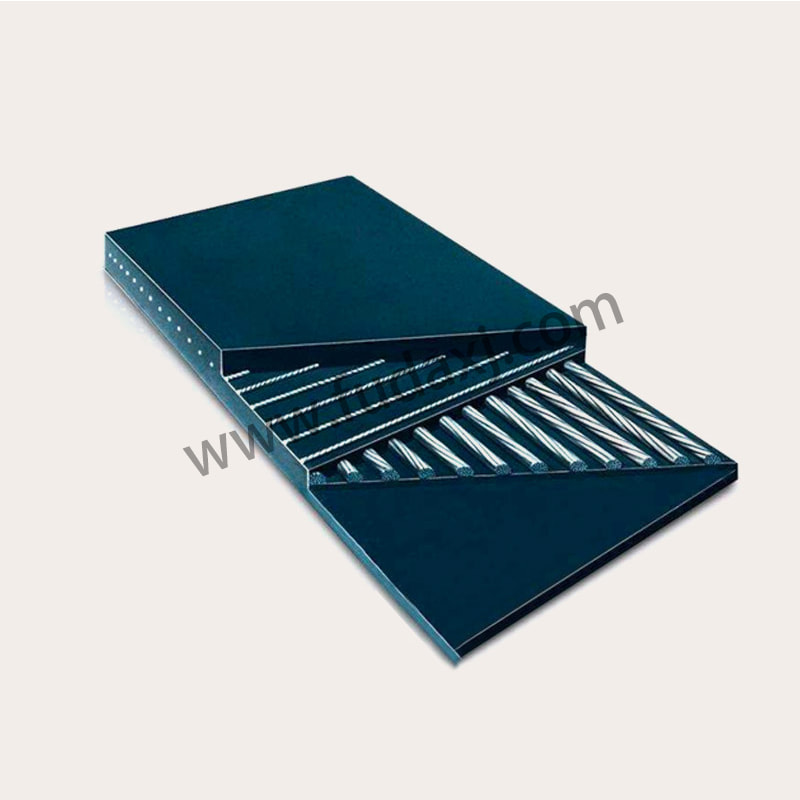
The industrial material handling sector continues advancing with anti tear conveyor belt emerging as important technology for operations facing challenging conditions where belt damage causes costly production interruptions. This specialized belting incorporates reinforcement features specifically designed to resist longitudinal tearing, the common and damaging failure modes in conveyor systems handling abrasive or sharp materials. The growing adoption of anti tear conveyor belt reflects industry recognition that prevention of belt damage delivers significant operational and economic benefits.
Mining and quarrying operations represent the primary market for anti tear conveyor belt products, where sharp-edged materials including ore, rock, and aggregate constantly threaten belt integrity. Materials conveyed in these applications can become wedged against structures or impact with sufficient force to initiate tears that rapidly propagate along belt length. Anti tear conveyor belt designs incorporating tear-resistant reinforcement layers or specialized cord constructions significantly reduce this risk, protecting production continuity.
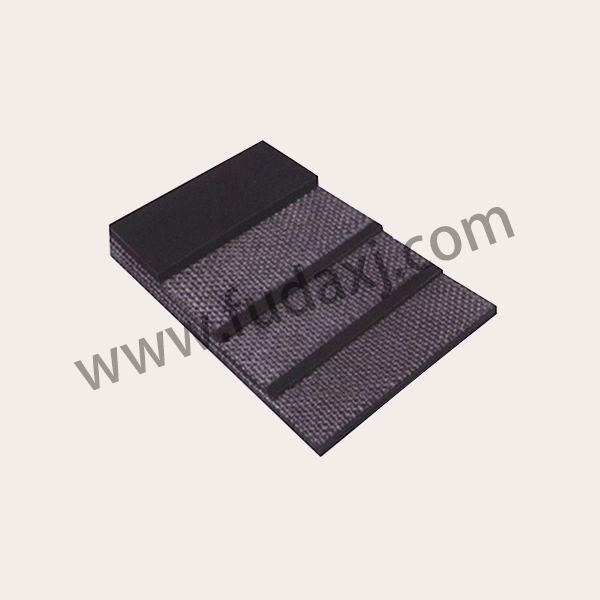
The construction of quality anti tear conveyor belt involves strategic integration of reinforcement elements within the belt carcass. Some designs incorporate transverse reinforcement, such as weft cords or fabric layers, that resist tear propagation across belt width. Others utilize breaker fabrics or steel cord constructions with inherent tear resistance characteristics. The engineering approach to anti tear conveyor belt varies based on specific application requirements and the nature of tear threats present.
Recycling and waste processing facilities increasingly specify anti tear conveyor belt for applications handling materials containing sharp objects capable of initiating belt damage. Scrap metal, construction debris, and municipal waste streams present unpredictable tear hazards that conventional belts may not withstand. Anti tear conveyor belt installations in these facilities reduce maintenance requirements and extend service life despite challenging operating conditions.
Wood processing industries including lumber mills and panel manufacturers utilize anti tear conveyor belt for handling materials with splintering and sharp edge characteristics. Bark, chips, and unfinished wood products can contain embedded debris or sharp projections threatening belt integrity. The tear resistance of specialized anti tear conveyor belt constructions proves valuable in these applications where belt damage would cause production interruptions.
Steel and metal processing facilities generate sharp scrap and finished materials requiring conveyor transport. Anti tear conveyor belt installations protect against damage from metal edges that could otherwise initiate tears during normal operation or minor misalignment incidents. The cost of belt replacement and production downtime justifies investment in enhanced tear resistance for these demanding applications.
Tear detection systems often complement anti tear conveyor belt installations, providing early warning of damage before catastrophic failure occurs. Embedded sensors or loop-type detection cords embedded within anti tear conveyor belt trigger system shutdown when damage reaches critical levels, limiting tear length and facilitating repair. This integrated approach combining tear-resistant construction with detection capability improves protection against conveyor damage.
The economic case for anti tear conveyor belt investment rests on comparing incremental cost against potential losses from belt failure. Extended belt life, reduced maintenance requirements, and prevention of production interruptions typically justify the additional investment in applications with significant tear risk. Operations managers evaluate specific threat levels when determining appropriate anti tear conveyor belt specifications.
Research continues advancing anti tear conveyor belt technology through improved materials and construction techniques. Advanced fabric weaves, optimized cord placements, and new polymer formulations enhance tear resistance while maintaining flexibility and troughing characteristics. These developments ensure anti tear conveyor belt remains effective protection against the evolving challenges of modern material handling operations requiring up to reliability from critical conveyor systems.
 Tel:0086-576-83070118
 Fax: 0086-576-83019528
 fudaxj@163.com
 Hongshan industrial Zone,Hongchou, Tiantai,zhejiang,317210,China