 Working hours:Mon - Sat 8.00 - 18.00
  Call Us:0086-576-83070118
 English
 简体中文
简体中文 Español
 عرب
عرب
 English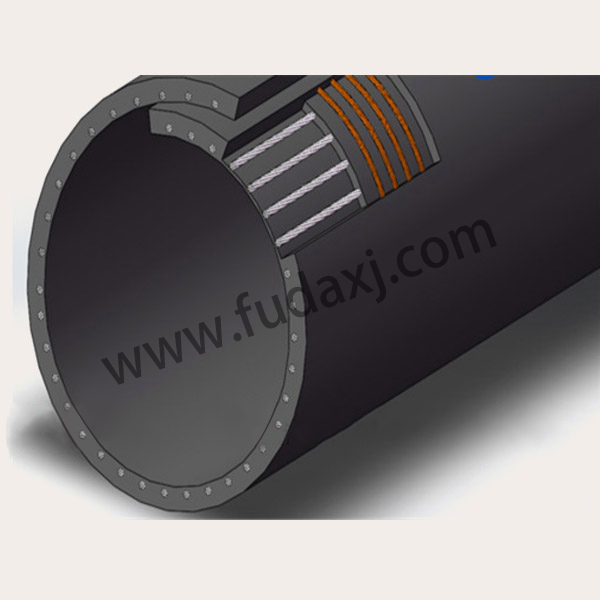
Tunnel boring machines chew through rock and soil continuously as they advance, and all that excavated material has to go somewhere fast. A TBM steel cord conveyor belt handles this job, moving spoil material from the cutting face back through the tunnel toward the entry point, often over distances that stretch for kilometers as the tunnel progresses. Because this work happens in a confined, constantly extending underground space, the belt itself needs a specific set of engineering characteristics that separate it from conveyor systems used in open-air mining or industrial settings.
Why Steel Cord Reinforcement Matters Here
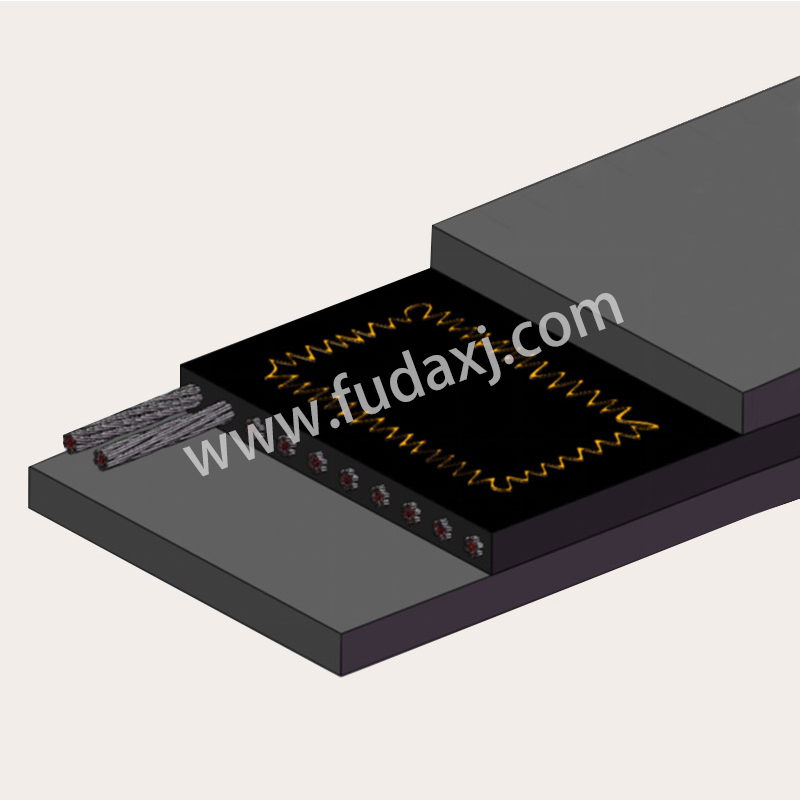
The defining feature of a TBM steel cord conveyor belt is exactly what its name suggests: steel cables embedded lengthwise within the rubber body of the belt. These cords give the belt enough tensile strength to handle the pulling forces involved in moving material across long, continuous stretches without stretching or deforming under load. Fabric-reinforced belts can work in shorter, lighter-duty applications, but tunnel boring projects typically demand the added strength steel cord construction provides, especially as the conveyor line extends further from the tunnel entrance during ongoing excavation.
Cord diameter and spacing within the belt get calculated based on projected tension loads, which depend on tunnel length, incline, and the weight of material being transported. A belt running a shorter tunnel section faces different stress calculations than one supporting a system stretching several kilometers underground.
How These Belts Fit Into Confined Tunnel Spaces
Space constraints inside a tunnel shape nearly every aspect of how a TBM steel cord conveyor belt gets installed and operated. Unlike surface conveyor systems that have room to spread out, tunnel installations need to fit within a fixed diameter alongside other equipment, ventilation ducts, and worker access paths. This often means belt width gets carefully matched to available clearance rather than sized purely around throughput targets.
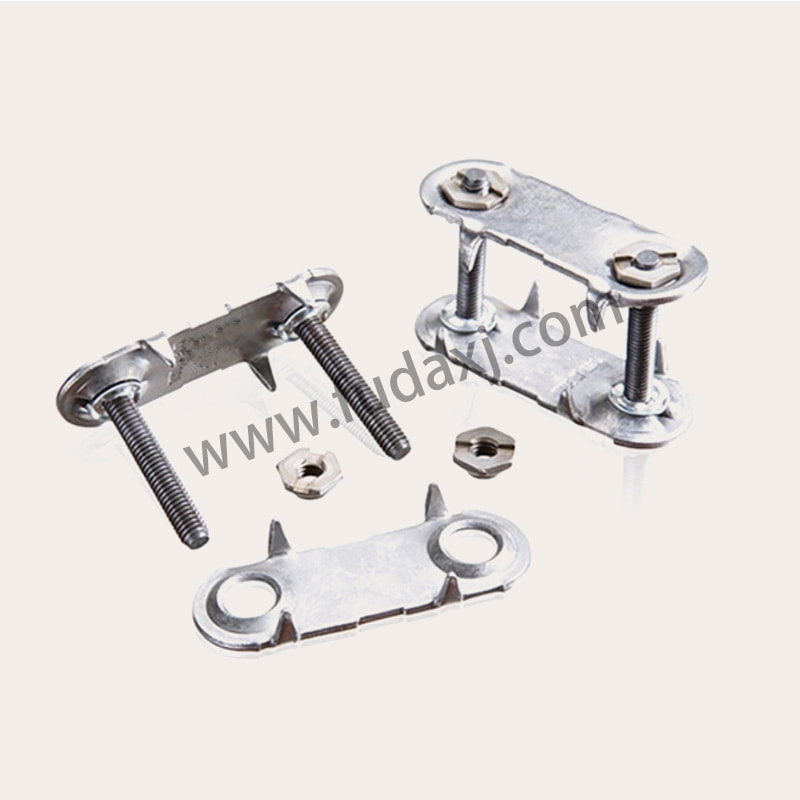
As the tunnel boring machine advances, the conveyor system typically needs to extend along with it, which introduces additional structural considerations around splicing and belt length management that don't come up in fixed, permanent conveyor installations.
Key Construction Layers In These Belts
A TBM steel cord conveyor belt is built from several distinct layers, each contributing to how the belt performs under sustained underground use. Typical construction includes:
- A top rubber cover resistant to abrasion from rock fragments and excavated debris
- Steel cord reinforcement running the length of the belt for tensile strength
- A bottom cover layer protecting against wear from support rollers and pulleys
- Edge sealing along both sides to prevent moisture or debris from reaching the internal cords
Moisture resistance deserves particular attention in tunnel environments, since underground conditions often involve groundwater seepage or humidity that could corrode exposed steel cords if the belt's edge sealing isn't properly maintained during production.
Handling Curves And Incline Changes Underground
Tunnel routes aren't always straight, and elevation changes are common depending on the project's geological path. A TBM steel cord conveyor belt needs enough flexibility to navigate gentle curves without cord damage, while still maintaining the rigidity needed to carry heavy loads in a straight line along the majority of the tunnel's length. Belt manufacturers typically balance cord spacing and rubber compound flexibility to achieve this combination, since cords placed too closely together can reduce the belt's ability to flex around bends.
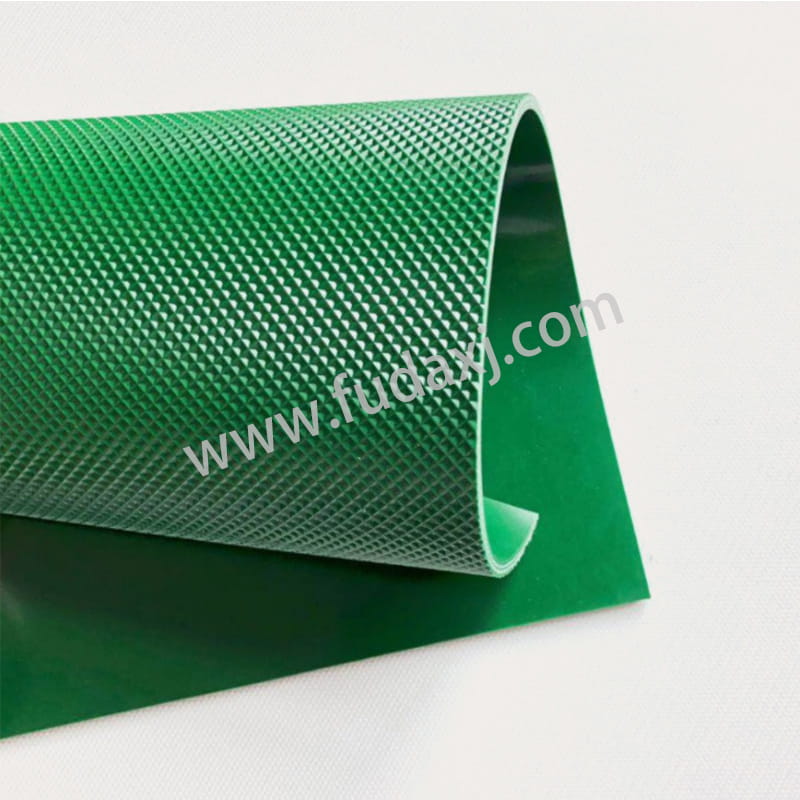
Incline sections present a separate challenge, often requiring surface texturing or cleat patterns similar to those used in surface mining applications, helping prevent excavated material from sliding backward as the belt moves upward through sloped sections of the tunnel.
 Tel:0086-576-83070118
 Fax: 0086-576-83019528
 fudaxj@163.com
 Hongshan industrial Zone,Hongchou, Tiantai,zhejiang,317210,China