 Working hours:Mon - Sat 8.00 - 18.00
 Call Us:0086-576-83070118
 English
 简体中文
 Español
 عرب

 English
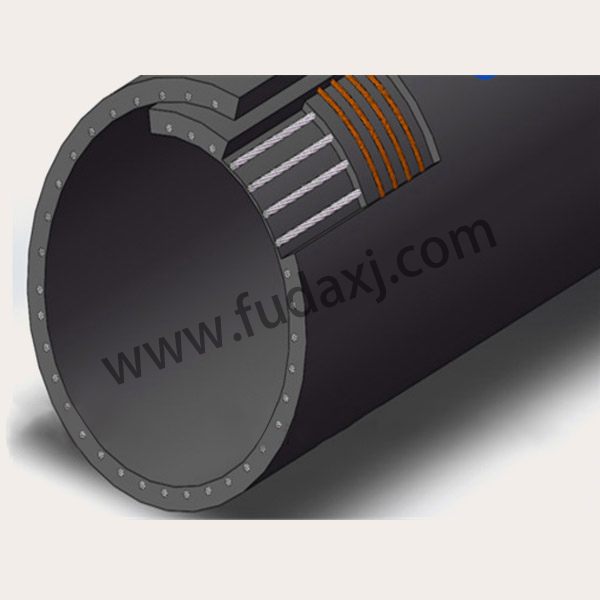
Conveyor belt systems form a core part of material handling across manufacturing plants, warehouses, and distribution centers. Facility managers and operations teams examine how these continuous transport units fit into existing floor plans to keep goods moving at a steady pace. Their modular design allows integration with sorting stations, packing lines, and loading zones without major structural changes.
Supporting Steady Movement of Goods
Daily operations in industrial sites involve constant transfer of packages, components, and bulk items. A conveyor belt helps move products from one process point to another so staff can focus on value-adding tasks rather than repeated lifting or carrying. Positioned between production machines or along packing routes, these systems create defined paths that reduce congestion in high-traffic areas.
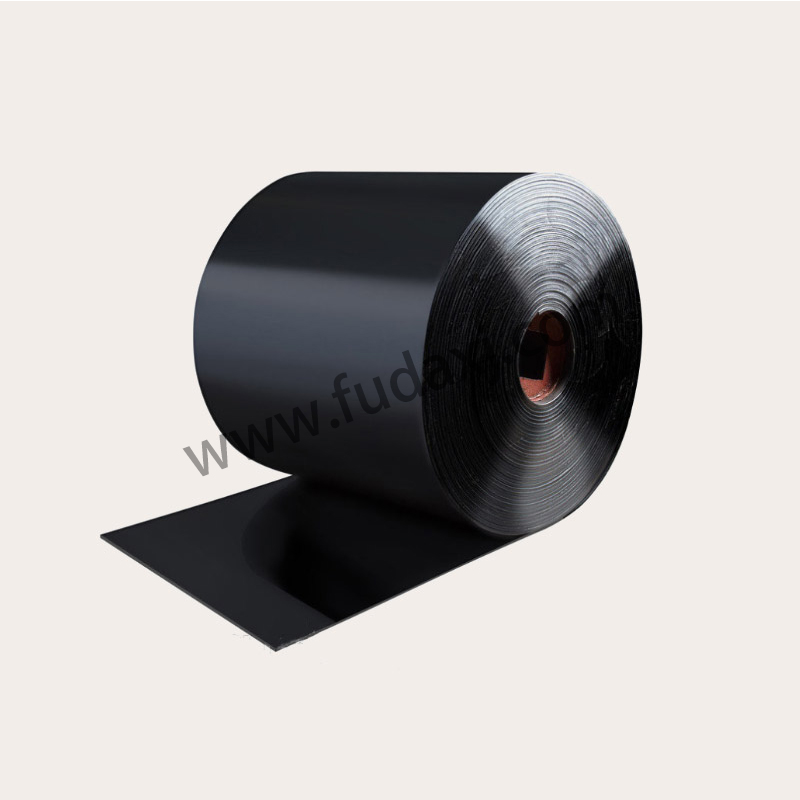
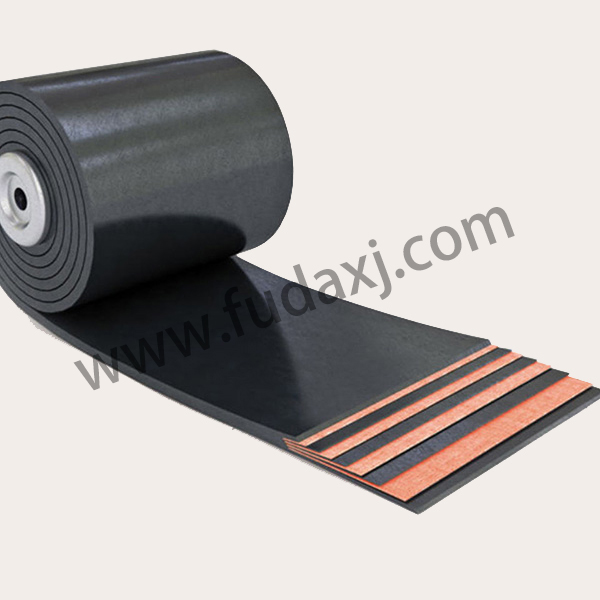
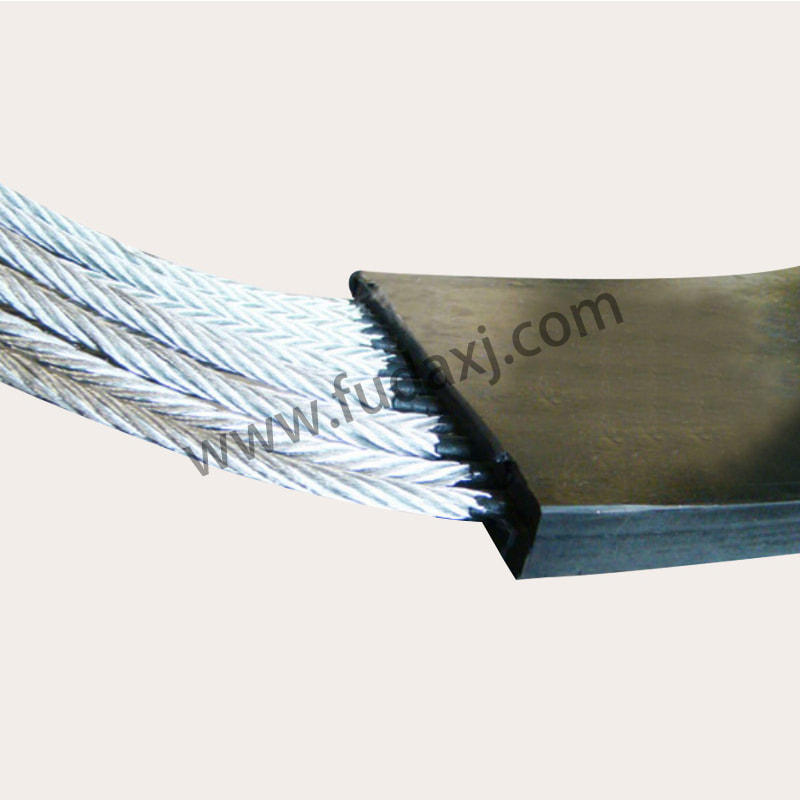
Belt surfaces vary according to the load. Flat fabric or modular plastic options handle cartons and lighter assemblies, while heavier-duty versions manage denser materials. Teams often configure multiple sections in sequence, linking intake points with inspection or labeling stations. This arrangement shortens travel time for each item and keeps the overall flow predictable during peak periods.
Matching Design to Operational Needs
Conveyor belt construction includes frames, drive units, and tracking components that work together to maintain consistent speed. Roller beds or slider beds support the belt under different weights. Adjustable height legs allow alignment with work surfaces or existing machinery.
In facilities where product sizes change frequently, modular sections make it practical to reconfigure routes. Side rails or guides keep items centered during transport. Some layouts incorporate curves or incline sections so the same system can connect floors or navigate around fixed equipment. The choice of belt material and frame type depends on the volume and nature of the goods being moved.
Integrating into Facility Layouts
In warehouse environments, a conveyor belt can run parallel to racking aisles or link receiving docks with sorting zones. The continuous path reduces the need for forklifts in certain corridors, freeing those vehicles for other duties. In production areas, the system often sits between assembly stations so components arrive in sequence.
Layout planners measure clearances for walkways and emergency access when positioning the units. Drive stations are placed at points that allow easy observation of belt tracking. In multi-line facilities, parallel conveyors support simultaneous processing of different product streams without cross-interference.
Aligning with Workflow Patterns
Staff movement and task timing influence placement decisions. A conveyor belt positioned near high-volume packing stations cuts the distance operators travel to retrieve items. In distribution centers, the system feeds into automated scanners or labeling machines, creating a continuous sequence from arrival to dispatch.
Project teams sometimes add temporary sections during seasonal volume increases, then remove them once demand levels off. Clear visibility along the belt length helps supervisors monitor progress without walking the entire floor. When combined with simple speed controls, the system adapts to the pace of upstream and downstream processes.
Conveyor belt solutions function as quiet tools for keeping materials in continuous motion. By addressing transport needs, design flexibility, spatial integration, and workflow support, they help teams maintain clearer routes and more predictable routines across manufacturing, warehouse, and distribution facilities.
 Tel:0086-576-83070118
 Fax: 0086-576-83019528
 fudaxj@163.com
 Hongshan industrial Zone,Hongchou, Tiantai,zhejiang,317210,China
