 Working hours:Mon - Sat 8.00 - 18.00
  Call Us:0086-576-83070118
 English
 简体中文
简体中文 Español
 عرب
عرب
 English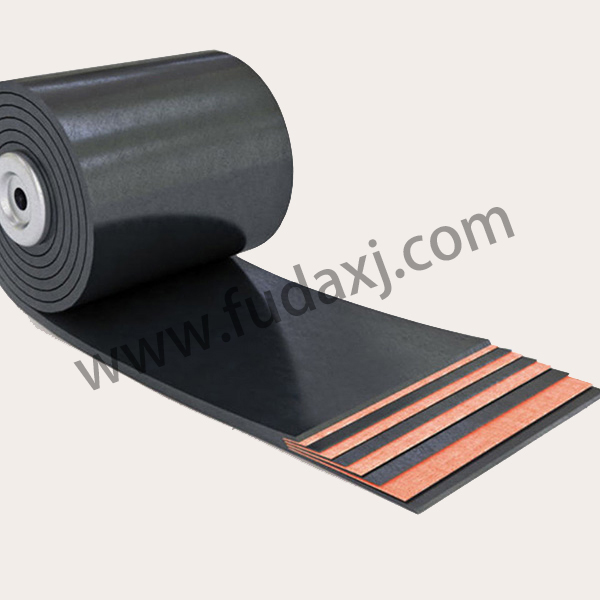
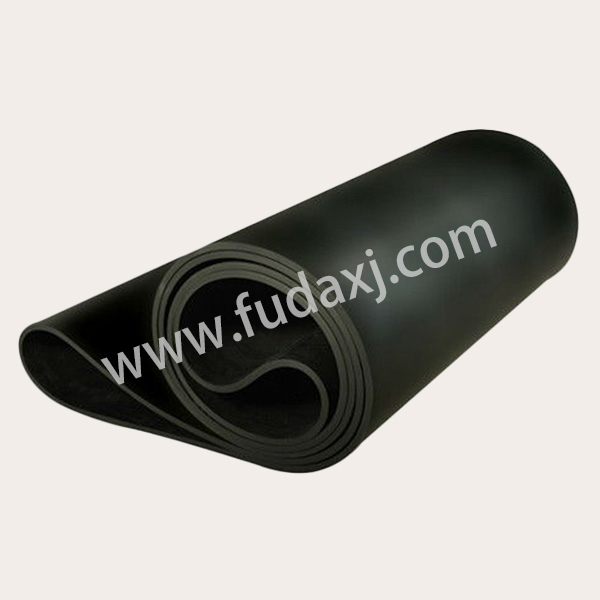
Within the extensive network of global industry, the movement of bulk materials—from mined ore and agricultural products to packaged goods—relies heavily on durable and reliable conveying systems. A central component in these systems is the EP conveyor belt, a workhorse defined by its specific carcass construction. The designation "EP" refers to the belt's reinforcement: piles of polyester (E) warp fibers and polyamide (P) weft fibers. This engineered fabric provides a balance of key properties that sustain the EP conveyor belt as a prevalent choice across numerous sectors.
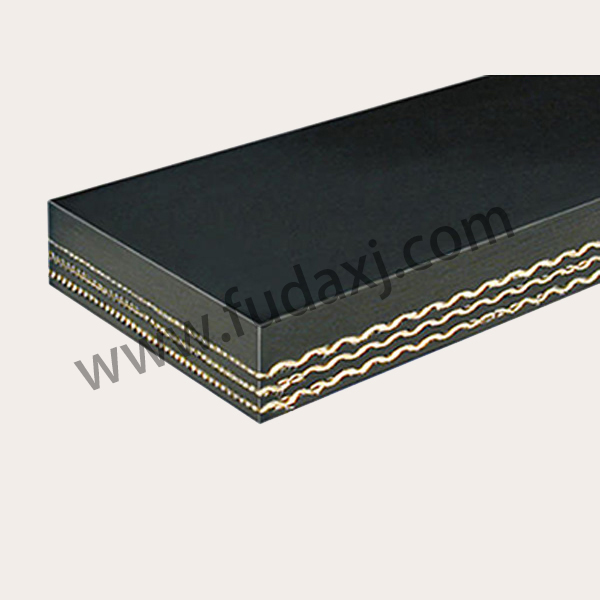
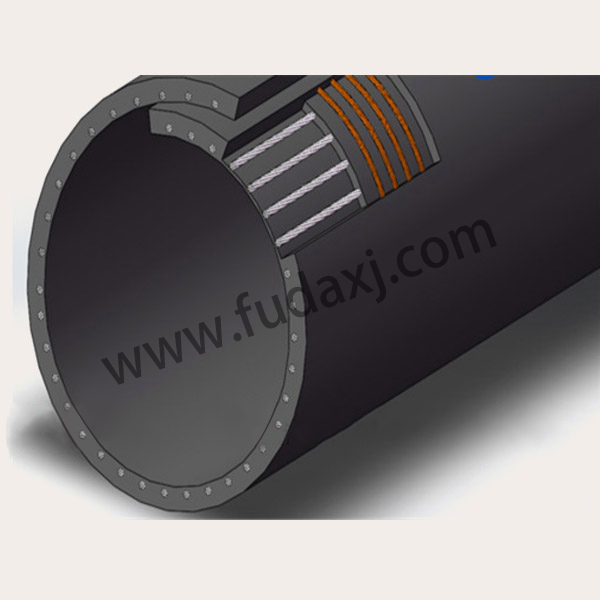
The core strength of an EP conveyor belt lies in its synthetic fabric carcass. The polyester warp fibers offer low elongation under tension, meaning the belt resists stretching during operation, which is crucial for maintaining tracking and efficient power transmission over long distances. The polyamide (nylon) weft fibers contribute high flexibility and impact resistance, allowing the EP conveyor belt to absorb the shock of loading and conform to conveyor pulleys. This combination within the EP conveyor belt creates a carcass that is both dimensionally stable and tough, capable of handling substantial loads and tensile forces.
The applications for an EP conveyor belt are diverse and critical to continuous operations. In mining and quarrying, EP conveyor belt systems transport coal, aggregates, and minerals overland and underground, often in demanding environments. Ports and terminals utilize extensive EP conveyor belt networks for efficiently loading and unloading ships. In agriculture, EP conveyor belt units move grain, sugar, and other crops through processing facilities. Manufacturing plants also depend on the EP conveyor belt for assembly line processes and internal logistics. The versatility in carcass ply number and strength ratings allows for the specification of an EP conveyor belt suitable for light-duty packaging lines or heavy-duty bulk material transport spanning kilometers.
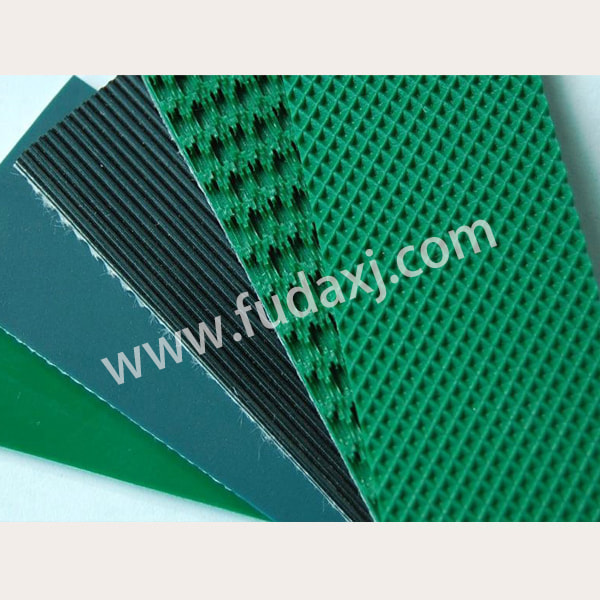
Beyond the carcass, the performance of an EP conveyor belt is defined by its cover compounds. The top and bottom covers are made from various grades of rubber or PVC, selected based on the material being conveyed and the operating environment. Covers can be designed for abrasion resistance, cut resistance, oil resistance, or fire retardancy. A well-specified cover is essential for protecting the EP conveyor belt carcass from wear, impact, and environmental degradation, thereby extending its service life. Proper selection ensures the EP conveyor belt performs reliably when handling sharp ores, hot materials, or food products.
Operational efficiency and cost management are directly linked to the selection and maintenance of the EP conveyor belt. Its low-stretch characteristic helps less energy loss and reduces the need for frequent take-up adjustments. However, like all conveyor components, an EP conveyor belt requires proper installation, tracking, and routine inspection. Monitoring for issues like edge wear, belt misalignment, and mechanical damage from belt fasteners or idlers is necessary to prevent premature failure. When replacement is needed, the widespread standardization of EP conveyor belt constructions facilitates procurement and compatibility with existing conveyor frames.
The fundamental role of the EP conveyor belt in global material handling appears assured. As industries strive for greater automation and efficiency in their supply chains, reliable conveying remains a cornerstone. The ongoing development of sensor technology for monitoring EP conveyor belt condition—such as embedded rip detection systems—points towards a future of smarter, more predictive maintenance. By combining proven mechanical strength with adaptive cover technology and evolving support systems, the EP conveyor belt will continue to be a vital artery for the movement of goods that underpin the modern economy.
 Tel:0086-576-83070118
 Fax: 0086-576-83019528
 fudaxj@163.com
 Hongshan industrial Zone,Hongchou, Tiantai,zhejiang,317210,China