 Working hours:Mon - Sat 8.00 - 18.00
  Call Us:0086-576-83070118
 English
 简体中文
简体中文 Español
 عرب
عرب
 English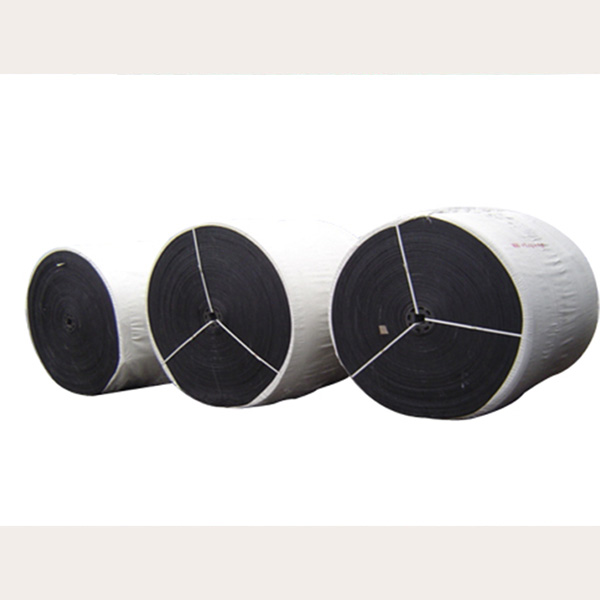
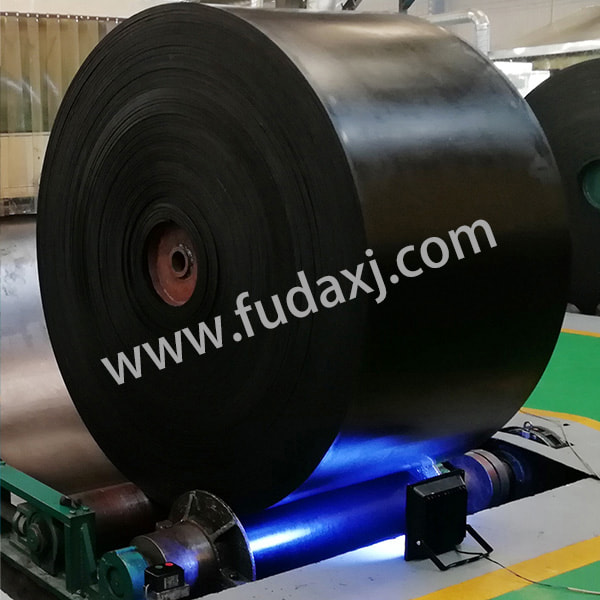
The mining conveyor belt has become the primary method for transporting ore, coal, and overburden in surface and underground operations. Unlike truck haulage that requires fuel and driver labor, a mining conveyor belt moves material continuously with lower energy consumption per ton. Mine operators have installed mining conveyor belt systems to reduce haulage costs and improve production efficiency. The length of a mining conveyor belt in large operations can extend several kilometers from pit bottom to processing plant. Equipment manufacturers continue to develop mining conveyor belt designs with higher strength and longer life.
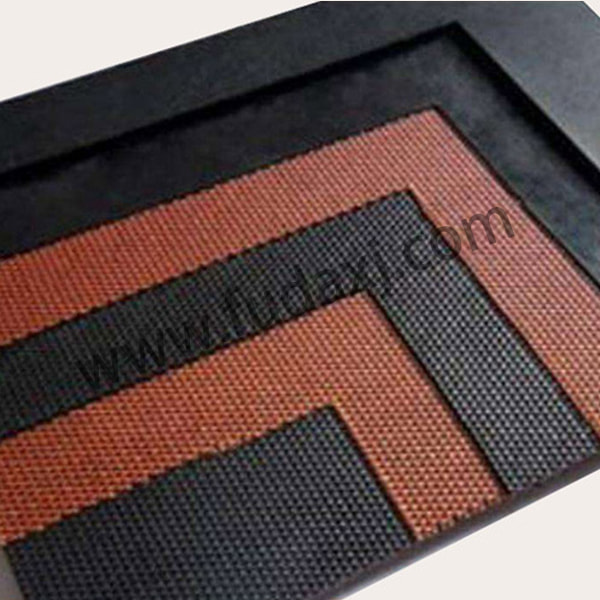
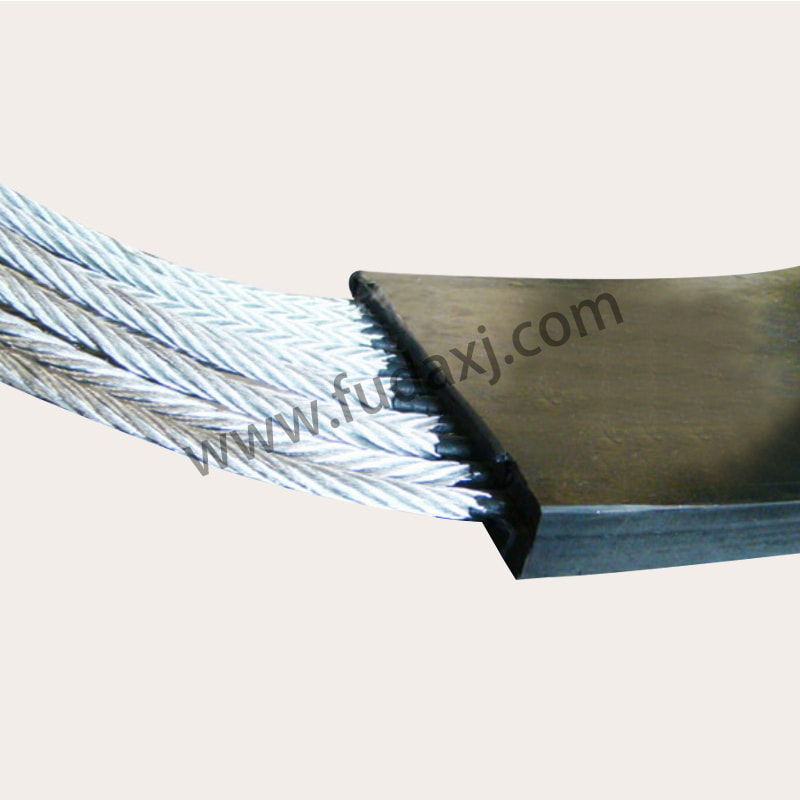
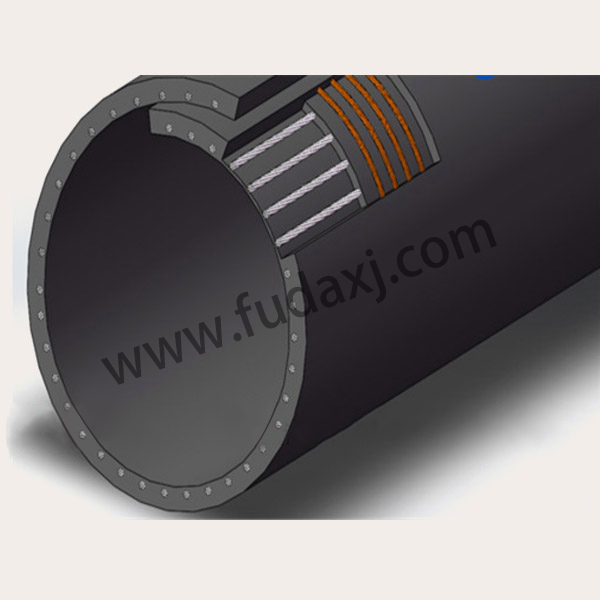
Carcass construction of a mining conveyor belt determines its tensile strength and impact resistance. A fabric-reinforced mining conveyor belt uses polyester or nylon plies for applications with moderate tension and impact. A steel cord mining conveyor belt incorporates multiple wire strands for high-tension overland systems. The cover thickness on a mining conveyor belt ranges from 4 to 15 millimeters depending on material abrasiveness. A mining conveyor belt carrying large, sharp ore requires thicker covers than one handling fine coal. The width of a mining conveyor belt in major operations ranges from 800 to 2,400 millimeters.
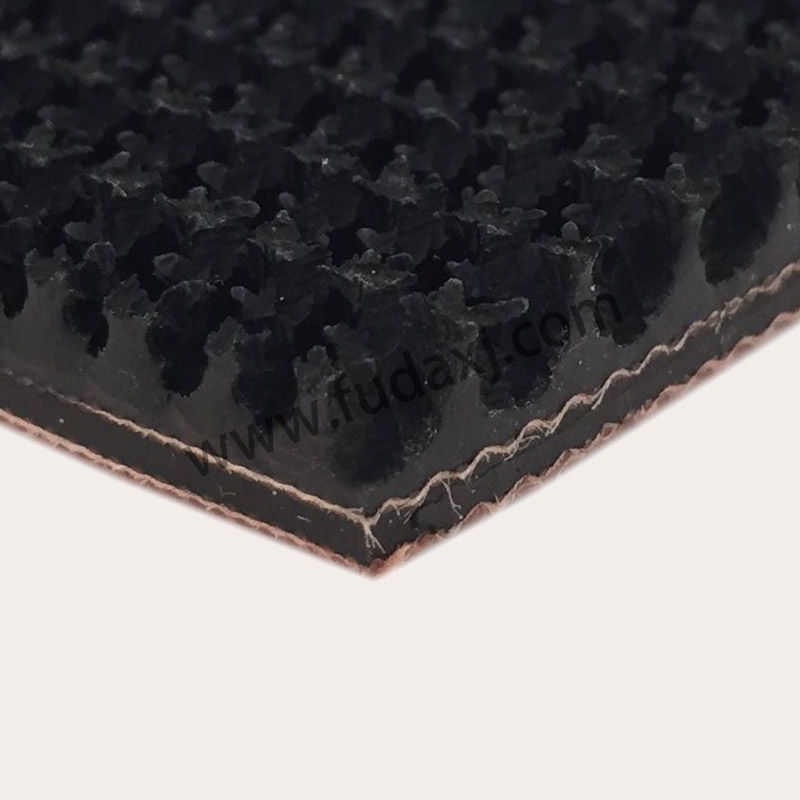
Cover compound selection for a mining conveyor belt depends on the material being transported. A grade A cover on a mining conveyor belt resists abrasion from crushed rock and hard ores. A grade F cover on a mining conveyor belt provides flame resistance for underground coal applications. A grade T cover on a mining conveyor belt withstands oil or chemical contact in mineral processing. The tensile strength of a mining conveyor belt cover affects how it resists gouging from large material impacts. A rubber compound with good elasticity on a mining conveyor belt maintains flexibility in cold climates.
Impact loading zones on a mining conveyor belt require special design attention. A mining conveyor belt passing under a crusher discharge or chute experiences concentrated forces from falling rock. Impact bars or idlers with rubber rings support a mining conveyor belt at loading points. A mining conveyor belt with thicker cover or additional breaker plies resists puncture from embedded material. The conveyor speed under a loading point should be matched to material flow to prevent damage. A properly designed chute for a mining conveyor belt presents material at the same speed and direction as the belt.
Splicing methods for a mining conveyor belt affect system reliability. A vulcanized splice on a mining conveyor belt provides full-strength joint capability for steel cord belts. A mechanical fastener on a mining conveyor belt suits temporary repairs or low-tension applications. The vulcanizing process for a mining conveyor belt requires controlled temperature and pressure for proper cure. A finger or stepped splice pattern on a mining conveyor belt distributes tension evenly across the joint. The splice efficiency rating for a mining conveyor belt indicates how much of the belt's original strength remains.
The mining conveyor belt will likely remain the dominant bulk transport method in large mines. Advances in belt monitoring may add real-time wear and tension tracking for mining conveyor belt systems. For mine operators seeking efficient material movement, the mining conveyor belt offers a proven solution.
 Tel:0086-576-83070118
 Fax: 0086-576-83019528
 fudaxj@163.com
 Hongshan industrial Zone,Hongchou, Tiantai,zhejiang,317210,China