Working hours:Mon - Sat 8.00 - 18.00
  Call Us:0086-576-83070118
 English
 简体中文
简体中文 Español
 عرب
عرب
 English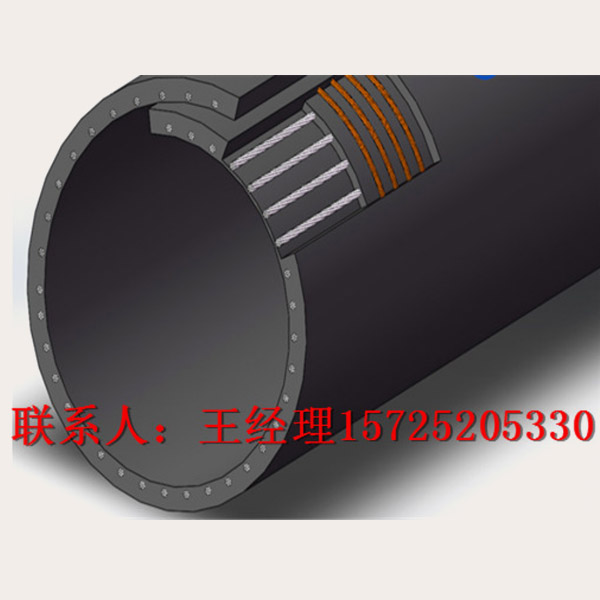
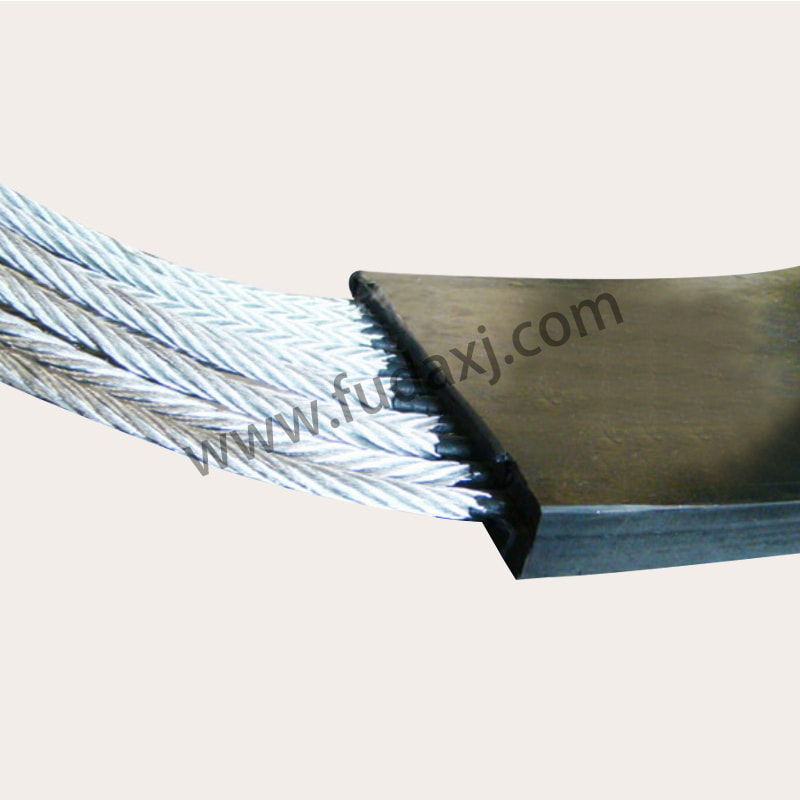
In the demanding sectors of bulk material handling—where distance, load, and reliability are non-negotiable—a specialized type of belting provides the necessary muscular strength: the steel cord conveyor belt. This is not a fabric-reinforced belt but a robust composite whose core tensile strength comes from parallel steel cables embedded longitudinally within its rubber body. Designed for long-distance transport and heavy-duty applications, the steel cord conveyor belt is the critical link in operations where conventional fabric belts would fail, serving as the high-capacity backbone for industries like mining, quarrying, and large-scale port logistics.
The defining feature of a steel cord conveyor belt is its unique reinforcement structure. Instead of layers of woven fabric, its core consists of high-tensile steel wires, each individually coated with brass or zinc to ensure ideal adhesion to the surrounding rubber matrix. These cables are arranged in a single layer, providing immense longitudinal tensile strength while maintaining flexibility across the belt's width. This design allows a steel cord conveyor belt to operate over exceptionally long distances—sometimes spanning many kilometers between loading and discharge points—with small stretch and predominant resistance to impact and tear propagation. The rubber covers, top and bottom, are compounded for specific resistance to abrasion, cutting, and the material being conveyed.
The primary application of the steel cord conveyor belt is in high-tonnage, long-haul conveying systems. In surface mining, these belts move thousands of tons of overburden, coal, or ore per hour from the pit to processing plants or stockpiles, often navigating significant inclines. At major ports, steel cord conveyor belt systems form the core of bulk terminal operations, transferring commodities like iron ore and grain from ship holds to land-based storage with unmatched efficiency. Their ability to handle the punishing loads and continuous operation of such environments makes the steel cord conveyor belt indispensable for infrastructure that forms the foundation of global resource supply chains.
Durability and engineered safety are paramount in the design and manufacture of a steel cord conveyor belt. The steel cords must exhibit outstanding fatigue resistance to withstand the constant bending over pulleys and idlers. The bond between the rubber and the steel cords is critical; it must remain secure under bad tension, temperature variations, and dynamic loading to prevent delamination. Production involves a meticulous process of cable arrangement, rubber calendering, and vulcanization in a press to create a seamless, homogenous belt. Quality control includes rigorous testing of cord adhesion, tensile strength, and electrical conductivity to ensure safe and reliable performance.
Innovation in steel cord conveyor belt technology focuses on enhancing longevity, energy efficiency, and monitoring capabilities. Developments include advanced rubber compounds that offer better resistance to wear and environmental degradation, the integration of sensor strands within the belt for real-time monitoring of tension, tears, or cord breaks, and designs that further reduce rolling resistance to lower the energy consumption of the entire conveyor system. As mining and bulk handling projects pursue greater economies of scale and operational sustainability, the continuous improvement of the steel cord conveyor belt—making it stronger, smarter, and more durable—will remain vital for moving the mountains of material that fuel modern industry and infrastructure.
 Tel:0086-576-83070118
 Fax: 0086-576-83019528
 fudaxj@163.com
 Hongshan industrial Zone,Hongchou, Tiantai,zhejiang,317210,China