 Working hours:Mon - Sat 8.00 - 18.00
  Call Us:0086-576-83070118
 English
 简体中文
简体中文 Español
 عرب
عرب
 English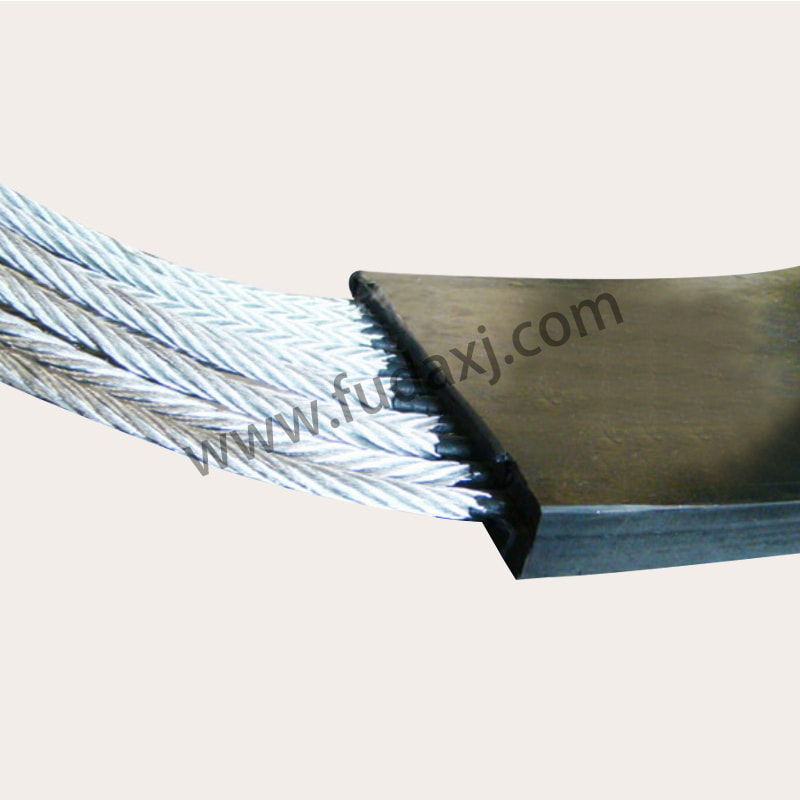
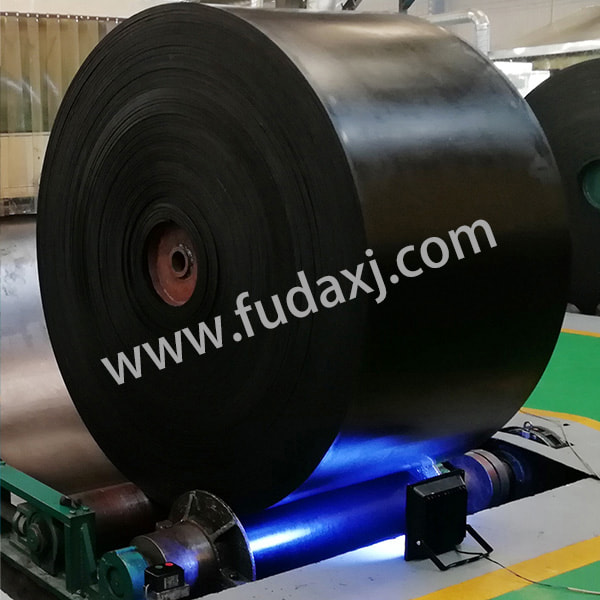
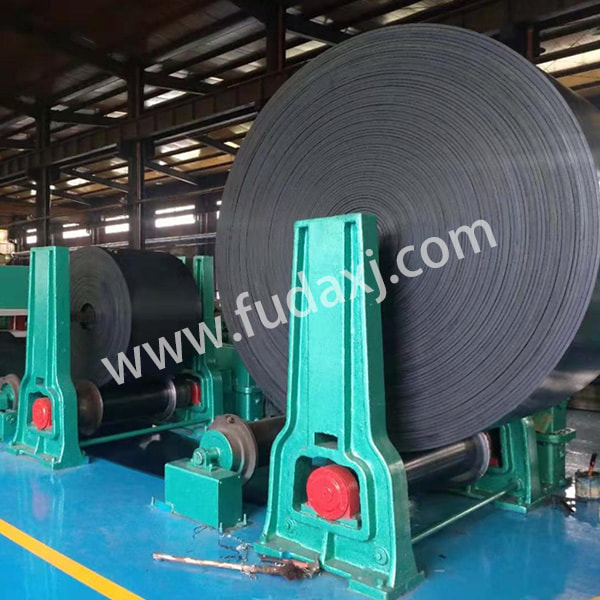
Steel cord conveyor belts handle the movement of heavy materials across many industrial sites. These belts use steel cables inside to carry loads over long distances and up inclines. They show up in mining operations, ports, and large manufacturing plants where steady material flow matters for daily output.
Basic Structure of Steel Cord Conveyor Belts
Each belt is built around steel cords that run longitudinally through the interior, enclosed by rubber covers on both sides. The cords handle tensile stress and limit stretching under load, while the rubber protects the internal structure and maintains pulley contact.
Cord placement is engineered to share the load evenly across the belt width, avoiding stress concentration in any single zone. That even distribution helps the belt stay in shape and run without issue through extended operating periods.
How Steel Cord Conveyor Belts Operate in Practice
At each end of the conveyor sits a pulley, and the belt runs in a loop between them. One pulley pushes things forward, the other holds the return side tight. Whatever's being moved rides along the top, whether that means going uphill or taking a turn somewhere along the way.
Once the loads get serious — ore, coal, gravel piling on by the ton — the steel cords are what stop the belt from slowing down or giving way. They're built to take that kind of punishment. The rest falls on the operators, who stay on top of tension and alignment to keep the belt running straight without drifting off course.
Features That Support Long-Run Performance
The steel cords inside these belts offer high tensile strength, which helps them manage heavy loads without excessive elongation. Rubber compounds on the carrying side resist cuts and wear from sharp or abrasive materials. The belts come in various thicknesses and cord densities so users can select ones suited to their conveyor length and load requirements. Some designs include special edge protection to reduce the chance of fraying during constant operation. The overall construction allows the belts to flex around pulleys while keeping their shape under pressure.
Steel cord conveyor belts form a basic part of many material transport systems around the world. They connect different stages of production by keeping materials moving without constant manual handling. Workers in these facilities depend on the belts to maintain flow rates throughout long operating hours. The combination of rubber and steel creates a durable loop that can span hundreds of meters in some installations.
In busy industrial yards, you might see these belts running continuously as trucks dump fresh loads at one end and processed materials exit at the other. The steel reinforcement means the belt can take the impact of heavy drops without tearing. Many systems include idler rollers underneath that support the weight and reduce friction as the belt moves forward. This setup helps facilities move large quantities efficiently while keeping the operation relatively straightforward.
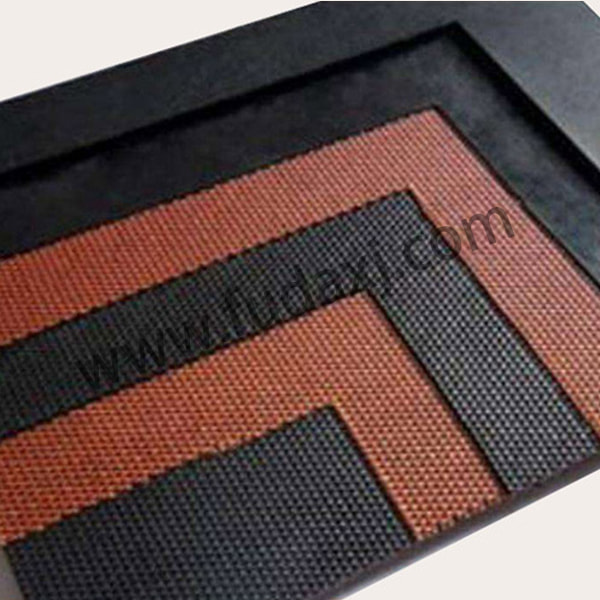
Different widths allow steel cord conveyor belts to fit narrow pathways in some plants or spread out for higher capacity in others. The cords run parallel in most cases, though some custom versions adjust the spacing for particular tension needs. Rubber grooves or patterns sometimes appear on the surface to help materials stay in place on steeper sections. These practical touches come from real-world use in demanding environments where downtime needs to stay low.
From underground mines to above-ground quarries, steel cord conveyor belts quietly do their part in moving raw materials through the supply chain. They support the pace of work by providing a continuous path that requires little intervention once properly set up. Industries that deal with bulk goods continue to incorporate these belts because they match the scale of operations where regular fabric belts might fall short. The design focuses on strength and reliability for the tasks at hand.
 Tel:0086-576-83070118
 Fax: 0086-576-83019528
 fudaxj@163.com
 Hongshan industrial Zone,Hongchou, Tiantai,zhejiang,317210,China