 Working hours:Mon - Sat 8.00 - 18.00
  Call Us:0086-576-83070118
 English
 简体中文
简体中文 Español
 عرب
عرب
 English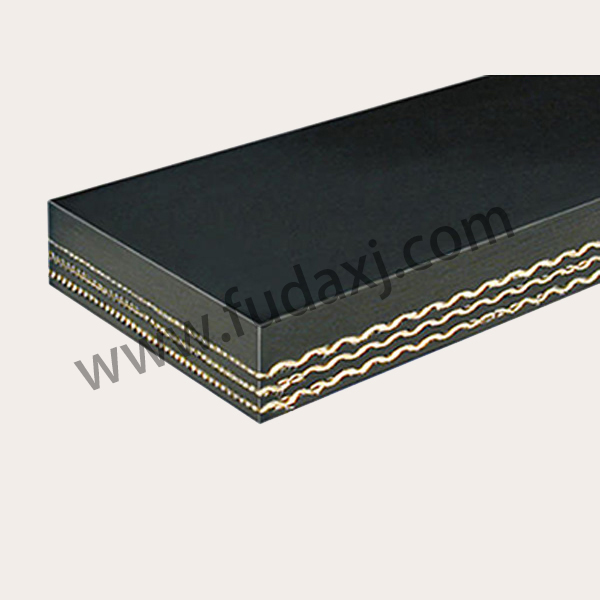
Basic Structure of the System
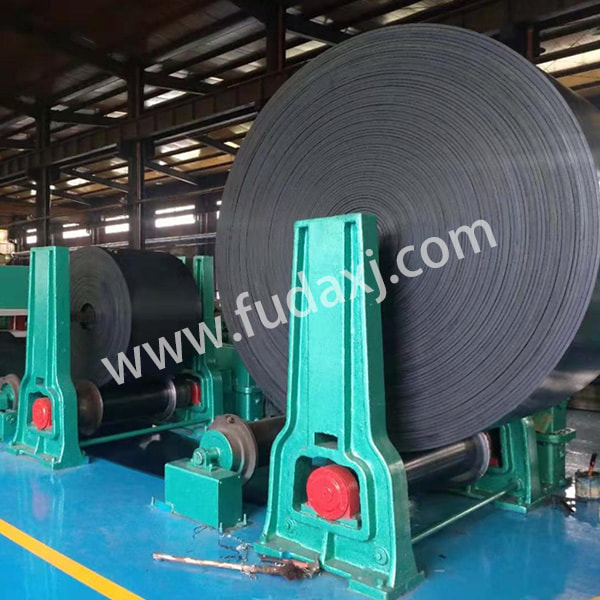
A typical cement conveyor belt consists of a flexible carcass made from multiple fabric plies or steel cords covered with rubber compounds on both sides. The top cover faces the material and resists abrasion from sharp particles. The bottom cover contacts the supporting rollers and idlers. Edge profiles and side walls appear on some versions to keep fine cement powder from spilling during inclined runs.
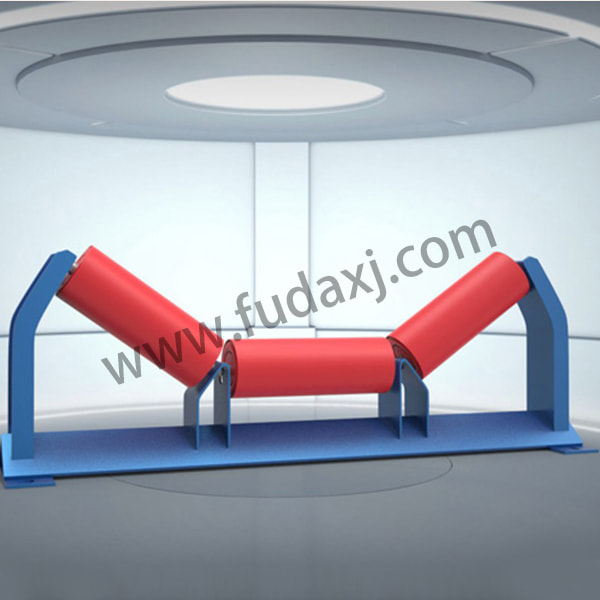
The belt joins into an endless loop through mechanical fasteners or vulcanized splices. Drive pulleys at one end provide the pulling force while tail pulleys and take-up units maintain proper tension. Supporting idlers spaced along the frame reduce friction and guide the belt in a stable path. This arrangement allows the belt to travel horizontally, on gentle inclines, or through short curves as plant layouts require.
Common Plant Applications
Cement conveyor belt units appear at several points inside a cement facility. They carry raw limestone and clay from crushers to storage halls. Later stages use the same style of belt to move preheater feed and hot clinker toward the grinding mills. Finished cement travels on covered belts from the mill to silos or packing stations.
Quarry operations often install longer outdoor runs of cement conveyor belt to bring stone from the extraction area into the plant. Transfer points between belts use sealed chutes so dust stays contained during the hand-off. Some lines include weighing sections built into the belt frame that measure the flow rate without interrupting movement.
Material Handling Characteristics
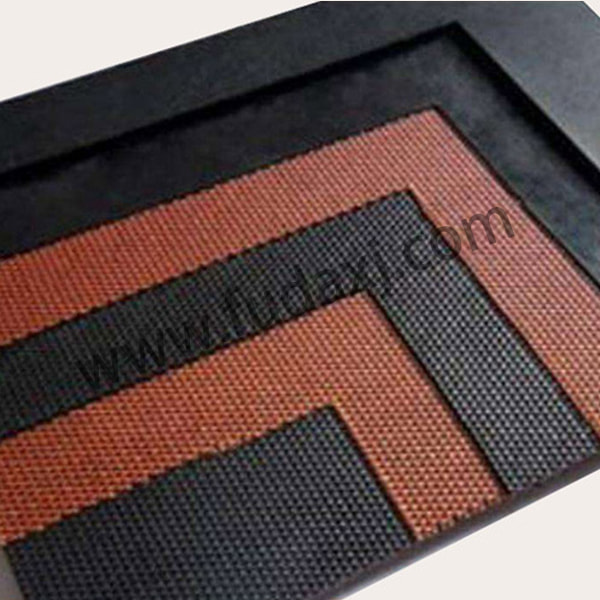
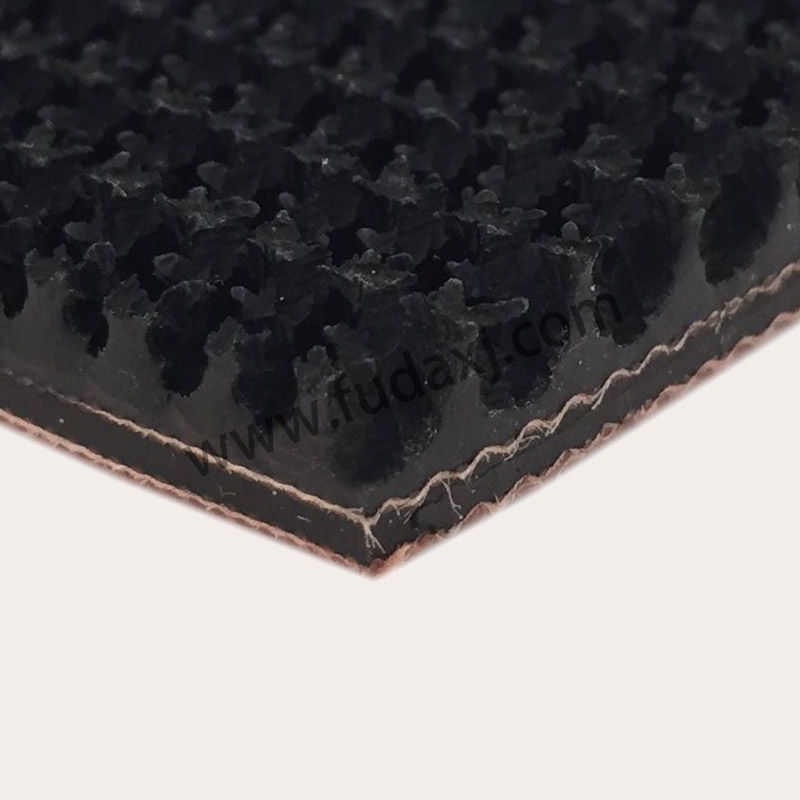
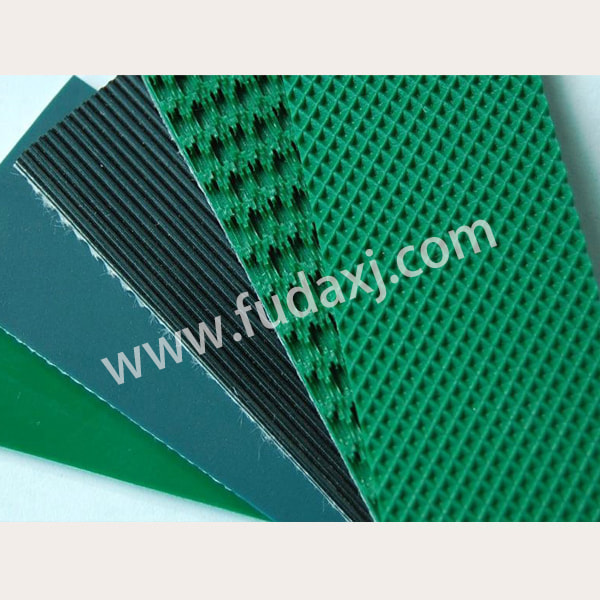
The surface of a cement conveyor belt is formulated to handle both coarse rock and fine powder. The rubber cover grips the material enough to prevent excessive rollback on slopes yet releases cleanly at the discharge end. Cleats or chevron patterns on the top cover improve traction when the belt climbs steeper angles.
Because cement particles are abrasive, the cover thickness and compound hardness are selected to match expected wear rates. The carcass strength determines how much tension the belt can carry without stretching beyond practical limits. These design choices keep the belt running at consistent speeds under normal plant loads.
Size and Configuration Options
Cement conveyor belt widths commonly range from narrow belts for lower tonnage lines to wider belts that move higher volumes. Belt thickness varies with the number of fabric plies or the diameter of steel cords inside the carcass. Incline angles stay within the range that the surface pattern and material characteristics can handle without slippage.
Some installations use covered galleries that protect the belt and material from weather. Others run open frames where space or cost favors simpler structures. Transfer towers connect multiple belts into longer transport paths that cross plant roads or elevation changes. Modular frames allow sections to be added or rearranged when plant layouts change.
Practical Points for Daily Use
Selecting a cement conveyor belt involves matching width, strength, and cover type to the material size and expected tonnage. Plant teams that move large volumes of abrasive rock prefer thicker covers and stronger carcasses. Lines that handle only finished cement can use lighter constructions that still provide reliable sealing against dust.
The belt works with standard rollers, pulleys, and drive units already common in bulk handling. No special interfaces are required beyond proper chute design at loading and discharge points. Visual inspection of the cover and edges during routine walk-arounds helps crews notice wear patterns early.
In regular plant operations a cement conveyor belt supports continuous material flow through a straightforward combination of reinforced carcass and durable covers. The design fits the steady demands of cement production by offering consistent transport of bulk solids without complex intermediate steps.
 Tel:0086-576-83070118
 Fax: 0086-576-83019528
 fudaxj@163.com
 Hongshan industrial Zone,Hongchou, Tiantai,zhejiang,317210,China