 Working hours:Mon - Sat 8.00 - 18.00
  Call Us:0086-576-83070118
 English
 简体中文
简体中文 Español
 عرب
عرب
 English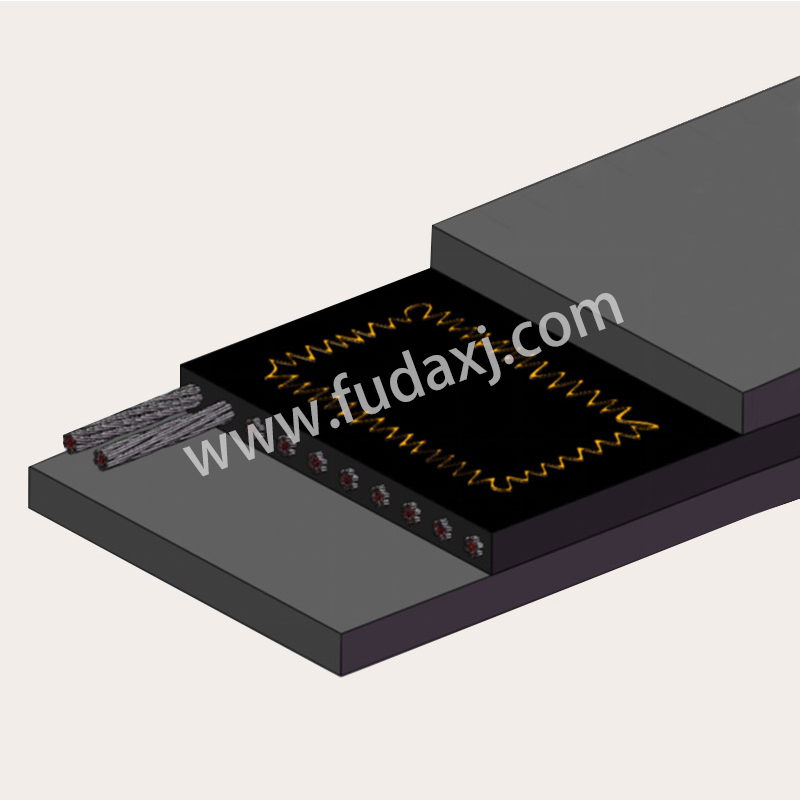
How a Rubber Conveyor Belt Is Actually Built
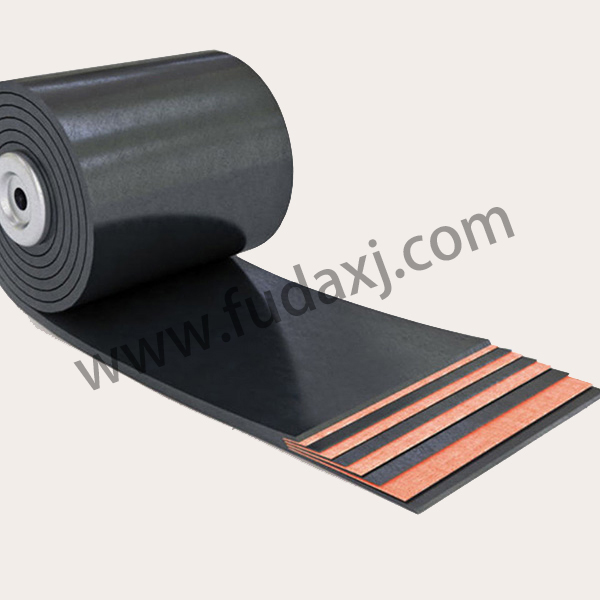
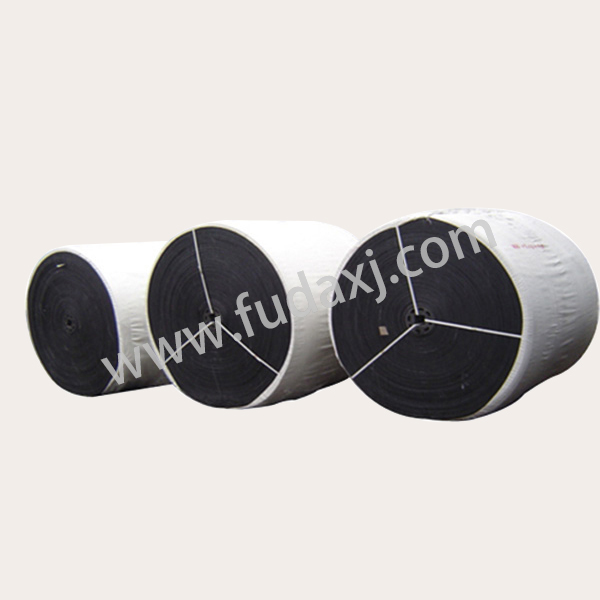
A rubber conveyor belt is not just a flat strip of rubber rolled out and cut to length. It is a layered structure put together to handle tension, weight, and continuous movement shift after shift.
The core is usually made up of fabric plies — polyester, nylon, or a combination of both — that carry the tensile load and keep the belt from stretching out under pressure. Wrapped around that core are rubber covers on the top and bottom. The top cover takes the brunt of contact with whatever is being transported, so it tends to be thicker and compounded for whatever the application throws at it — abrasion, heat, oil, or chemical exposure. The bottom cover handles the wear from idlers and return rollers running underneath.
When the job involves long distances or very heavy loads, steel cord replaces fabric plies as the reinforcing layer. Breaking strength goes up, and the belt stays relatively slim despite carrying considerably more.
Industries That Put Rubber Conveyor Belts to Work
These belts turn up across a wide range of industries, and the specifications tend to look quite different depending on what the belt is actually being asked to do.
Mining and quarrying rank among the heaviest users. Sharp, abrasive materials — ore, gravel, crushed stone — travel long distances across steep inclines, and the rubber compounds used here are chosen specifically to handle that kind of punishment day in and day out.
Agriculture and food processing bring different requirements. Belts here need to meet hygiene standards while handling grain, produce, or packaged goods moving along production lines. Food-grade rubber compounds and smoother surfaces are the norm, partly because cleaning between runs is just part of the routine.
Construction and cement production put belts in contact with high temperatures and alkaline materials regularly. Heat-resistant and chemical-resistant compounds get called for here as a straightforward necessity rather than an upgrade.
Logistics and warehousing use lighter rubber conveyor belts for sorting, parcel handling, and distribution work. The priorities in these settings are different — consistent speed, quieter operation, and handling packaged goods without causing damage along the way.
What Goes Into Picking the Right Belt
Getting the belt selection right comes down to matching the specification to actual site conditions. Grabbing whatever happens to be available tends to cause problems down the line.
Load weight and material type are usually the starting point. Carrying light cardboard boxes is a fundamentally different job from hauling sharp rock fragments, and the belt construction needs to reflect that gap.
Belt width and length follow from throughput requirements and travel distance. More volume calls for wider belts, and longer runs often push the choice toward steel cord construction to keep tension under control.
Operating temperature matters more than people sometimes expect. Belts running near furnaces or dryers, or inside cold storage facilities, will wear out faster if the rubber compound is not suited to the temperature range involved. Surface cracking tends to show up sooner than expected when this gets overlooked.
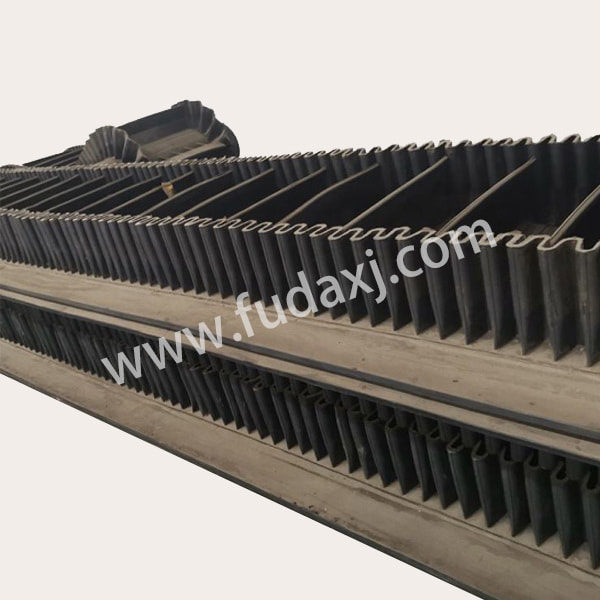
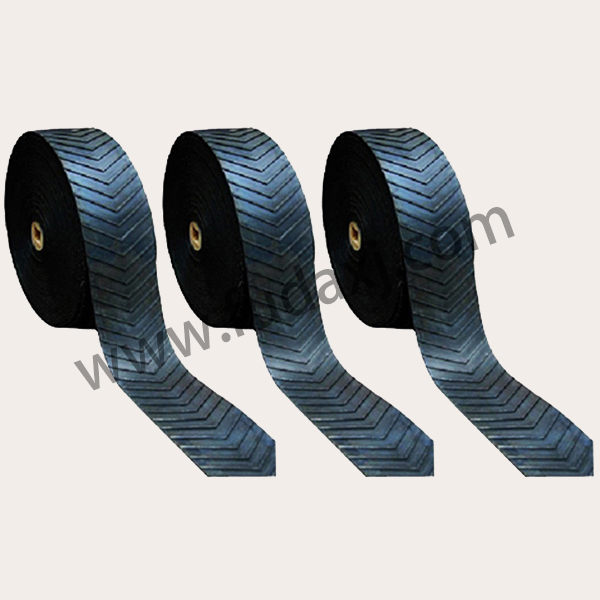
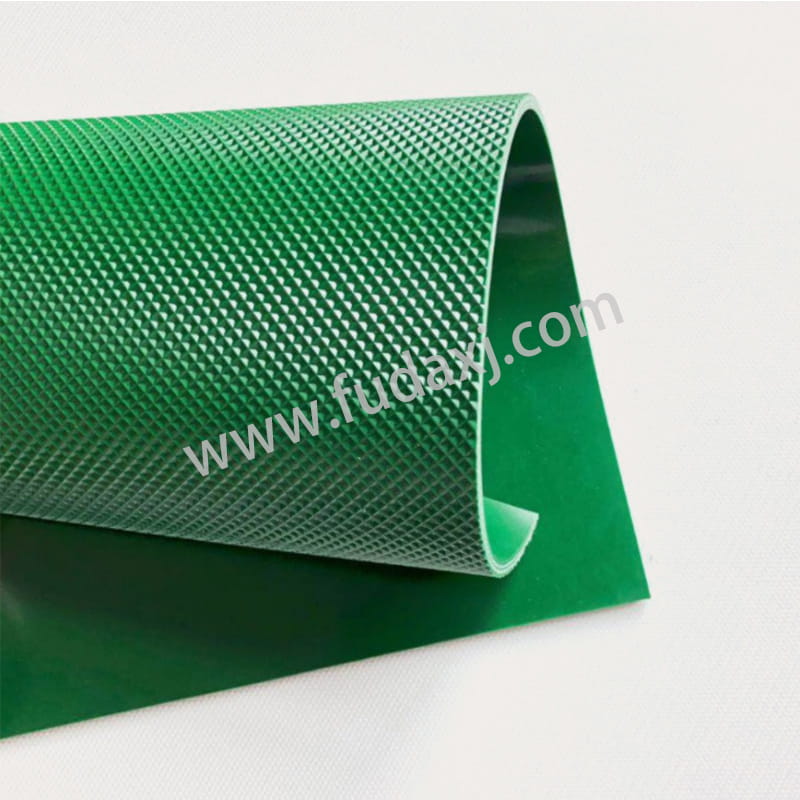
Incline angle shapes both the rubber conveyor belt choice and the surface profile needed. Steeper angles generally call for chevron or patterned surfaces to stop materials from sliding backward during transit rather than moving forward as intended.
Chemical exposure is worth thinking through early. Plants handling oils, fertilisers, solvents, or acidic materials on a regular basis need oil-resistant or chemical-resistant grades specified from the start. Dealing with premature belt failure after the fact costs more in downtime than sorting it out up front.
 Tel:0086-576-83070118
 Fax: 0086-576-83019528
 fudaxj@163.com
 Hongshan industrial Zone,Hongchou, Tiantai,zhejiang,317210,China