 Working hours:Mon - Sat 8.00 - 18.00
  Call Us:0086-576-83070118
 English
 简体中文
简体中文 Español
 عرب
عرب
 English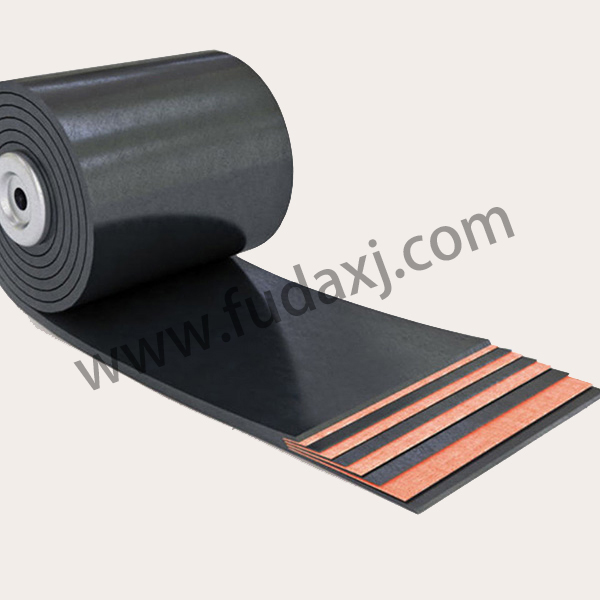
Cement production runs on volume. Raw material comes in by the ton, gets crushed, heated, ground, and shipped back out — and somewhere in nearly every step of that chain, a cement conveyor belt is doing the heavy lifting, literally. It's one of those pieces of equipment that rarely gets much attention until it stops working.
Why Cement Handling Is a Different Challenge
Moving cement, clinker, or raw limestone isn't like moving packaged goods or parts on an assembly line. The material is abrasive, dusty, often hot, and produced in enormous quantities. A conveyor belt built for this environment has to resist constant friction from gritty particles that would chew through a standard rubber surface fairly quickly.
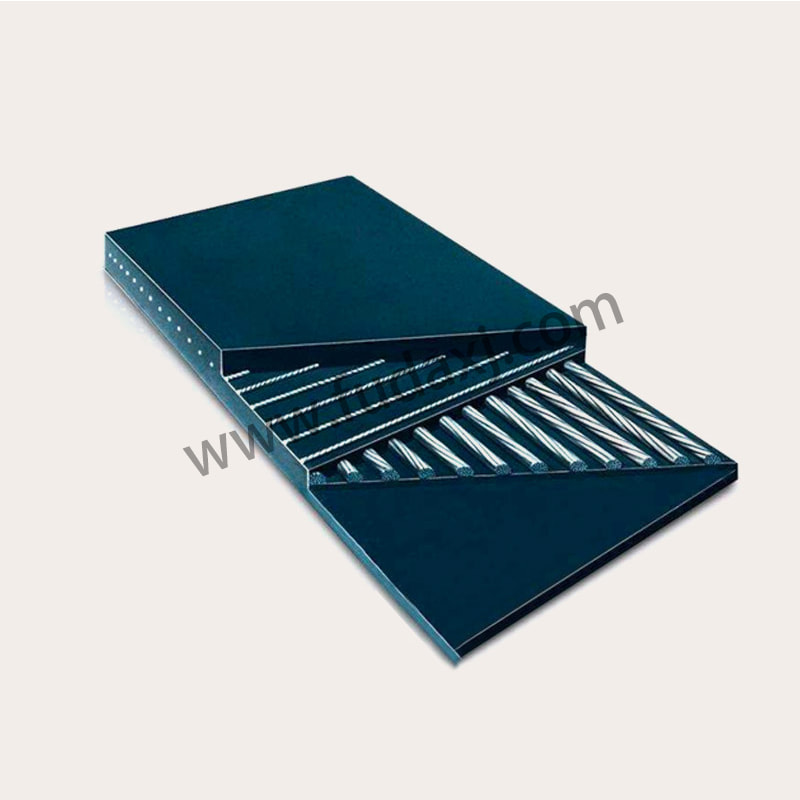
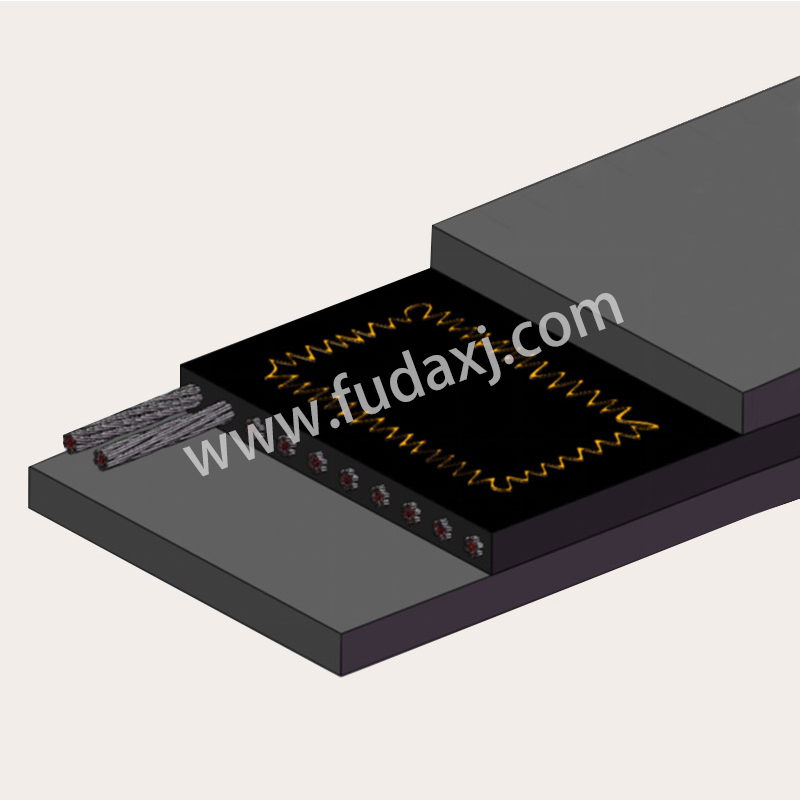
Heat adds another layer. Clinker coming out of a kiln can reach temperatures that would soften or warp belts not specifically designed to handle it. So cement conveyor belts typically rely on heat-resistant rubber compounds, sometimes layered with steel cord or fabric reinforcement to hold shape and strength under stress.
Belt Construction for Abrasive Material
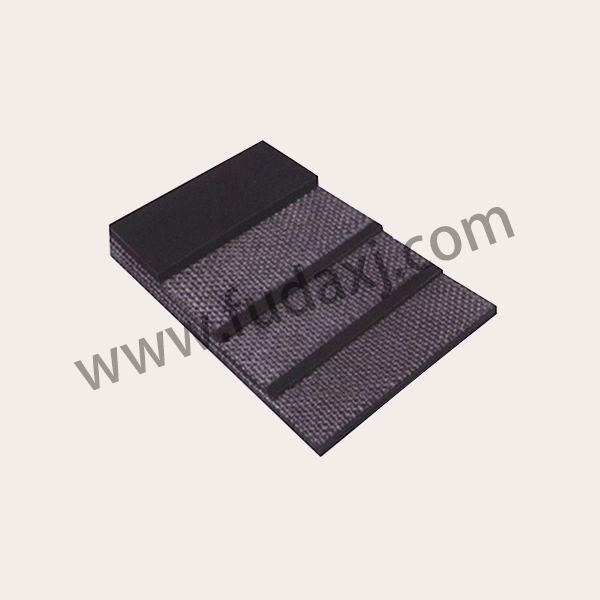
Multi-ply construction shows up often in this application. Layers of fabric or steel cord sandwiched inside the rubber give the belt tensile strength, letting it carry heavier loads across longer distances without stretching out of shape. Steel cord belts in particular handle long-haul conveying well, since they resist elongation better than fabric-only designs.
Cover thickness matters too. A thicker top cover absorbs more abrasive wear from sharp-edged raw material before it reaches the reinforcing layers underneath. Bottom covers, meanwhile, deal with friction against rollers and pulleys, so they're often built with a different rubber compound suited to that kind of contact rather than material impact.
Layout and Incline Considerations
Cement plants aren't always laid out on flat ground, and belts frequently have to move material upward through crushing and grinding stages. Cleated or chevron-patterned belts help here, gripping loose granular material so it doesn't slide back down an incline. Without that texture, steep sections would lose a good portion of their throughput to material sliding back the way it came.
Covered conveyor structures are common as well, keeping dust and debris contained along the belt's path. Enclosed systems also cut down on material loss along transfer points, where product moves from one belt section to another.
Dust and Airborne Particles
Cement dust is fine, persistent, and gets into everything — bearings, pulleys, motor housings. Sealed idler rollers and enclosed drive components help keep dust away from moving parts, since dust intrusion is one of the more common reasons mechanical components wear down faster than expected in cement settings.
Belt cleaning systems, like scrapers positioned at the head pulley, help clear residual material off the belt surface before it loops back around. Left uncleaned, buildup adds weight, throws off tracking, and creates uneven wear patterns over time.
Sourcing for OEM and Bulk Buyers
Distributors and OEM clients sourcing cement conveyor belts typically need to specify more than just belt width. Ply count, cover thickness, rubber compound grade, and heat resistance rating all shape whether a belt performs well in a given plant's conditions. Steel cord versus fabric-reinforced construction is often the first decision point, driven by load capacity and conveying distance.
Custom widths and lengths are common in this category, since cement plant layouts vary considerably from one facility to another. Buyers working across multiple plant sites sometimes look for suppliers capable of producing consistent specifications across different orders, keeping replacement parts interchangeable when a section needs swapping out.
 Tel:0086-576-83070118
 Fax: 0086-576-83019528
 fudaxj@163.com
 Hongshan industrial Zone,Hongchou, Tiantai,zhejiang,317210,China