 Working hours:Mon - Sat 8.00 - 18.00
  Call Us:0086-576-83070118
 English
 简体中文
简体中文 Español
 عرب
عرب
 English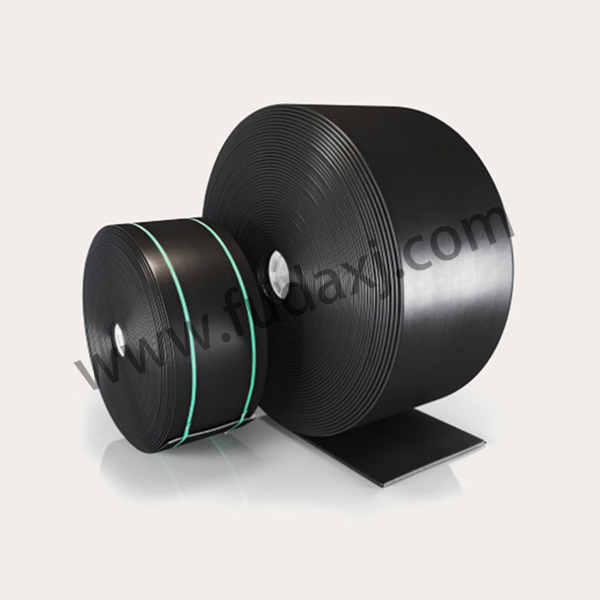
How Rubber Belts Move Different Materials
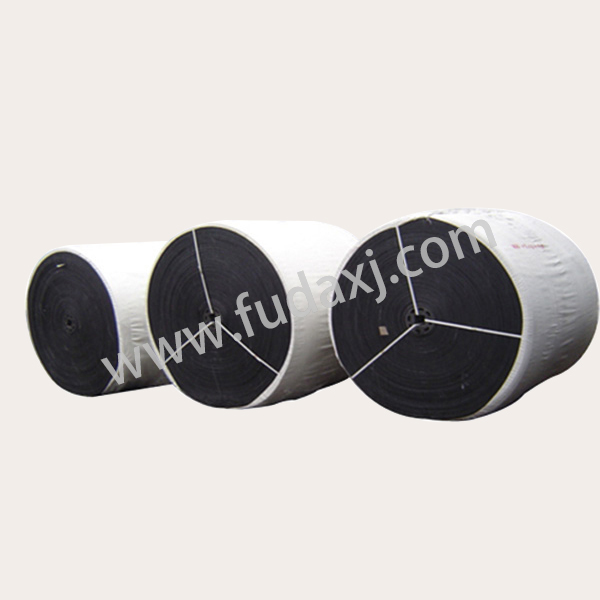
Rubber conveyor belts are used to carry materials along a continuous path between loading and unloading points. They are commonly found in mining, construction material processing, cement production, agriculture, warehousing, and manufacturing.
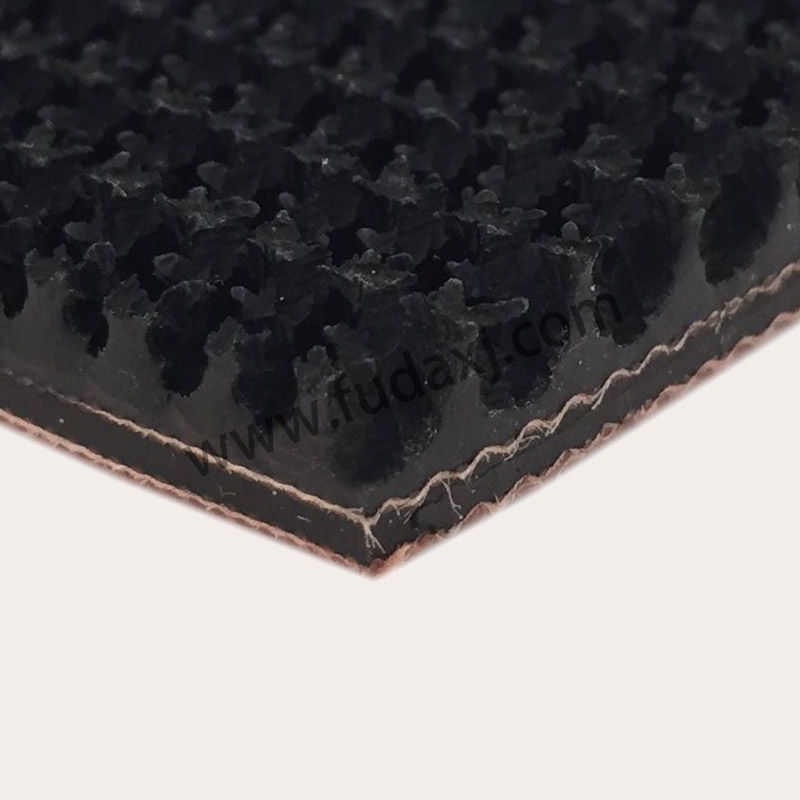
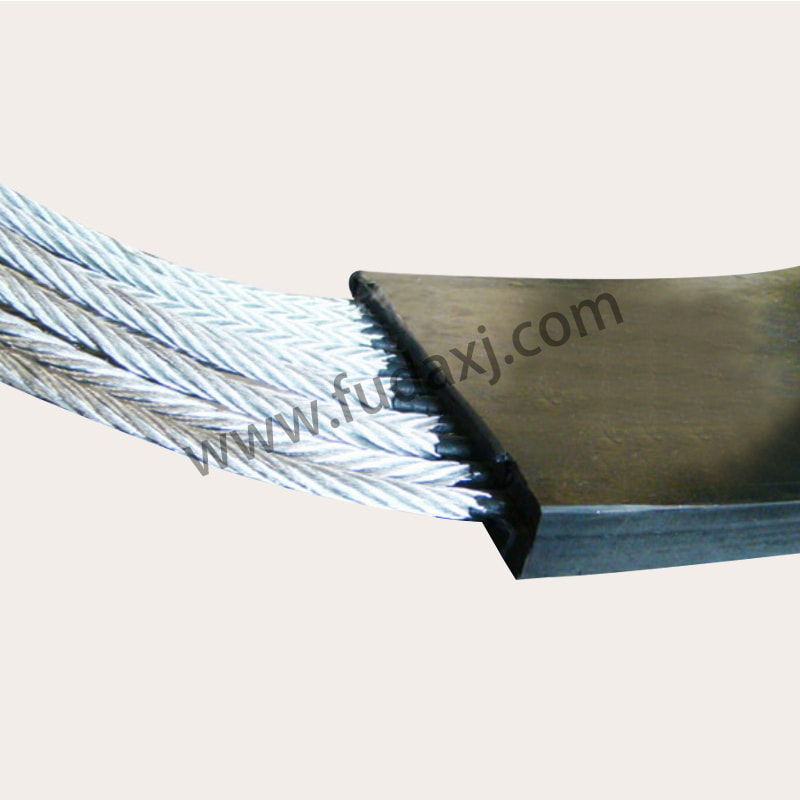
Their construction generally combines rubber covers with reinforcing layers. The rubber provides the working surface, while the reinforcement helps the belt withstand tension during operation. Depending on the intended application, reinforcement may include textile fabrics or steel cords.
Different materials create different demands. Sand and gravel require a belt that can handle repeated loading and contact with abrasive particles. Agricultural products may need a surface suited to lighter bulk materials. Manufacturing lines, meanwhile, can involve individual parts, cartons, or products moving between workstations.
Understanding these differences helps businesses narrow down suitable belt specifications before placing an order.
Belt Structure Depends on Working Conditions
A rubber conveyor belt is not a single standard product. Its structure can vary according to the conveyor layout, material characteristics, and operating requirements.
Fabric-reinforced belts are commonly used in general material handling. Their layered construction supports a range of conveyor lengths and load conditions. Steel cord belts are designed for applications that require high tensile strength, including certain long-distance and heavy-duty conveying systems.
The rubber cover also deserves attention. Materials with sharp edges or rough surfaces can cause greater contact stress than smooth, lightweight products. Belt cover compounds and thicknesses should therefore be considered in relation to the actual material being transported.
Belt width, overall thickness, tensile strength, and the required belt length are other factors that influence product selection. These details should match the conveyor equipment rather than being chosen independently.
What Industries Need from Conveyor Belts
In mining and quarrying, conveyor belts move materials such as crushed rock, ore, and aggregate. These applications can involve heavy loads, abrasive particles, and continuous material flow.
Cement plants use conveyor systems to transfer raw materials and processed products between different areas. Belt selection depends on the material being handled and the layout of the conveying equipment.
Agricultural operations may transport grain, feed, and other bulk products. The material's size, weight, and loading method help determine the appropriate belt construction.
In manufacturing and distribution facilities, conveyor belts can move components, packaged products, and production materials. The belt surface and dimensions need to suit the items being carried, while the overall design must work with the conveyor's rollers, pulleys, and loading arrangements.
These varied applications explain why industrial users often require different belt constructions even when the products share the same basic name.
Choosing Specifications for a Rubber Conveyor Belt
Selecting a Rubber Conveyor Belt starts with the actual conveying task. Buyers should identify the material type, expected load, conveyor length, belt speed, and operating environment.
The loading point is another important consideration. Materials dropped from a significant height may place additional impact stress on the belt. Sharp or abrasive particles can also influence the required cover properties.
Conveyor geometry matters as well. Belt width, pulley diameter, incline, and the presence of curves or transfer points can affect how the belt performs within the system. A belt intended for one conveyor arrangement may not be suitable for another without checking these conditions.
For industrial procurement teams, providing drawings or existing belt specifications can help manufacturers understand the required dimensions and construction. Information about the transported material and working conditions also makes technical discussions more productive.
A Rubber Conveyor Belt should be evaluated as part of the complete material handling system. When belt construction, transported material, and conveyor design are considered together, industrial users can make more informed sourcing decisions and select products suited to their operating requirements.
 Tel:0086-576-83070118
 Fax: 0086-576-83019528
 fudaxj@163.com
 Hongshan industrial Zone,Hongchou, Tiantai,zhejiang,317210,China